
Trace of the Villa — an inspection-heavy mansion mystery for players who think in locked rooms
Trace of the Villa is a slow-burn atmospheric mystery adventure about a lone investigator piecing together a deliberately erased household. Released 28 May, 2026 on Steam by Steadyturtle Co., Ltd., it leans hard on object logic, environmental puzzles, and clue chains that reward careful inspection.

Quick facts
| Title | Trace of the Villa |
|---|---|
| Steam AppID | 3483660 |
| Release date | 28 May, 2026 |
| Developer / Publisher | Steadyturtle Co., Ltd. |
| Genres | Action, Adventure, Indie |
| Notable Steam categories | Single-player; Color Alternatives; Custom Volume Controls; Playable without Timed Input; Subtitle Options; Family Sharing |
| Short premise | Jin searches for a missing sister and follows leads to a remote, decaying mansion that appears deliberately forgotten; restoring power reveals secured systems, hidden compartments, safes and fragments of encrypted documents. |
Who should wishlist this
- Players who enjoy environmental storytelling and slow-burn suspense in a single-player setting.
- People who prefer inspection-heavy puzzles where clues come from objects, systems and the layout of rooms rather than combat or timed reflexes.
- Anyone who likes narrative puzzle design that ties financial records, falsified identities and household traces into a chain of discoveries.
What the game is (and what it isn’t)
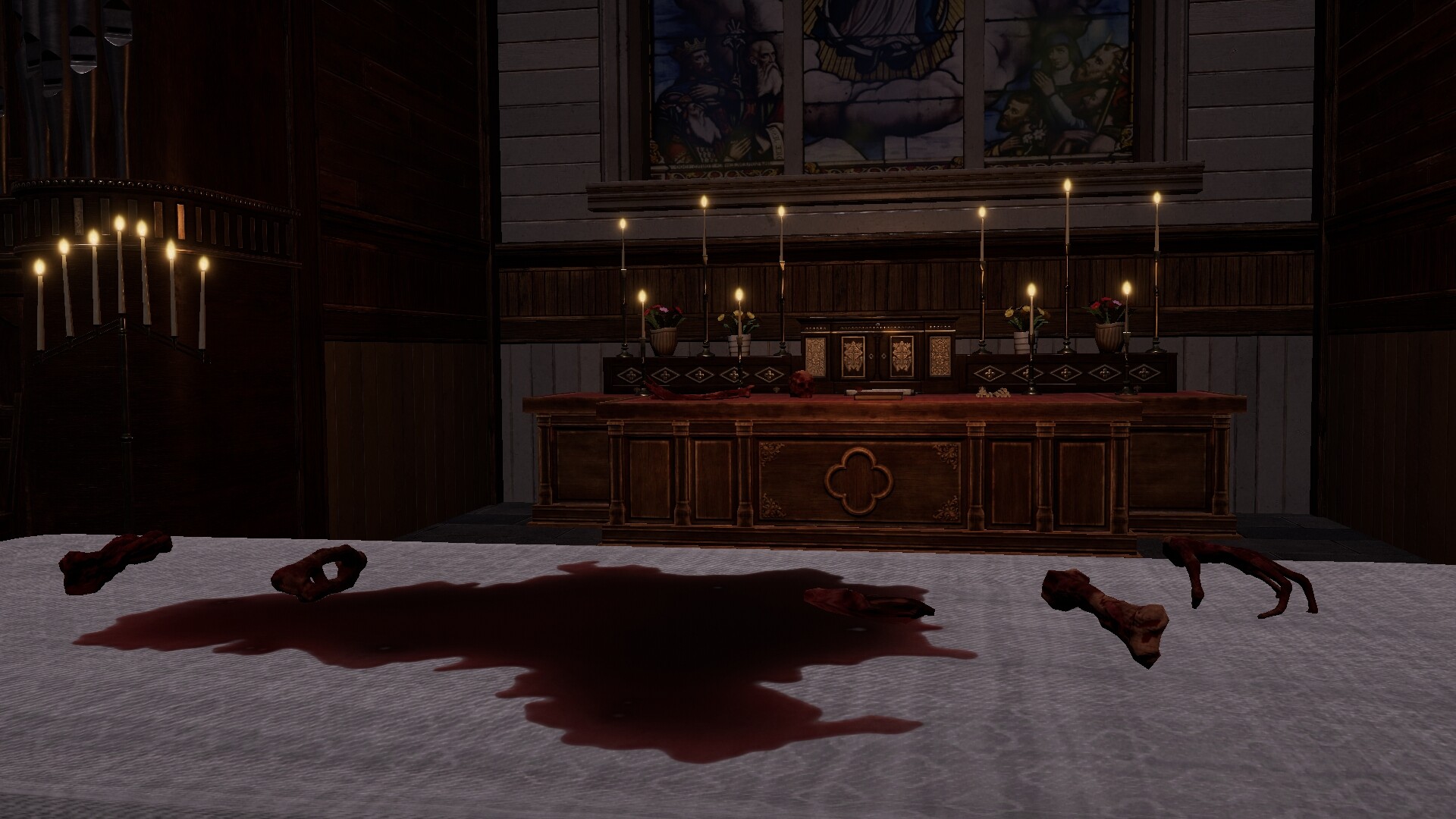
Officially described on Steam as an investigation that starts in a decaying mansion, Trace of the Villa places you in a house that feels “erased” rather than merely abandoned: rooms show mid-routine scenes, personal belongings without names or photographs, and locked doors that conceal secured secrets. The act of restoring power is a central narrative-puzzle beat: once systems come back online, hidden compartments and safes become accessible and reveal fragments of encrypted documents and suspicious transfer records.

When and where
Trace of the Villa launched on Steam on 28 May, 2026. It’s presented as a PC/Steam single-player experience with accessibility options such as subtitle options and custom volume controls, and it’s playable without timed input—information that signals a pace-friendly design for players who prefer careful reading over reflex tests.
Why the theme matters — the locked-room thinking
The mansion premise focuses gameplay around deduction, not action spectacle. The “locked-room” mentality here is literal and methodological: locked doors and secured systems require chains of clues — manifests, transfer records, encrypted fragments — that must be assembled across rooms. That design rewards a player mindset that treats the environment as a ledger: every object, wiring panel or unplugged appliance can be a data point that resolves a later puzzle. For players who relish seeing how a single bead of evidence ripples into a sequence of discoveries, Trace of the Villa is built around that payoff.
How you progress: object logic and environmental reading
The Steam description outlines a progression loop that repeatedly returns to the same conceptual actions:
- Inspect rooms left “mid-routine” for anomalous objects or missing identifiers.
- Restore power or other systems so previously inert devices become interactive.
- Open hidden compartments and safes to retrieve fragments (manifests, encrypted documents, transfer records).
- Chain those fragments into a timeline that explains arrivals and departures masked by falsified identities.
That sequence describes inspection-heavy play: success depends on noticing small inconsistencies and mapping them into a larger pattern rather than finding single standalone puzzles. If you enjoy building clue chains across a map and treating the house itself as a multi-part cipher, that is the core loop here.
Player scenarios — concrete examples of fit
- Scenario A: You like methodical detective work. You’ll enjoy following manifests and encrypted fragments from a utility closet to a study, watching how one unlocked safe changes what else can be examined in the house.
- Scenario B: You prefer atmospheric adventures over timed challenges. The “playable without timed input” category and subtitle options mean you can pace your investigation and keep notes without penalty.
- Scenario C: You want tactile puzzle boxes and mechanical locks. Expect some of that, but placed inside a broader environmental mystery rather than isolated box puzzles—if you want purely mechanical puzzle sequences, compare carefully (see comparison table below).
How Trace of the Villa compares to other mystery/puzzle experiences
Below is a compact editorial comparison on genre, atmosphere, puzzle emphasis and pacing—intended to help readers place Trace of the Villa against nearby titles rather than to rank them.
| Title | Release | Genre / Tone | Puzzle & exploration focus | Pacing |
|---|---|---|---|---|
| Trace of the Villa | 28 May, 2026 | Action / Adventure / Indie — mansion mystery, psychological investigation | Inspection-heavy environmental puzzles, clue chains, restoring systems and opening safes | Slow-burn, narrative-led |
| The Room | 28 Jul, 2014 | Adventure / Indie — focused, tactile puzzle-box atmosphere | Tightly designed mechanical puzzle boxes and tactile object logic | Measured, puzzle-focused |
| The Room Two | 5 Jul, 2016 | Adventure / Indie — expanded locales with similar puzzle-box design | Extended tactile puzzles and atmospheric exploration | Measured, exploratory |
| Escape Simulator | 19 Oct, 2021 | Adventure / Casual / Indie — interactive escape rooms, solo or co-op
Steam pageView Trace of the Villa on Steam YouTube discoveryFor trailer and gameplay discovery, use YouTube search rather than relying on unverified embeds: Find Trace of the Villa trailer and gameplay searches on YouTube. CommentsMore posts |
Leave a Reply