
Trace of the Villa — How Rooms Become Puzzles and Stories
Trace of the Villa (Steadyturtle Co., Ltd., released 28 May, 2026) stages a slow-burning mansion mystery where each room works like a mini-ecosystem of clues, objects, and narrative beats. Read as both puzzle space and story container, the estate invites players to parse manifests, restore systems, and assemble a personal timeline that drives Jin’s search for his missing sister.


| Fact | Trace of the Villa |
|---|---|
| Title | Trace of the Villa |
| Steam AppID | 3483660 |
| Developer / Publisher | Steadyturtle Co., Ltd. |
| Release Date | 28 May, 2026 |
| Genres | Action, Adventure, Indie |
| Categories (Steam) | Single-player; Color Alternatives; Custom Volume Controls; Playable without Timed Input; Subtitle Options; Family Sharing |
| Premise (short) | Jin recovers manifests and hints in a remote, decaying mansion suggesting his missing sister may still be alive. |
Who this is for
If you prefer atmospheric mystery adventures that prize environmental storytelling over combat spectacle, Trace of the Villa is aimed at players who like methodical clue reading and narrative puzzle design. The Steam categories (Single-player, playable without timed input, subtitles available) point to a paced, thoughtful experience for PC players who want to unpack story through objects and systems rather than reflex-based challenges.
What the game is
Officially described on Steam, Trace of the Villa follows Jin as he investigates a decaying, off-grid mansion where traces of past occupancy look “erased”: rooms furnished as if people vanished mid-routine, locked doors, safes, and encrypted documents. Restoring power and reactivating systems reveals hidden compartments and fragments of a concealed operation—financial trails, falsified identities, and movements masked behind fals—setting up an investigative arc in which each solved puzzle reveals another layer of the mansion’s purpose.
When and where to find it
Trace of the Villa launched on Steam on 28 May, 2026. The Steam page lists Steadyturtle Co., Ltd. as both developer and publisher and presents the game under Adventure/Indie/Action tags, with accessibility options such as subtitle support and color alternatives.
Why the mansion setting matters
Rooms in this title are more than backdrops: they are compact narrative machines. Furnishings, interrupted routines, and secured systems function as both puzzle inputs and story evidence. That dual function—the literal object you manipulate also serving as a character clue or timeline fragment—gives the mansion a layered logic that rewards close inspection and patient synthesis.
How clue reading, object logic, and story puzzles shape progression
From the Steam description, the game emphasizes recovered manifests, encrypted documents, and system restoration. Expect progression to hinge on three interacting practices:
- Clue reading: documents and environmental cues point to next objectives and reveal motive or timeline details.
- Object logic: physical items, safes, and secured systems behave like puzzle primitives—combine, restore, and unlock to trigger narrative beats.
- Story puzzles: solving a mechanical or inventory puzzle typically uncovers a piece of the estate’s operation, weaving gameplay into Jin’s investigation of his sister’s fate.
Rooms as puzzle spaces and story containers
Think of each room as a short, self-contained chapter: it presents a local mystery, a handful of interactable objects, and a narrative payoff that links to a larger pattern. The effect is cumulative—individual rooms supply micro-solutions and micro-revelations that, when assembled, form a fuller picture of what the mansion was used for and why identities there appear removed.
Player scenarios: who will get the most from Trace of the Villa
- The methodical detective: You’ll appreciate carefully cataloguing documents and returning to previously locked areas once new systems come online. The game supports non-timed pacing and subtitles.
- The environmental reader: If you enjoy Inferring character and history from objects (cluttered desks, halted meals, business ledgers), this mansion-style investigation rewards that attention.
- The puzzle-first explorer: Players who like combining object logic with narrative payoff—opening safes to get both a key and a ledger that reframes a previous clue—will find the structure satisfying.
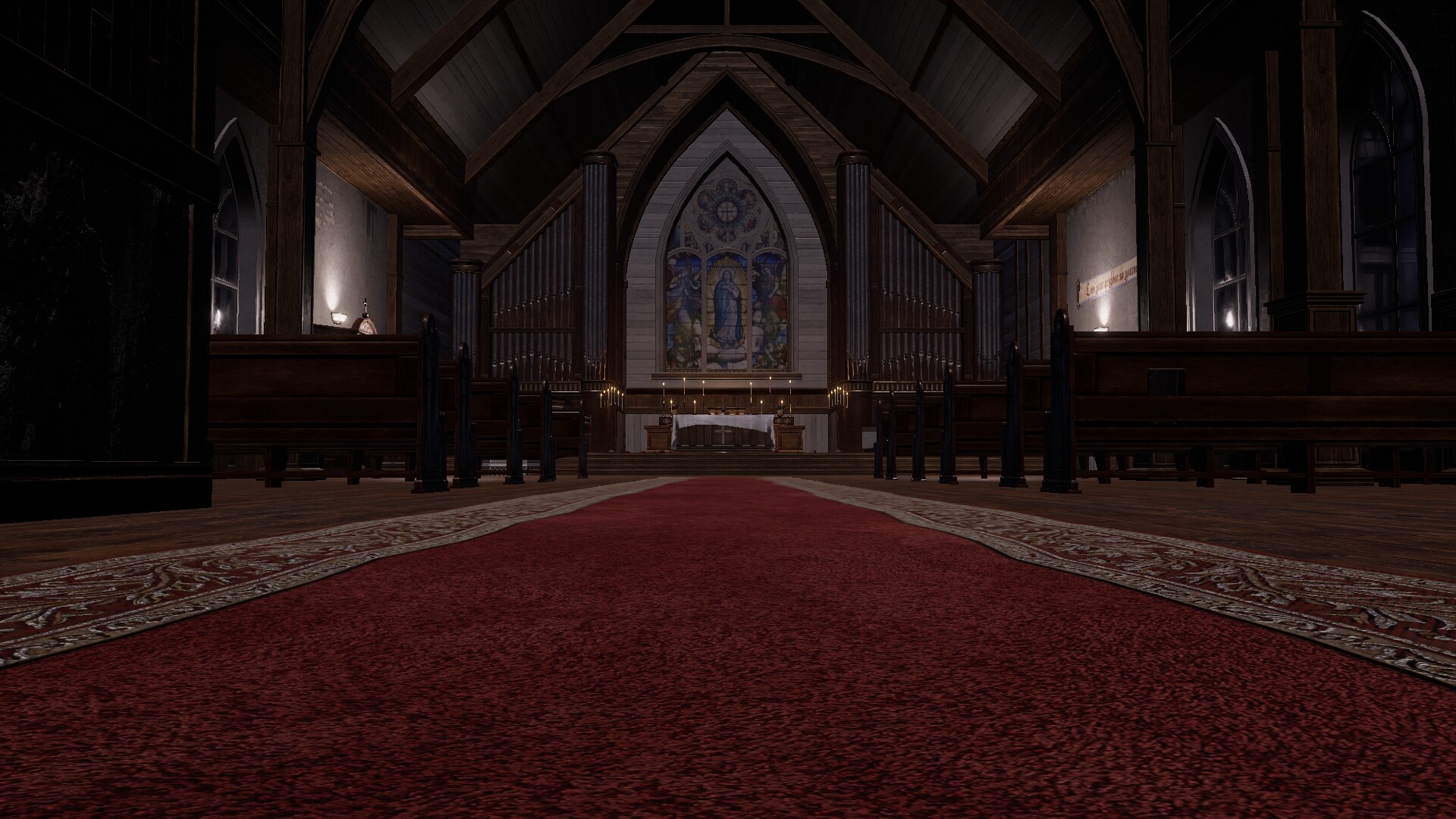
- Audio-visual context seekers: The Steam assets and screenshots emphasize atmospheric interiors and restored systems—players who value tone and slow-burn suspense over jump scares or fast action will be better matched to this title.
How it compares — quick editorial table
| Game | Puzzle focus | Atmosphere / tone | Exploration style | Player fit |
|---|---|---|---|---|
| Trace of the Villa | Clue reading, object logic, story-linked puzzles (manifests, safes, systems) | Mansion mystery, slow-burn suspense, investigative | Room-by-room investigation with system restoration | Players who want narrative payoff from environmental puzzles |
| The Room (series) | Mechanical, tactile object puzzles centered on a single room or device | Contained, mysterious, tactile | Isolated, dense puzzle objects rather than sprawling estates | Players who love precise, device-based puzzle solving |
| Escape Simulator | Highly interactive escape-room mechanics, physics and object manipulation | Bright, playful to tense depending on room | Modular rooms, supports co-op and community-made content | Players who enjoy hands-on interaction and social puzzle-solving |
View Trace of the Villa on Steam
YouTube discoveryFor trailer and gameplay discovery, use YouTube search rather than relying on unverified embeds: Find Trace of the Villa trailer and gameplay searches on YouTube. CommentsMore posts |
Leave a Reply