
Who should consider Trace of the Villa after enjoying atmospheric mansion mysteries?
Trace of the Villa is a slow-burn, clue-driven investigation that drops you into a remote, decaying mansion where Jin searches for his missing sister. Released on 28 May, 2026 by Steadyturtle Co., Ltd., it leans on environmental storytelling, locked-room puzzles and recovered manifests to move its narrative forward.

Quick facts
| Title | Trace of the Villa |
|---|---|
| Release date | 28 May, 2026 |
| Developer | Steadyturtle Co., Ltd. |
| Publisher | Steadyturtle Co., Ltd. |
| Genres | Action, Adventure, Indie |
| Key Steam categories | Single-player; Color Alternatives; Custom Volume Controls; Playable without Timed Input; Subtitle Options; Family Sharing |
| Steam page | Trace of the Villa on Steam |
What the game is
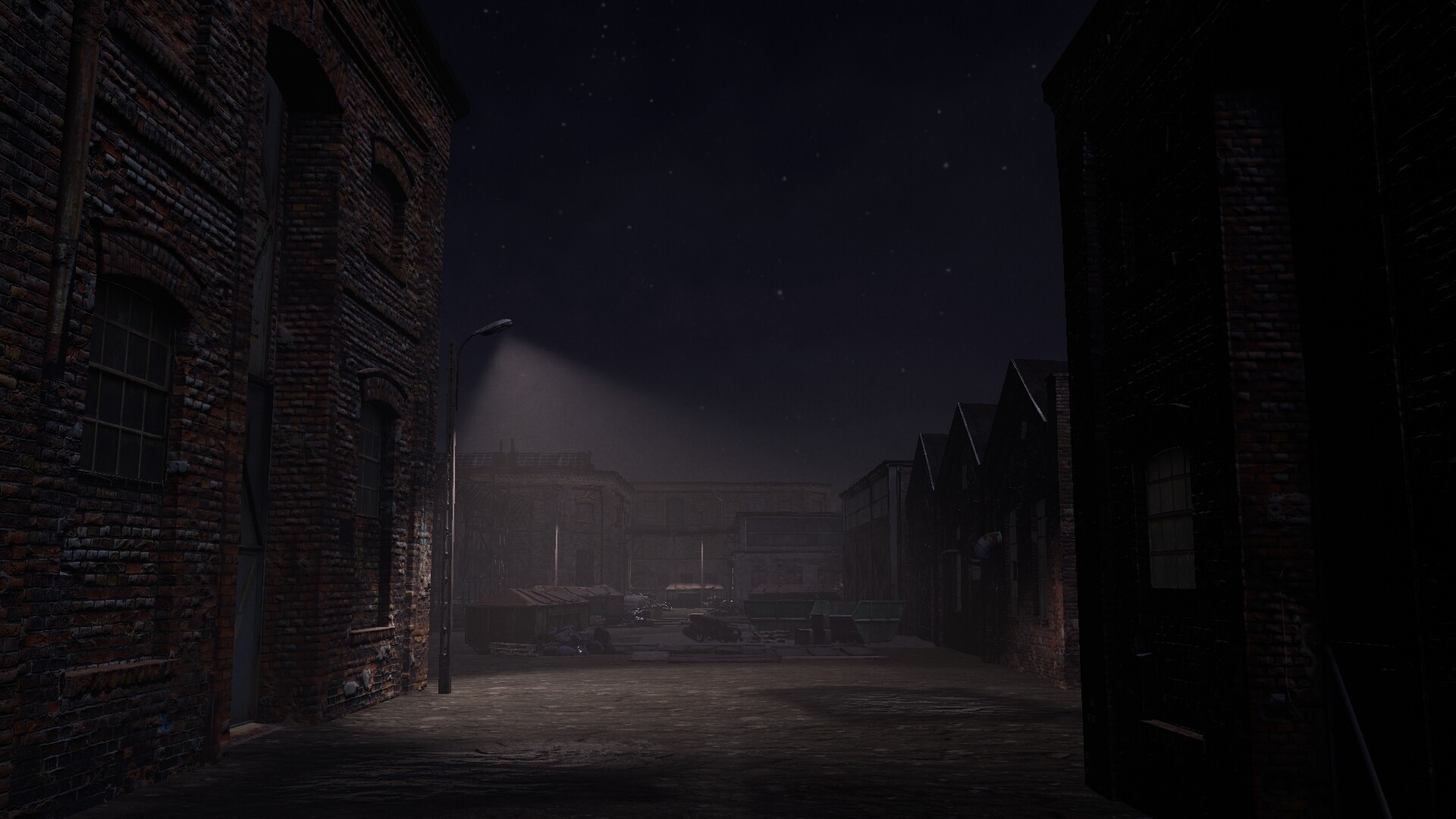
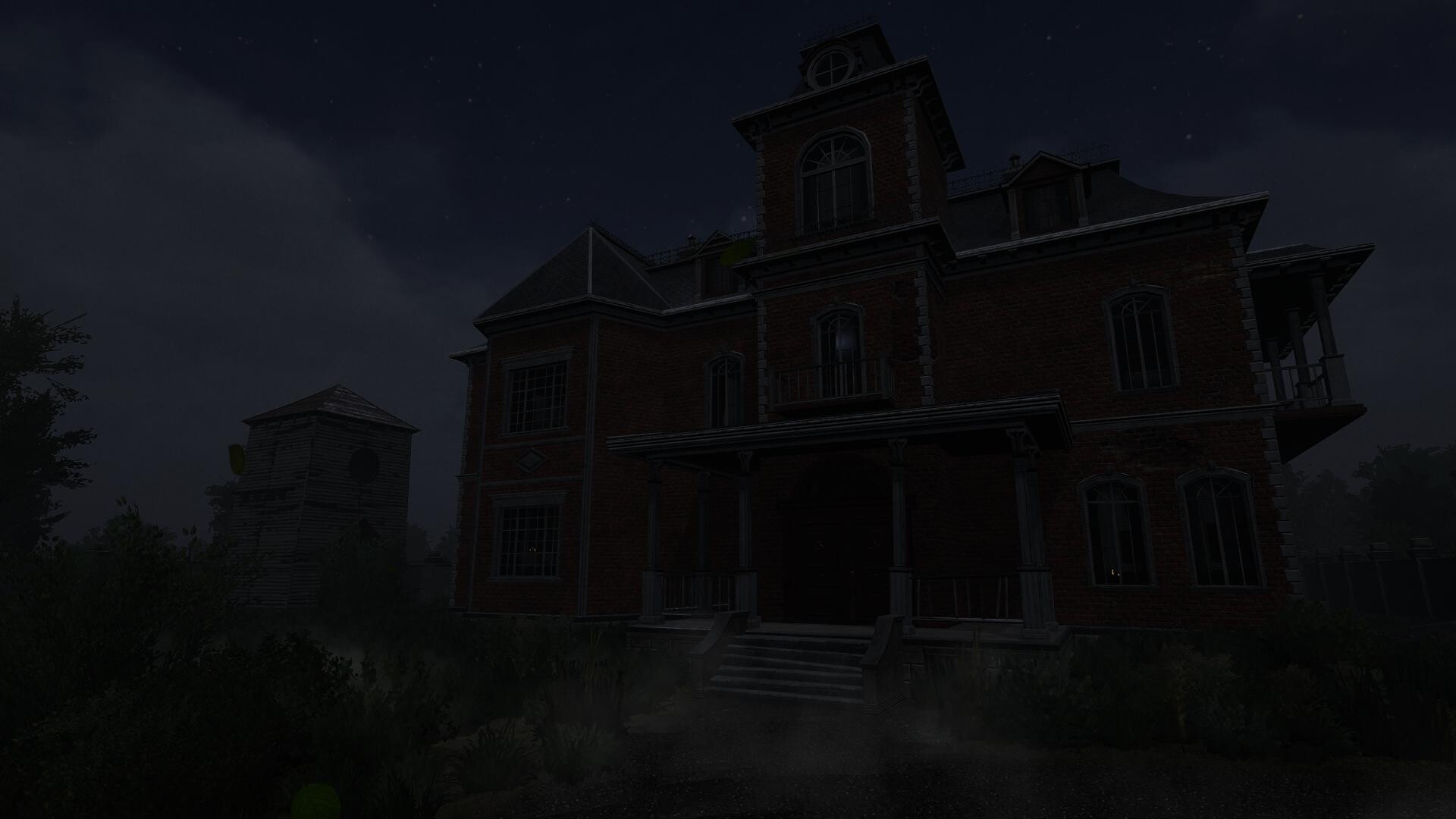
The official premise places you as Jin, who after years of fruitless searching follows a lead to an off-grid, deliberately forgotten mansion. Inside, rooms appear left mid-routine, identities seem erased, and restoring power begins to reveal hidden compartments, encrypted documents and financial traces. The game’s written description emphasizes investigation through environmental clues: unlocking safes, restoring systems and assembling evidence that suggests the mansion was part of a larger, secret operation.
Who it’s for
Trace of the Villa fits players who prioritize atmosphere and methodical investigation over twitch action. If you enjoy slow-burn suspense, environmental storytelling and unpacking a mystery by piecing together documents, systems and locked rooms, this is a title to consider. The Steam categories (Single-player; Playable without Timed Input; Subtitle Options) also indicate accessibility for players who prefer thoughtful pacing and text-supported clues.
When and where
Trace of the Villa launched on 28 May, 2026 and is available on Steam for PC. The Steam store page lists the developer and publisher as Steadyturtle Co., Ltd., and provides the official assets and screenshots used above.
Why the mansion theme matters here
Mansion mysteries rely on layered spaces: rooms as character, objects as testimony. Trace of the Villa uses that architecture literally — a sealed property with erased identities and locked systems — so the setting doubles as the engine of investigation. For players who like story and atmosphere to arise from the environment itself rather than expositional cutscenes, that design intent is significant: power restoration, safes and encrypted fragments are the means by which the house tells its story.
How you progress
According to the official description, progression comes from exploration and recovery: restore power, re-enable locked systems, open hidden compartments and decode documents. These revealed elements form the trail Jin follows. The emphasis is on clue-driven exploration — following manifests and financial traces to build a timeline — rather than combat or fast-time reactions, reinforced by Steam categories such as “Playable without Timed Input.” Expect pacing that rewards patience and piecing disparate clues together.
Which players should wishlist it — concrete scenarios
- You love atmospheric, first‑person mansion mysteries: If you play for environmental storytelling and the slow unspooling of secrets room-by-room, Trace of the Villa’s premise — erased identities, power restoration and locked safes — will likely appeal.
- You enjoy puzzle-driven narrative: Players who prefer puzzles that unlock narrative fragments (documents, logs, systems) over combat will find the game’s investigative loop familiar and satisfying.
- You prefer no-timed challenges: The Steam tag “Playable without Timed Input” signals a focus on exploration and thinking time rather than reflex tests.
- You want a story with personal stakes: The protagonist’s search for a missing sister frames the investigation with personal motivation, which can make discoveries feel more consequential for players who value character-driven mysteries.
How Trace of the Villa compares to nearby mystery/puzzle titles
The table below compares Trace of the Villa to several atmospheric mystery and puzzle-focused games so you can judge fit by tone, puzzle emphasis and pacing.
| Title | Release year | Tone / atmosphere | Puzzle focus | Exploration style | Pacing / player fit |
|---|---|---|---|---|---|
| Trace of the Villa | 2026 | Decaying mansion, erased identities, investigative unease | Document recovery, safes, systems restoration (clue-driven) | Room-by-room, environmental storytelling | Slow-burn; suits methodical investigators |
| Amnesia: The Dark Descent | 2010 | Immersive, dread-filled horror | Environmental puzzles blended with survival/hide mechanics | First-person exploration with emphasis on atmosphere | High-tension; fits players who tolerate sustained dread |
| SOMA | 2015 | Claustrophobic sci-fi horror, existential tone | Puzzles tied to narrative and setting; survival elements | Exploration of confined, system-heavy spaces | Thoughtful but tense; suits players who like philosophical horror |
| Layers of Fear (2016) | 2016 | Psychological, Victorian mansion with shifting rooms | Environmental puzzles that reinforce narrative instability | Dynamic, changing mansion that emphasizes story over challenge | Atmosphere-first; good for players who value narrative mood |
| The Room | 2014 | Mystery-box, tactile puzzle focus | Mechanical puzzle-boxes and intricate object manipulation | Localized, object-centric exploration | Puzzle-focused; ideal for players who enjoy compact, clever puzzles |
| Rusty Lake Hotel | 2016 | Surreal, eerie puzzle-adventure with recurring motifs | Point-and-click puzzles tied to short scenarios | Room-based, episodic exploration | Concise and quirky; fits players who like dark puzzles with personality |
Leave a Reply