
Trace of the Villa — why environmental dread and silence beat cheap shocks
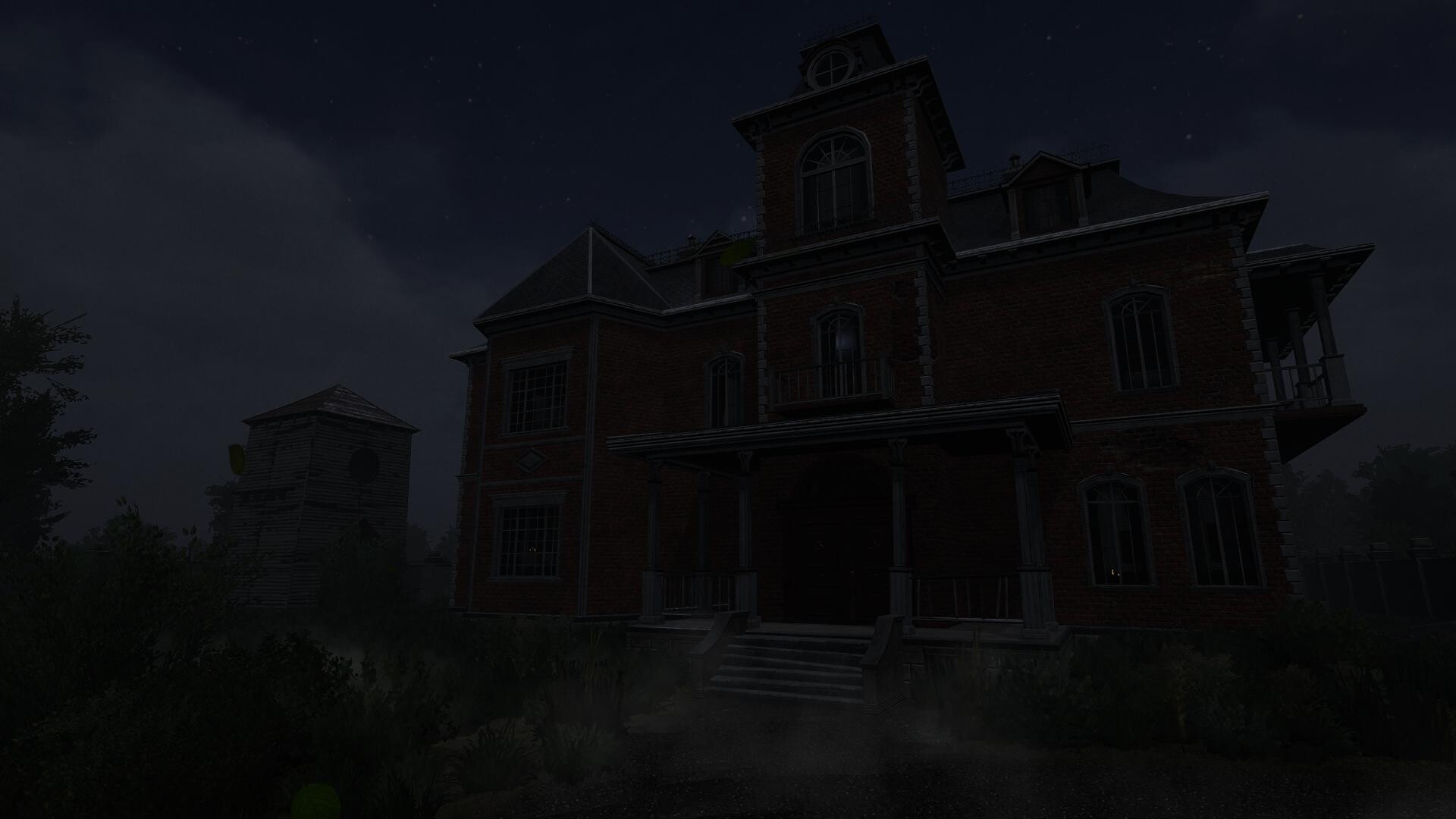
Trace of the Villa places a solitary investigation inside a deliberately forgotten mansion, using empty rooms and the weight of silence to keep tension taut rather than relying on jump scares. Jin’s search for his missing sister unfolds through restored systems, locked compartments and fragmented manifests — an experience built around unsettling room design and slow, clue-driven dread.

Quick facts
| Title | Trace of the Villa |
|---|---|
| Steam appid | 3483660 |
| Release date | 28 May, 2026 |
| Developer / Publisher | Steadyturtle Co., Ltd. |
| Genres | Action, Adventure, Indie |
| Categories | Single-player; Color Alternatives; Custom Volume Controls; Playable without Timed Input; Subtitle Options; Family Sharing |
| Short premise | Jin searches for his missing sister at a remote, decaying mansion where manifests and hints suggest she may still be alive. |
Who should wishlist Trace of the Villa?
- Players who prefer slow-burn, atmosphere-first horror: if quiet tension and environmental storytelling keep you invested, this is aimed at you.
- Fans of mansion mysteries and investigative pacing: the game centers on reading physical clues, restoring power and unlocking sealed spaces to reveal narrative fragments.
- Adventure players who like puzzles tied to exploration and inventory-less discovery rather than twitch reactions.
What the game is (and isn’t)
Trace of the Villa is an atmospheric mystery adventure built around a single-player psychological investigation. Official Steam materials describe Jin arriving at a decaying, off-grid mansion where rooms appear “frozen” mid-routine and many personal identifiers have been removed; restoring power and recovering manifests trigger the next layers of the story. The emphasis is on exploration, environmental clues, locked doors, safes and encrypted fragments rather than combat-heavy setpieces.
When and where
Trace of the Villa released on Steam on 28 May, 2026 and is available on PC through its Steam store page. Developer and publisher credit: Steadyturtle Co., Ltd.
Why environmental dread and silence matter more than shock claims
Environmental dread functions as a conversation between the player and space: an empty chair, a closed diary, a corridor without footprints all imply events that the protagonist must reconstruct. Trace of the Villa uses that silence as a mechanic — restoring estate power reactivates systems and reveals physically embedded narrative clues. That design rewards patient players; it also sustains tension across longer sequences because the unknown is cumulative rather than punctuated by one-off fright beats.

How you progress — reading the house
The official description outlines concrete progression beats: Jin restores power to the estate, secured systems come back online, hidden compartments unlock, and safes yield fragments of encrypted documents and suspicious transfer records. That sequence makes the act of progress literal and tactile: puzzles and exploration are tied to bringing parts of the mansion back into an examinable state, then assembling timeline fragments from physical evidence and manifests. Expect a loop of investigation → restore/access → reveal → interpret.
Player scenarios — who will enjoy it, and who might not
- Bring it to late-night investigative sessions: If you enjoy playing slowly, pausing to read documents and letting atmosphere breathe between reveals, Trace of the Villa will reward you.
- Not for jump-scare seekers: Players looking for frequent startling moments and high-octane action should temper expectations; the official premise concentrates on unease and methodical reconstruction.
- Fans of narrative puzzles: If you like assembling timelines, decrypting fragments and following financial/identity threads rather than reflex-based challenges, this is closer to your wheelhouse.
How it compares (at a glance)
| Title | Genre | Atmosphere | Puzzle focus | Exploration style | Pacing |
|---|---|---|---|---|---|
| Trace of the Villa | Action / Adventure / Indie | Decaying mansion, environmental dread, silence | Clue-driven: restore systems, unlock compartments, read manifests | Mansion investigation—rooms preserved as if occupants vanished | Slow-burn, methodical |
| Amnesia: The Dark Descent | Action / Adventure / Indie | Immersive, psychological dread | Environmental puzzles blended with survival mechanics | First-person exploration with physics and item interaction | Immersion-heavy, sustained tension |
| SOMA | Action / Adventure / Indie | Sci‑fi dread, existential unease | Investigation and puzzle sequences tied to narrative reveals | Underground facility exploration with narrative beats | Slow, contemplative with tense encounters |
| Layers of Fear (2016) | Adventure / Indie | Surreal, psychological Victorian mansion | Environmental and narrative puzzles, shifting rooms | Hallucinatory house that changes as you progress | Variable—psychological crescendo |
| Poppy Playtime | Action / Adventure / Indie | Creepy toy-factory, toy-tinged dread | Puzzle-adventure with gadgets (GrabPack) | Facility exploration with tool-based traversal | Mix of puzzle beats and scripted tension |
Deciding: does it fit your taste?
Choose Trace of the Villa if you appreciate atmosphere-first mystery adventures where the environment itself is the antagonist: rooms that hide their history, power that must be restored to reveal narrative layers, and documents that map out a disturbing operation. If your ideal horror session is driven by pacing, careful observation and the dread that comes from silence and emptiness, this is worth adding to your wishlist. If you want constant action or frequent startling setpieces, it’s likely to feel restrained.
YouTube discovery
Want to see how the mansion looks in motion? Use this YouTube search link to find trailers and gameplay clips: View Trace of the Villa on Steam
Leave a Reply