
Trace of the Villa — a premise-first guide for story-minded explorers
Trace of the Villa puts its premise up front: Jin has followed a lead to a remote, decaying mansion and found manifests and hints that his missing sister may still be alive at the end of the trail. If you want enough narrative context to decide whether this mystery fits your taste—without story spoilers—here’s a clear, premise-first guide to what the game asks of you and why its hidden backstory matters.

Quick facts
| Title | Trace of the Villa |
|---|---|
| Developer / Publisher | Steadyturtle Co., Ltd. |
| Release date | 28 May, 2026 |
| Genres | Action, Adventure, Indie |
| Steam categories | Single-player; Color Alternatives; Custom Volume Controls; Playable without Timed Input; Subtitle Options; Family Sharing |
| Steam page | Trace of the Villa on Steam |
| Premise | Jin investigates a decaying mansion and recovers manifests and hints suggesting his missing sister may still be alive. |
Who this is for
This is for players who prioritize atmospheric mystery adventure and environmental storytelling: people who appreciate careful clue-gathering, narrative puzzle design, and a story that unfolds through documents, restored systems, and locked rooms. The Steam categories signal accessibility options (subtitles, color alternatives, custom volume) and that this is a single-player experience—good if you prefer solo, contemplative investigations over multiplayer or twitch-heavy gameplay.
What the game is — premise and tone
Trace of the Villa centers on Jin’s years-long search for his missing sister. The immediate scene: a property cut off from the grid, described as deliberately forgotten, with signs of occupancy that feel erased rather than simply abandoned. Official materials emphasize restored power, secured systems coming back online, hidden compartments, safes with fragments of encrypted documents, and financial trails that don’t add up. The game positions itself around psychological investigation and clue-driven exploration rather than overt supernatural spectacle in its official framing.
When and where you can play it
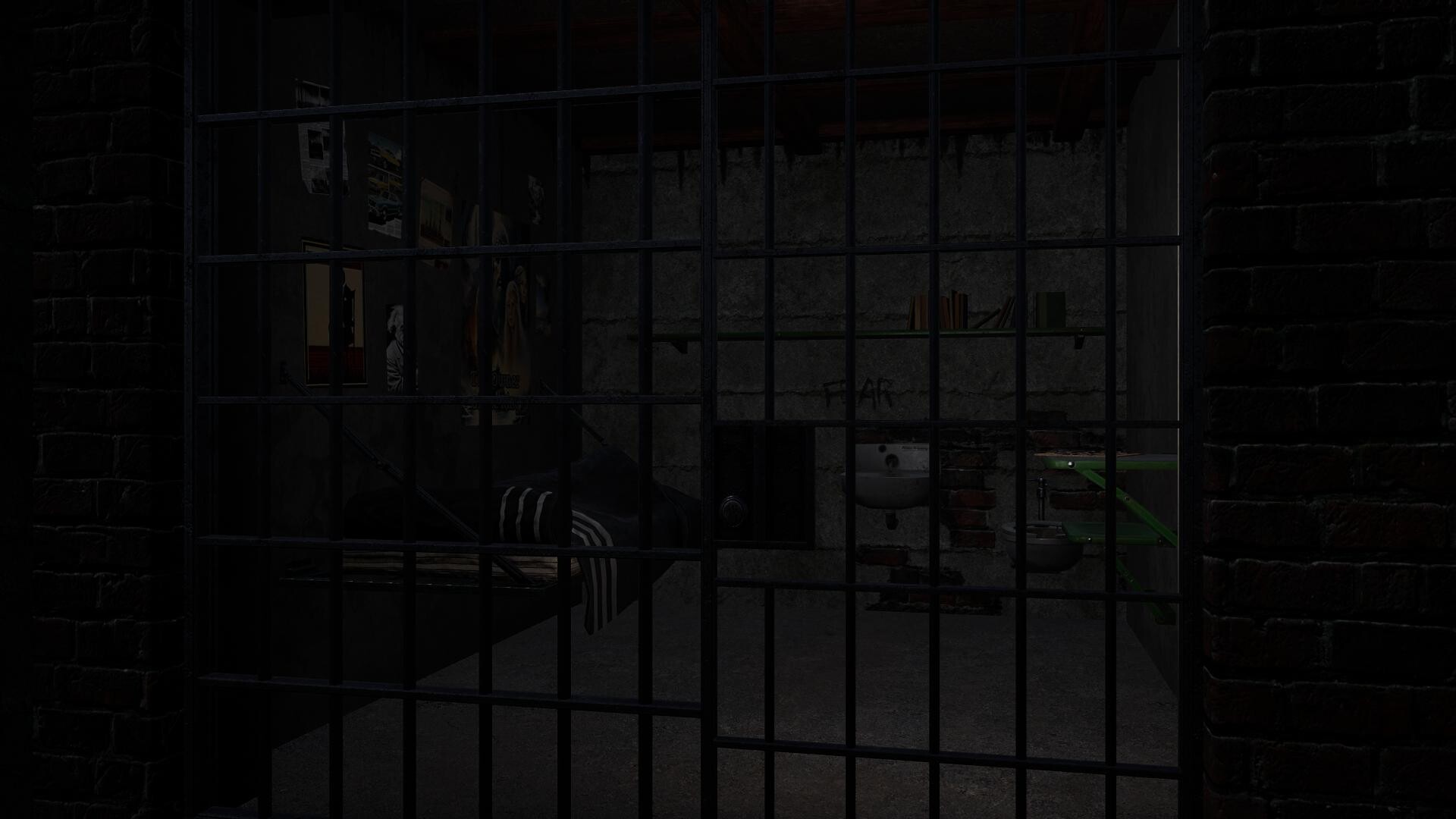
Trace of the Villa released on 28 May, 2026 and is available on Steam. The Steam listing includes official images and screenshots for a first look at the estate, interiors, and UI elements that foreground puzzle and document examination.

Why the theme matters (and what it promises)
The mansion’s presentation—rooms left mid-routine, missing names and photographs, falsified identities and financial transfers—frames an investigation into erasure: not just of people, but of records and ownership. That framing raises the emotional stakes of Jin’s search. The official description highlights that restoring power and access is a gameplay beat: secured systems, hidden compartments, and encrypted documents are how the narrative extends beyond surface detail into a larger, concealed operation. If you care about narrative curiosity—piecing together who people were and why records were scrubbed—this game trades in slow-revealed connective tissue rather than instant answers.
How you read clues and progress
According to the Steam description, progress is driven by investigative actions: restoring power to bring systems online, unlocking hidden compartments and safes, and analyzing fragments of manifests and encrypted documents. Those recovered artifacts form the connective clues: falsified identities, suspicious transfers, and arrival/departure patterns. Expect to move between exploration, puzzle-solving (locks, safes, encrypted fragments), and interpretation of document evidence to build a timeline.
Player scenarios — which kind of player should wishlist it
- Methodical investigators: You enjoy cataloguing found items, cross-referencing manifests, and building a case from partial records. This is for you.
- Slow-burn atmospheric players: You prefer tension from silence, environmental detail, and incremental reveals rather than jump scares or action set pieces. The mansion’s subdued, erased-feel is likely to appeal.
- Puzzle-and-document fans: If puzzle progress frequently requires reading documents, restoring systems, or decrypting fragments to access the next area, that will fit your playstyle.
- Not for players who want immediate, fast-paced answers or competitive multiplayer thrills—Trace of the Villa foregrounds solitary, narrative-driven investigation per the official premise.
How it compares to other story-driven mystery adventures
Below is a compact editorial comparison on lawful criteria—genre, atmosphere, puzzle focus, exploration style, story tone, and pacing—using nearby titles as reference points so you can see where Trace of the Villa might sit on your wishlist.
| Title | Genre / Core focus | Atmosphere & story tone | Puzzle / exploration style | Player fit |
|---|---|---|---|---|
| Trace of the Villa | Action, Adventure, Indie — clue-driven investigation | Mansion mystery; erased identities; quiet, unsettling investigation | Document fragments, restored systems, safes, hidden compartments | Players who like environmental storytelling and methodical clue-gathering |
| Inscryption | Adventure / Strategy — card-based, experimental | Dark, psychological; metafictional horror elements | Card puzzles blended with escape-room style mechanics | Players who like surprising genre blends and puzzle hooks layered into systems |
| Outer Wilds | Action, Adventure — open-world mystery (time loop) | Curious, cosmic; exploration-focused narrative | Environmental discovery; player-driven inquiry across a solar system | Players who enjoy open exploration and piecing timelines together (time-loop emphasis) |
| Journey | Adventure, Indie — exploration and atmosphereYouTube discoveryFor trailer and gameplay discovery, use YouTube search rather than relying on unverified embeds: Find Trace of the Villa trailer and gameplay searches on YouTube. CommentsMore posts |
Leave a Reply