
Trace of the Villa — how clue reading, object logic, and story puzzles shape the mansion mystery
Trace of the Villa is an atmospheric mystery adventure about Jin’s search for a missing sister inside a decaying, off‑grid mansion; it layers document fragments, restored systems, and locked compartments to push players from inspection to inference. Released on 28 May, 2026 by Steadyturtle Co., Ltd., the game foregrounds environmental storytelling and puzzle work that ask you to read clues and reconstruct a timeline rather than rely on overt exposition.

Quick facts
| Title | Trace of the Villa |
|---|---|
| Release date | 28 May, 2026 |
| Developer / Publisher | Steadyturtle Co., Ltd. |
| Genres | Action, Adventure, Indie |
| Steam categories | Single-player; Color Alternatives; Custom Volume Controls; Playable without Timed Input; Subtitle Options; Family Sharing |
| Steam appid | 3483660 |
| Where to find it | Steam store page |
Who is Trace of the Villa for?
If you prize slow‑burn suspense, careful clue reading, and story puzzles that emerge from micro‑details, Trace of the Villa is aimed at you. The Steam page positions the experience as an investigative, narrative‑driven adventure: Jin explores a shut‑off estate, restores power, and uncovers encrypted documents and locked safes — the sort of work players who enjoy assembling a timeline from scattered evidence will appreciate. The presence of subtitle options, color alternatives, and “playable without timed input” suggests the game is built for deliberate inspection rather than twitch reactions.
What the game is (and is not)
Trace of the Villa frames itself as a psychological investigation inside a deliberately forgotten mansion. According to the official Steam description, rooms look as if their occupants vanished mid‑routine; identities are missing; and restoring systems reveals hidden compartments and financial trails. That language signals a puzzle loop built on reading environmental clues, decrypting fragments, and piecing together motives — a narrative puzzle adventure rather than a pure action romp or a physics sandbox.
When and where
Trace of the Villa launched on Steam on 28 May, 2026. It’s presented as a PC/Steam title (Steam appid 3483660) from Steadyturtle Co., Ltd., with standard accessibility options highlighted on the store page.
Why the theme matters: clue reading as narrative engine
Games that rely on clue reading convert player attention into story progress. In Trace of the Villa, the act of restoring the house’s systems is explicitly tied to narrative revelation: secured systems coming back online, hidden compartments unlocking, and safes yielding fragments of encrypted documents are all listed in the official description. That design choice makes the player’s interpretive work — aligning timestamps, matching manifests to suspicious transfers, and reading omissions as evidence — the means of discovery. It’s less about being handed explanations and more about assembling them.
How puzzles and object logic shape play
From the store text you can expect puzzle design that privileges contextual logic over arbitrary solutions. The core loop described—recover manifests and hints, restore power, unlock compartments—points to puzzles that emerge from systems and objects with internal consistency: a power board that reveals a room’s electronic logs, a safe whose contents require cross‑referencing, a manifest that implies identities were falsified. That encourages a reading posture: examine, hypothesize, test, and reframe. The Steam categories (notably “Playable without Timed Input” and subtitle options) underline a pace built for close examination rather than timed pressure.
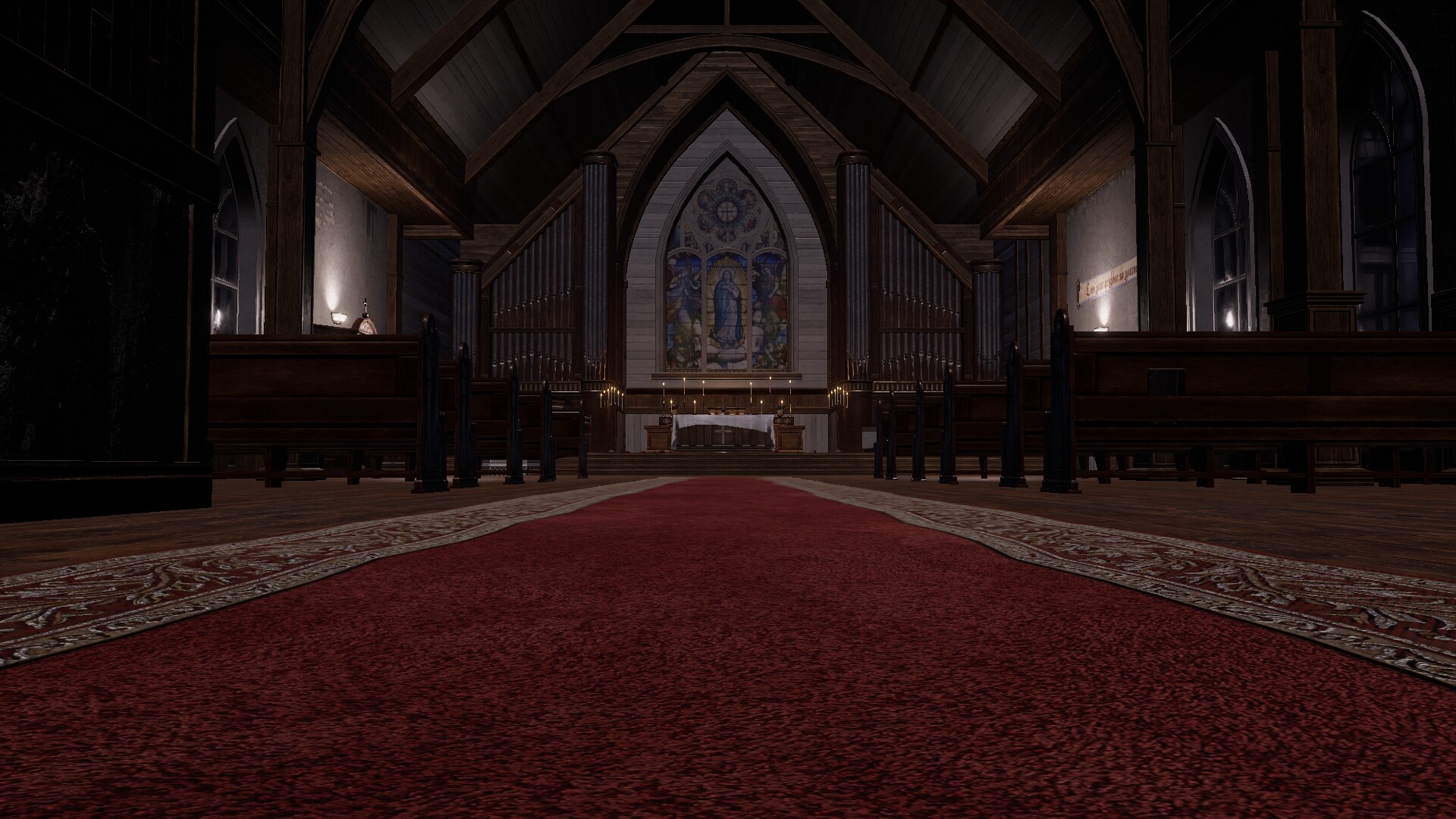

Player scenarios — who will enjoy Trace of the Villa
- The patient detective: You prefer narrative payoff built from small discoveries and enjoy cataloguing documents, logs, and fragments to form a coherent theory.
- The ambient investigator: You like moody, atmospheric spaces where the environment itself serves as the primary storyteller and puzzles arise from context.
- The methodical solver: You appreciate object logic — puzzles that make sense when you understand the systems and relationships behind them rather than arbitrary codes.
- The story-first player who dislikes pressure: With “Playable without Timed Input” and subtitle options, the game looks designed for players who want to read and reflect at their own pace.
How it compares: puzzle and exploration peers
Below is a compact editorial comparison that focuses on genre, atmosphere, puzzle focus, exploration style, story tone, pacing, and likely player fit. This is editorial discovery based on each title’s described focus and store information — not a claim of superiority or endorsement.
| Title | Genre / Tone | Puzzle focus | Exploration style | Pacing / Player fit |
|---|---|---|---|---|
| Trace of the Villa | Action / Adventure / Indie — atmospheric mansion mystery | Clue reading, object logic, document fragments, locked compartments | Single‑player, environmental investigation inside a decaying estate | Slow‑burn; for players who like building a timeline from evidence |
| The Room (series) | Adventure / Indie — tactile, mechanical mystery | Object‑based mechanical puzzles with layered devices | Contained, puzzle‑box rooms; focused on inspection | Puzzle‑centric; ideal for those who enjoy physical puzzle devices |
| Escape Simulator | Adventure / Simulation — interactive escape rooms | Highly interactive object puzzles, physics, co‑op options | Room‑based, community levels, high interactivity | Best for players who like tactile interaction and co‑op or custom rooms |
| Unpacking | Casual / Indie — zen, life‑story puzzle | Object placement and inference to reveal character through belongings | Low‑pressure, vignette‑based exploration of domestic spaces | For players who prefer quiet storytelling delivered via objects and context |
Deciding whether to wishlist
Wishlist Trace of the Villa if you enjoy environmental storytelling where the act of reading clues — manifests, encrypted fragments, and restored systems — drives narrative progress. If you prefer fast‑paced action without interpretive work, this title’s emphasis on investigative assembly may not be the best fit. The Steam store’s listed accessibility bookmarks (subtitles, no timed input) make it clear the design supports careful, contemplative play.
YouTube discovery
If you want trailer footage or gameplay clips, search results for “Trace of the Villa trailer gameplay” are available here (useful for finding trailers or player videos; not all results are guaranteed to be official): YouTube search: Trace of the Villa trailer gameplay.
Steam page: https://store.steampowered.com/app/3483660/Trace_of_the_Villa/
Disclaimer: referenced titles and trademarks belong to their respective owners. Comparisons above are editorial discovery only and not endorsements.