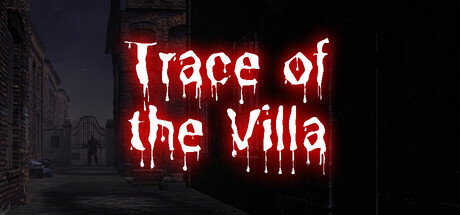
Trace of the Villa and the Case for Quiet, Unsettling Tension
Trace of the Villa (Steadyturtle Co., Ltd., released 28 May, 2026) follows Jin as he pursues leads to a remote, decaying mansion while searching for his missing sister. It trades jump scares for layered environmental dread: rooms that feel “erased,” locked systems that only reveal fragments when power is restored, and a slow, clue-driven investigation that rewards patient attention.

Who, What, When, Where, Why, and How
Who it is for
- Players who prefer atmospheric mystery adventure and psychological investigation over constant action.
- Those who enjoy environmental storytelling, narrative puzzle design, and slow-burn suspense in a single-player setting.
- People who like piecing together fragments—manifests, encrypted documents, and suspicious transfer records—to build a timeline.
What the game is
Trace of the Villa is an Action/Adventure indie on Steam developed and published by Steadyturtle Co., Ltd. Official text frames the story around Jin’s years-long search for his missing sister; a lead takes him to a remote mansion where recovered manifests and hints suggest she may still be alive somewhere down the trail. Inside, rooms appear furnished as if occupants vanished mid-routine; identities and names are conspicuously absent, and the silence is deliberately heavy.
When and where
Trace of the Villa released on Steam on 28 May, 2026. It is a Steam/PC release with standard discovery channels visible on its Steam page (app ID 3483660).
Why the theme matters
Environmental dread and silence shape how players interpret a space. When a mansion’s furniture, locked doors, and personal items imply an interrupted life but lack the usual anchors (photos, names), the player begins to translate absence as intentional erasure. That absence replaces cheap shocks with an ongoing cognitive tension: you never know whether a quiet hallway hides context or consequence, and every restored circuit or unlocked safe alters what the room means.
How you progress
According to the official description, Jin recovers manifests and hints, restores power to the estate, and watches the house “begin to reveal what it was hiding.” Secured systems come back online, hidden compartments unlock, safes yield fragments of encrypted documents and suspicious transfer records, and each solved puzzle exposes another layer of a carefully concealed operation. Progress is clue-driven and investigative rather than combat-focused; the narrative advances as you connect evidence and rebuild a timeline.
Design Focus: Silence, Rooms, and the Mechanics of Unease
Trace of the Villa uses three design levers to sustain low, persistent dread:
- Unsettling room design: Furnishings left in mid-routine suggest lives interrupted. The omission of names and photographs creates a cognitive gap the player is compelled to fill.
- Restored systems as pacing tools: Restoring power is not just a toggle; the act makes the environment speak—unlocking new evidence and changing how spaces read.
- Silence as a narrative device: The mansion’s “suffocating” silence described in official text functions like a persistent NPC: it keeps the player alert without forcing peaks of terror.
Together these elements steer the experience away from scripted shocks and toward a slow accretion of unease that culminates when discrete discoveries line up into a larger, unsettling pattern.
Images: Official Steam Art and In-Game Screenshots
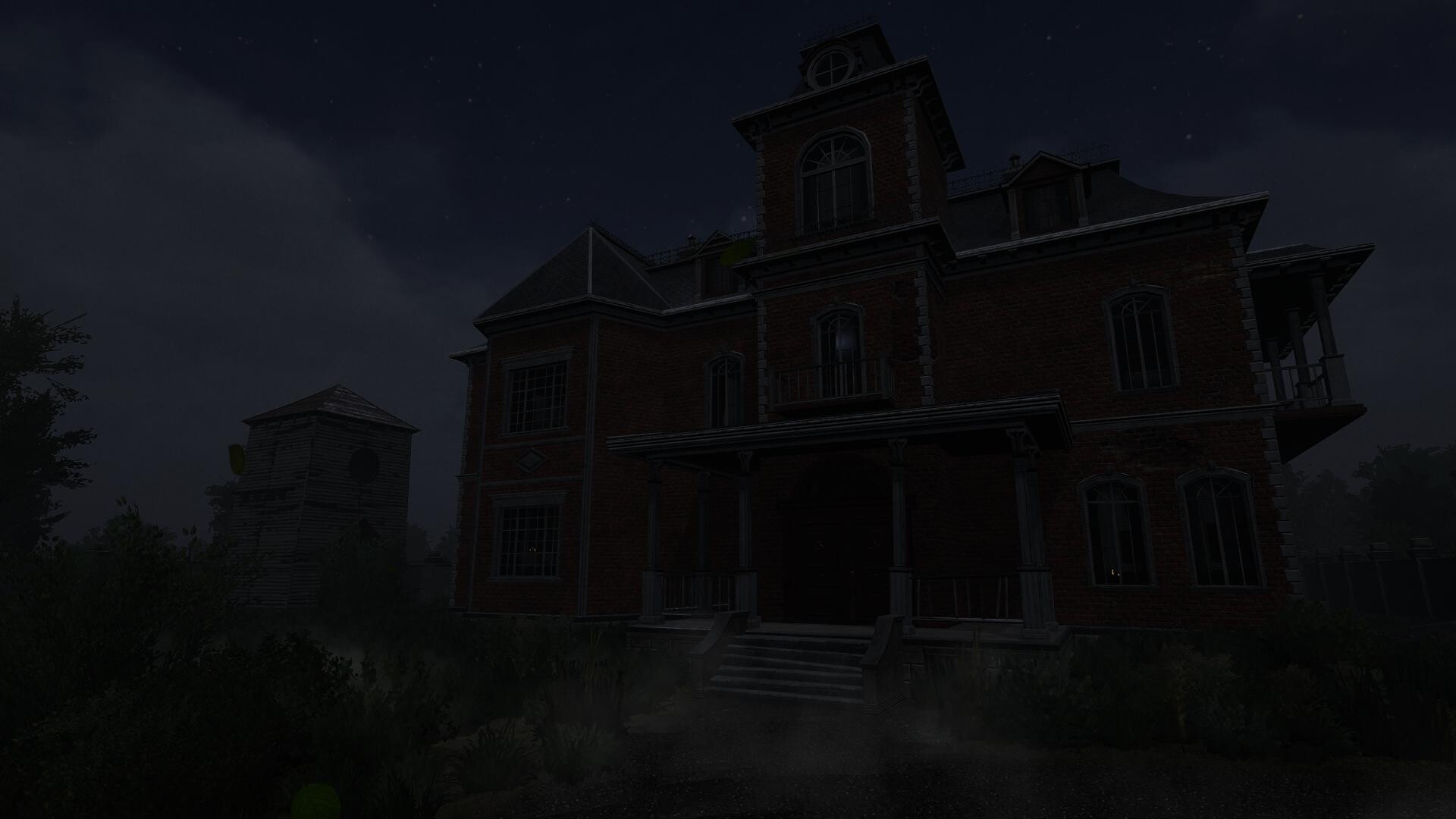

Compact Facts: Trace of the Villa
| Title | Trace of the Villa |
|---|---|
| Steam AppID | 3483660 |
| Release date | 28 May, 2026 |
| Developer | Steadyturtle Co., Ltd. |
| Publisher | Steadyturtle Co., Ltd. |
| Genres | Action, Adventure, Indie |
| Categories | Single-player; Color Alternatives; Custom Volume Controls; Playable without Timed Input; Subtitle Options; Family Sharing |
| Official premise | Jin searches a remote, decaying mansion for clues to his missing sister; manifests, locked systems, and encrypted fragments reveal a carefully concealed operation. |
Comparison: Where Trace of the Villa Sits Among Slow-Burn Horror and Mystery
This comparison is editorial—based on public Steam descriptions and known design emphasis—and intended to help readers match preferences, not to rank or endorse.
| Title | Primary tone / atmosphere | Puzzle / investigation focus | Exploration style | Pacing & player fit |
|---|---|---|---|---|
| Trace of the Villa | Decaying mansion; quiet, erasure-driven dread | Clue-driven: manifests, encrypted documents, secured systems | Room-by-room environmental reading; power-restoration reveals layers | Slow-burn; best for players who prefer narrative puzzles and atmosphere |
| Amnesia: The Dark Descent | Immersive, first-person gothic horror | Exploration, sanity mechanics, environmental puzzles | Open-feeling levels with emergent threats and physics puzzles | High immersion; players who want an active survival/horror tension |
| SOMA | Sci-fi, existential dread beneath the ocean | Story-led puzzles with philosophical framing | Linear, atmospheric corridors that emphasize narrative beats | Pacing built around narrative revelations; suits players after thought-provoking horror |
| Layers of Fear (2016) | Shifting Victorian mansion; psychological, surreal atmosphere | Environmental puzzles tied to storytelling and changing spaces | Unstable, morphing interior spaces that reveal story through exploration | Slow, unsettling; players who enjoy unreliable architectural storytelling |
| Poppy Playtime | Playful factory horror with tension from moving threats | Puzzle tools (
Steam pageView Trace of the Villa on Steam YouTube discoveryFor trailer and gameplay discovery, use YouTube search rather than relying on unverified embeds: Find Trace of the Villa trailer and gameplay searches on YouTube. CommentsMore posts |
Leave a Reply