
Trace of the Villa — an escape-room style mystery built around power, locks, and evidence
Trace of the Villa drops you into a decaying, off-grid mansion where Jin — a man searching for his missing sister — must restore the estate’s systems to force secrets to surface. The game leanly combines environmental storytelling, locked-room thinking, and chained clues into a gameplay loop that hinges on restoring power, unlocking spaces and reconstructing evidence to map what really happened.

Quick facts
| Title | Trace of the Villa |
|---|---|
| Steam appid | 3483660 |
| Release date | 28 May, 2026 |
| Developer | Steadyturtle Co., Ltd. |
| Publisher | Steadyturtle Co., Ltd. |
| Genres | Action, Adventure, Indie |
| Categories | Single-player; Color Alternatives; Custom Volume Controls; Playable without Timed Input; Subtitle Options; Family Sharing |
| Where to find it | Trace of the Villa on Steam |
What the game is
Officially described on Steam, Trace of the Villa follows Jin, who has spent years searching for his missing sister and follows a lead to a remote, decaying mansion. Inside, the estate feels “less abandoned than erased”: furnished rooms with no recent records, locked doors, and personal items bereft of names or photos. When Jin restores power to the estate, secured systems come back online, hidden compartments unlock, and safes yield fragments of encrypted documents and suspicious transfer records.
Who it’s for
This is a fit for players who prefer atmospheric mystery adventure and puzzle-driven exploration rather than twitch action. If you enjoy locked-room thinking, chaining small discoveries into larger revelations, and reading environments for narrative clues — the kinds of players who appreciate environmental storytelling, slow-burn suspense and methodical reconstruction of events — Trace of the Villa is squarely aimed at you.
When and where
Trace of the Villa released on 28 May, 2026 and is available on Steam (PC). The Steam page lists its developer and publisher as Steadyturtle Co., Ltd., and classifies the title under Action, Adventure, Indie with single-player-focused accessibility options such as subtitles and controls for color and volume.
Why the theme matters
A mystery built around an off-grid mansion and missing identities foregrounds examination and reconstruction as gameplay drivers. Restoring power is both mechanical and symbolic: it reactivates systems that physically reveal locked information, and it acts as a pacing device that spaces out discoveries so players can assemble chains of evidence. That design choice ties the narrative — Jin’s search for his sister — directly to the puzzle loop.
How the gameplay loop works
According to the official description, the loop centers on restoring power to reactivate secured systems; those systems, in turn, unlock compartments, safes and encrypted fragments. Each unlocked element yields another clue: manifests, transfer records, or encrypted documents that must be pieced into a timeline. In practice this suggests a chain-puzzle flow where an environmental read (what the room tells you) leads to a system restore (power, consoles, locks) which then grants access to discrete evidence that must be assembled into a coherent narrative.

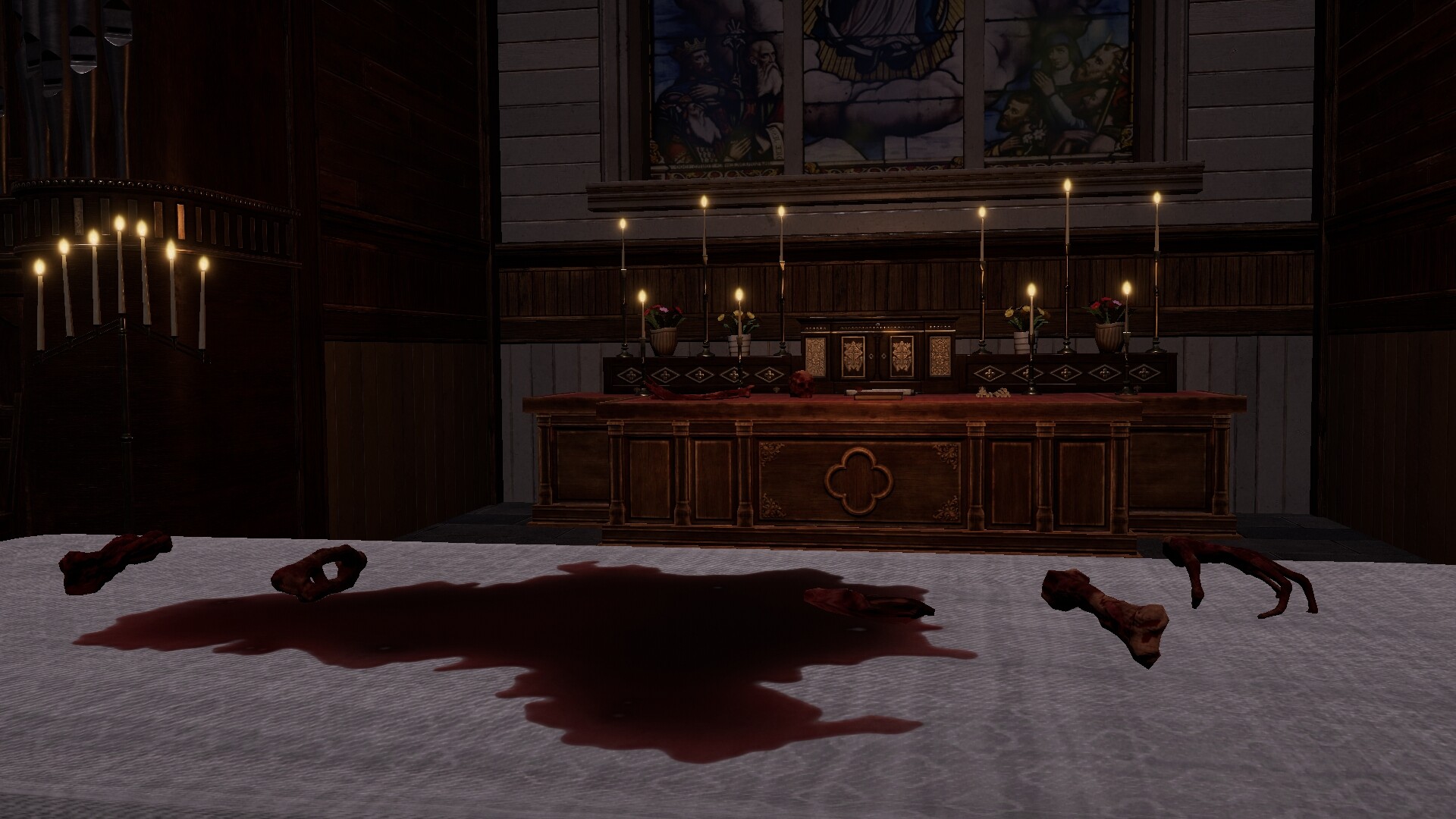
Player scenarios — who should wishlist this
- The methodical detective: You like building timelines from small finds and enjoy puzzles that unlock progressively as systems become available. You value atmosphere and narrative inference over combat or reflex tests.
- The environmental reader: You scan rooms for context clues and derive story beats from set dressing and scattered documents. Restoring power as a mechanic that expands the playable space appeals to you.
- The locked-room puzzler: You favor puzzles that interlock — one solved lock opens a path to another — and enjoy the satisfaction of tracing a chain of clues to a synthesis.
How it compares to nearby mystery and puzzle games
Below is an editorial comparison based on genre, atmosphere, puzzle focus, exploration style, story tone and pacing. These comparisons are discovery-oriented — not endorsements — and use publicly available descriptions from each title.
| Title | Genre / Focus | Puzzle style | Exploration & Tone | Player fit |
|---|---|---|---|---|
| Trace of the Villa | Action, Adventure, Indie | Chained environmental puzzles; system reactivation and document reconstruction | Slow-burn mansion mystery; atmospheric, investigative | Players who want locked-room thinking, environmental storytelling and evidence assembly |
| The Room | Adventure, Indie | Mechanical, tactile safes-and-puzzle-box puzzles | Concentrated, claustrophobic puzzle-box atmosphere | Players who prefer single-location, object-based riddles and tactile puzzle mechanics |
| The Room Two | Adventure, Indie | Expanded tactile puzzles across interconnected locations | Mystical, deliberate pacing with escalating mystery | Players who like multi-stage puzzle journeys and an unfolding uncanny tone |
| Escape Simulator | Adventure, Casual, Indie | Highly interactive escape-room mechanics; physics and manipulation | Bright, user-made rooms to complex scenarios; sandboxy exploration | Players who enjoy hands-on object interaction and community-made rooms (solo or co-op) |
| Hi‑Fi RUSH | Action | Rhythm-based combat and level challenges (action focus) | High-energy, music-synced pacing | Players looking for action and rhythm rather than methodical investigation |
Practical takeaways
If you prize atmosphere and evidence-driven mystery over action spectacle, Trace of the Villa should be on your radar. The central hook — restoring power to reopen spaces and reveal encrypted fragments — emphasizes player patience and inference. Wishlist it if you enjoy slow-burn investigative adventure with a locked-room mindset; skip or wait if you want fast-paced action or community-driven sandbox puzzle tools.
Trailer & further discovery
YouTube discovery
For trailer and gameplay discovery, use YouTube search rather than relying on unverified embeds: Find Trace of the Villa trailer and gameplay searches on YouTube.
Leave a Reply