
Trace of the Villa — an inspection-heavy, clue-driven mansion mystery
Trace of the Villa casts you as Jin, a searcher following cold leads into a remote, decaying mansion where manifests, encrypted fragments and sealed systems hint that his missing sister may still be alive. The Steam page frames this as a slow-burn investigative adventure built around restoring power, unlocking hidden compartments and reading an environment that looks furnished but deliberately erased.

| Title | Trace of the Villa |
|---|---|
| Developer / Publisher | Steadyturtle Co., Ltd. |
| Release date | 28 May, 2026 |
| Genres | Action, Adventure, Indie |
| Steam categories | Single-player; Color Alternatives; Custom Volume Controls; Playable without Timed Input; Subtitle Options; Family Sharing |
| Steam appid | 3483660 |
Who this is for
If you prefer environmental storytelling and methodical clue-chaining to action spectacle, Trace of the Villa is aimed at players who enjoy inspection-heavy play and locked-room thinking. Its Steam categories (single-player, subtitle options, playable without timed input) point toward a solo, paced experience where reading objects and systems matters more than reflexes.
What the game is
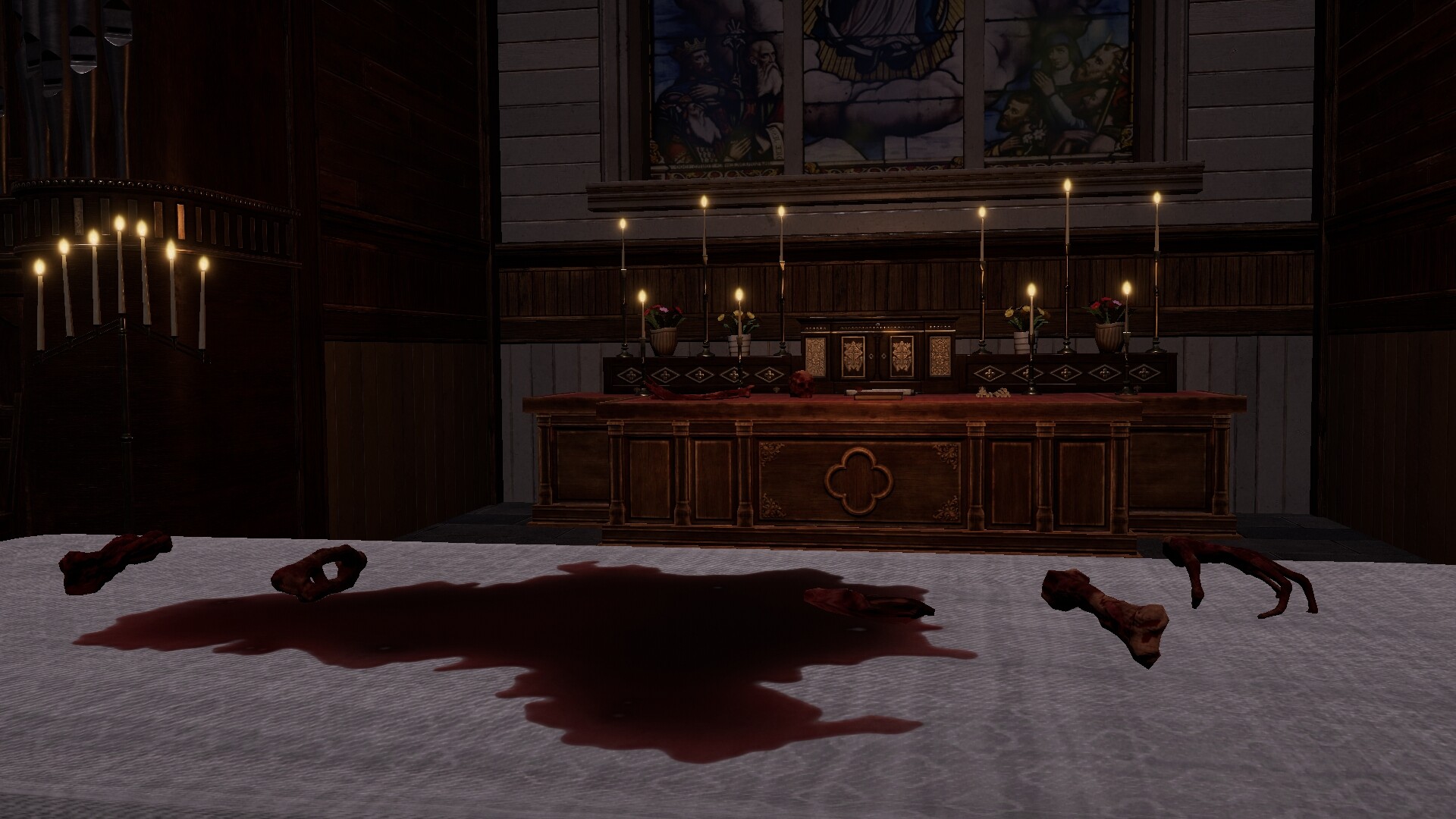
Official Steam text positions Trace of the Villa as a narrative mystery in which Jin follows leads into a property that appears deliberately forgotten. Inside, rooms appear “erased” rather than merely abandoned: personal items are present but identifying traces are missing. The developer frames progression as reconstructing the house’s systems—restoring power, opening secured systems and safes, and recovering manifests and encrypted documents that reveal a concealed operation and a timeline of arrivals and departures.

When and where
Trace of the Villa is available on Steam; the listed release date on the store page is 28 May, 2026. Developer and publisher are Steadyturtle Co., Ltd. The Steam entry also lists accessibility and comfort options such as color alternatives, subtitle options and “playable without timed input,” which underline a slower, more contemplative experience.
Why the theme matters
The mansion-as-system conceit shifts emphasis from isolated riddles toward object logic and investigative chains. The official description repeatedly returns to missing records, falsified identities and financial trails that lead nowhere—design cues that reward piecing together small, concrete facts into a larger narrative. For players who value a story that emerges through forensic environmental reading rather than cutscenes, that matters: the game asks you to reconstruct history by reading objects and systems.
How you read clues and progress
Store text outlines a clear progression loop: restore systems (for example, power), then inspect the newly available spaces and devices. Secured systems come back online, hidden compartments unlock and safes yield fragments of encrypted documents and suspicious transfer records. That sequence—reactivate, inspect, decrypt, connect—maps directly to locked-room thinking and clue chains. Expect investigation to be inspection-heavy: manifests, hints and encrypted fragments are the raw material for building timelines and tracing movement through the property.
Player scenarios — who should wishlist it
- Environmental storytellers: You like reconstructing past events from objects and half-ruined rooms. If you prefer reading a space to being told a plot, this is a fit.
- Puzzle sleuths who dislike pressure: Steam categories note the game is playable without timed input, so players who hate timers but enjoy deliberate problem chains should consider adding it to their wishlist.
- Slow-burn narrative players: If you want a mystery that unfolds through documents, encrypted fragments and system reveals rather than action beats, the official description signals that pacing.
How it compares — a brief editorial table
| Title | Genre / Focus | Atmosphere | Puzzle approach | Exploration style | Pacing |
|---|---|---|---|---|---|
| Trace of the Villa | Action / Adventure / Indie — mystery investigation | Decaying mansion; erased identities; forensic tone | System reactivation, safes, manifests, encrypted fragments (inspection-heavy) | Single-player, room-to-room forensic reading | Slow-burn, methodical |
| The Room | Adventure / Indie — tactile puzzle box | Isolated, uncanny, focused on a single locked object | Mechanical object puzzles and layered physical contraptions | Focused, vignette-style encounters around puzzle artefacts | Measured and self-contained |
| The Room Two | Adventure / Indie — expanded tactile puzzles | Cryptic, atmospheric, varied locales | Object logic with evolving, interconnected puzzle devices | Linear scene-based exploration that connects puzzle moments | Deliberate; each scene builds on previous clues |
| Escape Simulator | Adventure / Simulation / Indie — sandbox escape rooms | Often playful, workshop-like; varies by room | Highly interactive object manipulation; physics and item combos | Room-scale, can be solo or co-op; community-made variety | Varies widely; can be quick or complex depending on the room |
Editorial note: these comparisons focus on puzzle emphasis, exploration style and tone rather than on subjective rankings.
YouTube discovery
If you want trailers or gameplay clips, search results for Trace of the Villa are available on YouTube: View Trace of the Villa on Steam
YouTube discovery
For trailer and gameplay discovery, use YouTube search rather than relying on unverified embeds: Find Trace of the Villa trailer and gameplay searches on YouTube.
Leave a Reply