Trace of the Villa — why quiet tension and uncertainty matter more than loud shocks
Trace of the Villa is a story-driven mystery set in a deliberately decaying mansion where Jin follows fragmented manifests and locked systems that may point to his missing sister. It trades jump scares for slow-burn atmosphere, measured investigation, and the corrosive unease of a house that feels “erased” rather than simply abandoned.

| Title | Trace of the Villa |
|---|---|
| Release date | 28 May, 2026 |
| Developer | Steadyturtle Co., Ltd. |
| Publisher | Steadyturtle Co., Ltd. |
| Genres | Action, Adventure, Indie |
| Categories (Steam) | Single-player; Color Alternatives; Custom Volume Controls; Playable without Timed Input; Subtitle Options; Family Sharing |
| Steam page | Open Trace of the Villa on Steam |
Who should wishlist this
If you prefer atmospheric mystery adventure and patient, clue-driven exploration over set-piece shocks, Trace of the Villa will likely land in your wheelhouse. Players who enjoy environmental storytelling, careful puzzle work, and narrative tension built from omission and awkward domestic detail (rooms frozen mid-routine, missing names and photos) should consider adding it to their wishlist.
What the game is
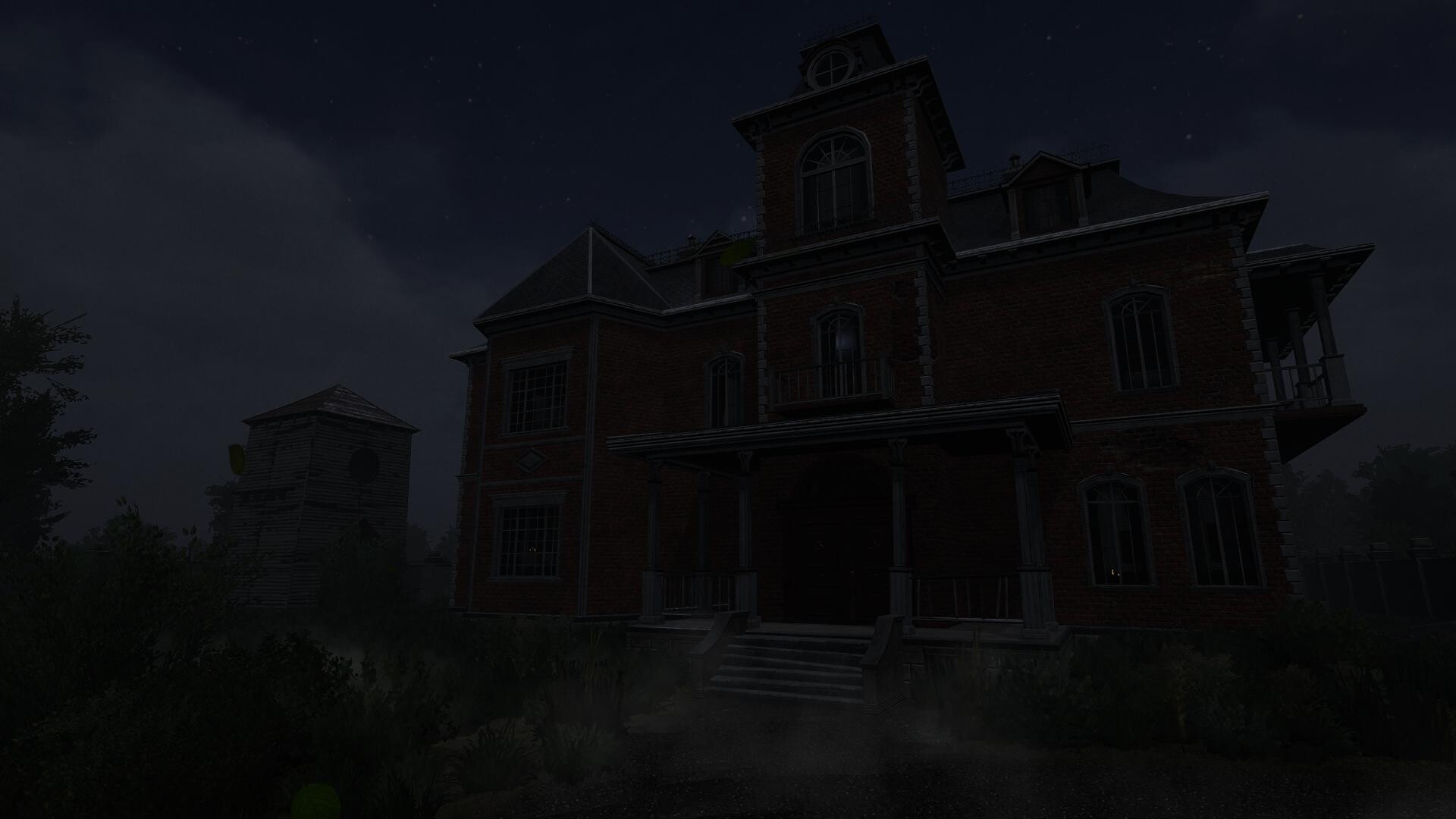
According to the official Steam description, Jin has spent years searching for his missing sister and follows a lead to a remote, decaying mansion where manifests and hints suggest she may still be alive. Inside, the house “feels less abandoned than erased”: furnished rooms, locked doors, and personal items with identities removed. When Jin restores power, secured systems come back online and hidden compartments yield fragments of encrypted documents, transfer records, and falsified identities—piece-by-piece revealing a concealed operation.
When and where
Trace of the Villa released on Steam on 28 May, 2026. The game is presented on Steam as an Action / Adventure / Indie title and lists single-player features along with accessibility touches such as subtitle options and custom volume controls.
Why quiet tension and uncertainty matter more than shock claims
Psychological horror that leans on uncertainty makes the player responsible for their fear. The game’s premise—rooms arranged as if people vanished mid-routine, missing identities, and locked systems that only reveal partial truths—creates a persistent cognitive itch. That tension endures between puzzle solutions: unanswered questions, fragments of documents, and the slow reconnection of a house’s infrastructure all amplify dread more effectively than a string of jump scares. Trace of the Villa positions discovery itself as the engine of unease: every restored circuit, unlocked compartment, and deciphered manifest raises new implications about who used the mansion and why they were erased.
How you read clues and progress
Gameplay revolves around investigation and environmental puzzle design. The official text notes Jin restores power to the estate, causing secured systems to come back online, hidden compartments to unlock, and safes to yield fragments of encrypted documents and suspicious transfer records. Progress therefore feels investigative and incremental: restore systems, gather fragments, decode or piece together financial or identity trails, and follow implications to the next locked area. That design emphasizes a detective rhythm—observe, activate, assemble—that rewards patience and attention to small details in the environment.

Player scenarios — who will get the most from it
- The investigative player: You enjoy cataloging scraps of information, following financial or identity threads, and reconstructing timelines from fragments.
- The slow-burn horror fan: You prefer atmospheric dread that grows between moments rather than aggressive jump scares.
- The environmental storyteller: You like spaces that imply lives and histories through set dressing rather than explicit exposition.
- The accessibility-minded player: The Steam listing notes subtitle options and custom volume controls, and the game is playable without timed input—useful for players who need a more measured experience.
How it differs from nearby mystery/puzzle games
Rather than claiming novelty, here are concrete editorial distinctions so you can decide whether the tone matches your tastes.
| Title | Genre snapshot | Atmosphere / story tone | Puzzle / investigation focus | Exploration style | Pacing / who it suits |
|---|---|---|---|---|---|
| Trace of the Villa | Action / Adventure / Indie | Muted domestic dread; mystery from missing identities and falsified records | Clue-driven: restore systems, unlock compartments, piece together documents | Close-quarters mansion exploration with systemic reactivation | Slow-burn; suited to investigative players who value mood over shock |
| Amnesia: The Dark Descent | Action / Adventure / Indie | Immersive, oppressive gothic horror | Survival and environmental puzzles that heighten helplessness | First-person, atmospheric immersion | High tension and dread; for players who accept intense fear as part of the experience |
| SOMA | Action / Adventure / Indie | Sci-fi existential dread; questions about identity and consciousness | Exploratory puzzles tied to narrative revelations | Lab and facility environments with narrative-driven exploration | Slow, contemplative; suited to players who want philosophical stakes with horror |
| Layers of Fear (2016) | Adventure / Indie | Surreal, psychological descent inside a shifting Victorian mansion | Environmental puzzles blended with shifting level design | Dynamic mansion that literally changes to reflect madness | Psychological and theatrical; for those who prefer unreliable reality and atmosphere |
Leave a Reply