

Trace of the Villa — who you play for, what you uncover, and why the missing-person mystery matters
Jin has spent years searching for his missing sister. A lead takes him to a remote, decaying mansion where recovered manifests and hints suggest she may still be alive — and the house itself seems to be hiding identities, records, and a trail that only careful investigation can follow.
Quick facts
| Title | Trace of the Villa |
|---|---|
| Release date | 28 May, 2026 |
| Developer | Steadyturtle Co., Ltd. |
| Publisher | Steadyturtle Co., Ltd. |
| Genres | Action, Adventure, Indie |
| Steam categories | Single-player; Color Alternatives; Custom Volume Controls; Playable without Timed Input; Subtitle Options; Family Sharing |
| Steam page | Trace of the Villa on Steam |
| Steam reviews | No user reviews yet on Steam (as listed on the store page) |
What the game is — atmosphere, stakes, and structure
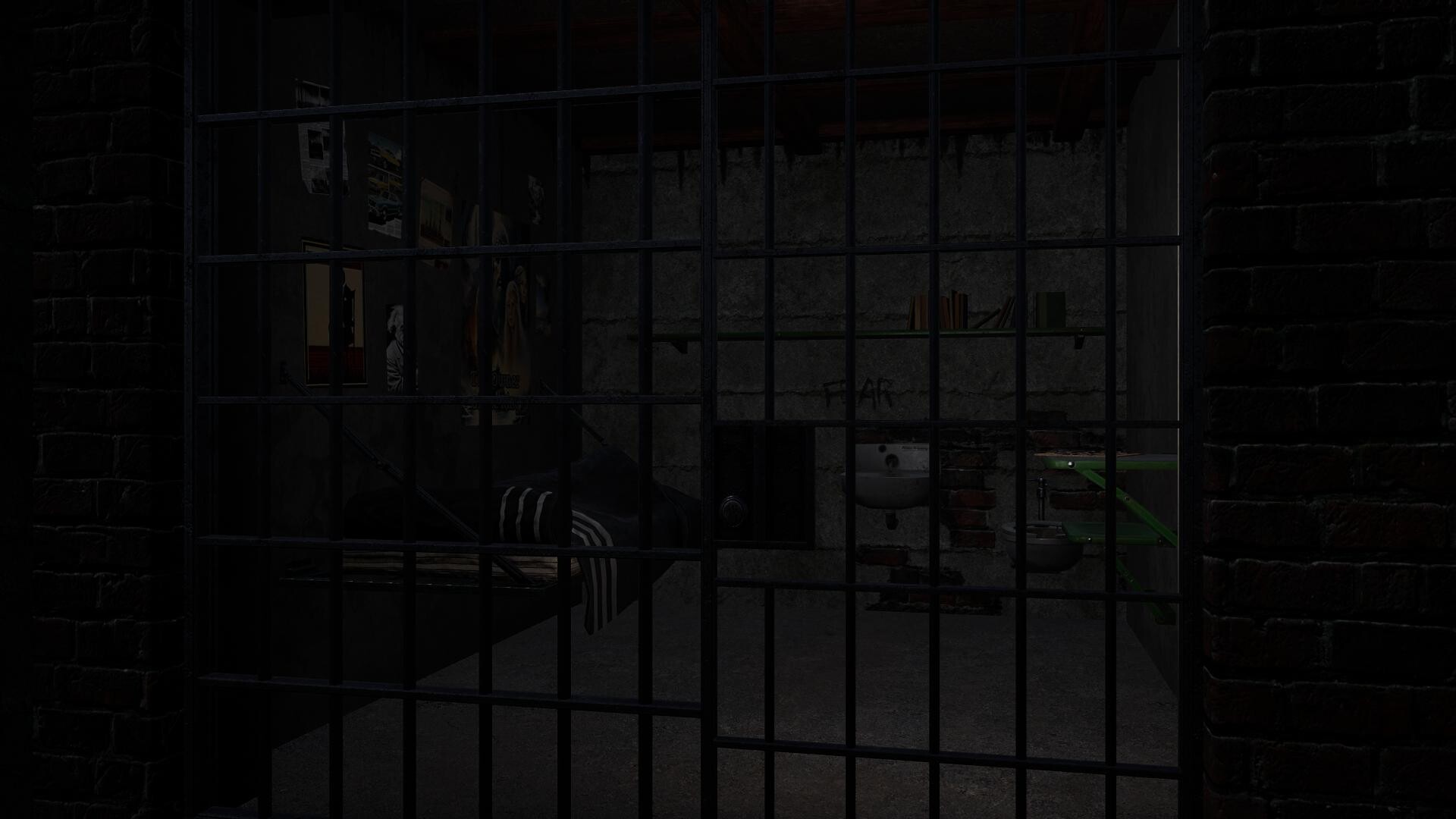
Trace of the Villa frames its mystery around a concrete motivation: Jin’s search for his missing sister. The official store text places players in a decaying, deliberately forgotten mansion where rooms feel “less abandoned than erased” and identities appear to have been removed. Restoring power and accessing secured systems are explicit beats in the official description; when you bring systems back online, hidden compartments, encrypted fragments, and suspicious transfer records begin to show a larger, carefully concealed operation. Those are the narrative hooks you’ll be following.

Official messaging emphasizes environmental storytelling and clue-driven exploration: manifests, safes, falsified identities, and movements “masked behind fals[ified records]” are specifically called out. That suggests the game’s structure favors investigative progression: solve puzzles and restore systems to reveal the next layer of the plot.
Who this is for (5W: Who)
If you prize character motivation and missing-person stakes over abstract worldbuilding, Trace of the Villa is aimed at players who want an atmospheric mystery adventure grounded in a single character’s pursuit. The protagonist’s personal stake—finding a missing sister—drives the investigation; players who respond to intimate, slow-burn suspense and clue-led reveals should find the setup appealing.
Where and when you can play (5W: Where/When)
Trace of the Villa is a PC/Steam release that launched on 28 May, 2026. It’s listed as Action / Adventure / Indie on its Steam page and supports standard accessibility options such as color alternatives and subtitle options, plus custom volume controls and playable without timed input.
Why the theme matters (5W: Why)
The missing-person narrative gives the game a personal center: rather than an anonymous cosmic puzzle, you’re following Jin’s obsession. The official description underscores that the mansion was used as part of a larger, clandestine operation—falsified identities, transfer records, and arrivals without records. That combination of intimate motive and institutional mystery creates tension between individual grief and systemic concealment, which shapes how discovery feels: every unlocked file or powered-back console is a step toward meaning, not just another collectible.
How you play and how the story progresses (5W: How)
The store description makes process explicit: restore power, access secured systems, and solve puzzles to reveal hidden compartments and encrypted documents. Progress appears to be layered—each solved puzzle yields fragments that connect to the mansion’s timeline and the operation that passed people through the estate. Expect environmental storytelling and narrative puzzle design where technological restoration (restarting systems, opening safes) is central to uncovering the next clue.
Player scenarios — who should wishlist this
- If you read stories through evidence: You focus on notes, logs, and small audio/visual cues to reconstruct events. Trace of the Villa’s manifest- and document-centered reveals will reward close reading.
- If you want emotionally driven stakes: You prefer a personal motive as the spine of the plot. Jin’s missing-sister search gives the investigation a human, urgent core.
- If you expect exploration with puzzle beats: The official description anchors progression in restored systems and encrypted fragments—players who like procedural unlocking and layered reveals should feel at home.
- If you prefer non-timed, readable pacing: Steam categories list “Playable without Timed Input” and subtitle options, which suits players who favor slower, contemplative mystery over twitch action.
How it compares to nearby story-rich indies
Below is a compact editorial comparison on lawful criteria—genre, atmosphere, puzzle focus, exploration style, story tone, and pacing—so you can decide whether Trace of the Villa fits your taste relative to other narrative-driven indies.
| Title | Genre & Tone | Puzzle Focus | Exploration Style | Story Tone / Pacing |
|---|---|---|---|---|
| Trace of the Villa | Action / Adventure; atmospheric mansion mystery grounded in a missing-person stake | Clue-driven puzzles, secured systems, encrypted documents (official store text) | Contained mansion exploration with environmental storytelling | Slow-burn suspense centered on a personal search and institutional concealment |
| Inscryption | Adventure / Indie; card-based psychological horror | Deck-and-puzzle hybrid; puzzles emerge from card mechanics and meta-secrets | Layered table-based and meta layers of exploration (card table → broader secrets) | Psychological escalation and tonal shifts; denser, experimental pacing |
| Outer Wilds | Action / Adventure; open-world cosmic mystery | Puzzle discovery via physics and environmental mechanics | Open, solar-system exploration with emergent systems learning | Curiosity-driven, iterative pacing with a time-loop structure |
| Journey | Adventure / Indie; meditative exploration | Minimal formal puzzles; emphasis on traversal and emotional beats |
Leave a Reply