
Who should consider Trace of the Villa after enjoying atmospheric mystery adventures?
Trace of the Villa (Steadyturtle Co., Ltd., released 28 May, 2026) situates a personal missing‑person investigation inside a remote, decaying mansion where restoring power and piecing together financial and identity clues drives the mystery. If you prefer slow, textural environmental storytelling and puzzle-led reveals inside a single‑player, story‑rich PC experience, this title is worth a look.

Quick facts
| Title | Trace of the Villa |
|---|---|
| Release date | 28 May, 2026 |
| Developer / Publisher | Steadyturtle Co., Ltd. |
| Genres | Action, Adventure, Indie |
| Steam categories | Single-player; Color Alternatives; Custom Volume Controls; Playable without Timed Input; Subtitle Options; Family Sharing |
| Short premise | Jin searches a forgotten mansion for clues and manifests that suggest his missing sister may still be alive. |
What the game is
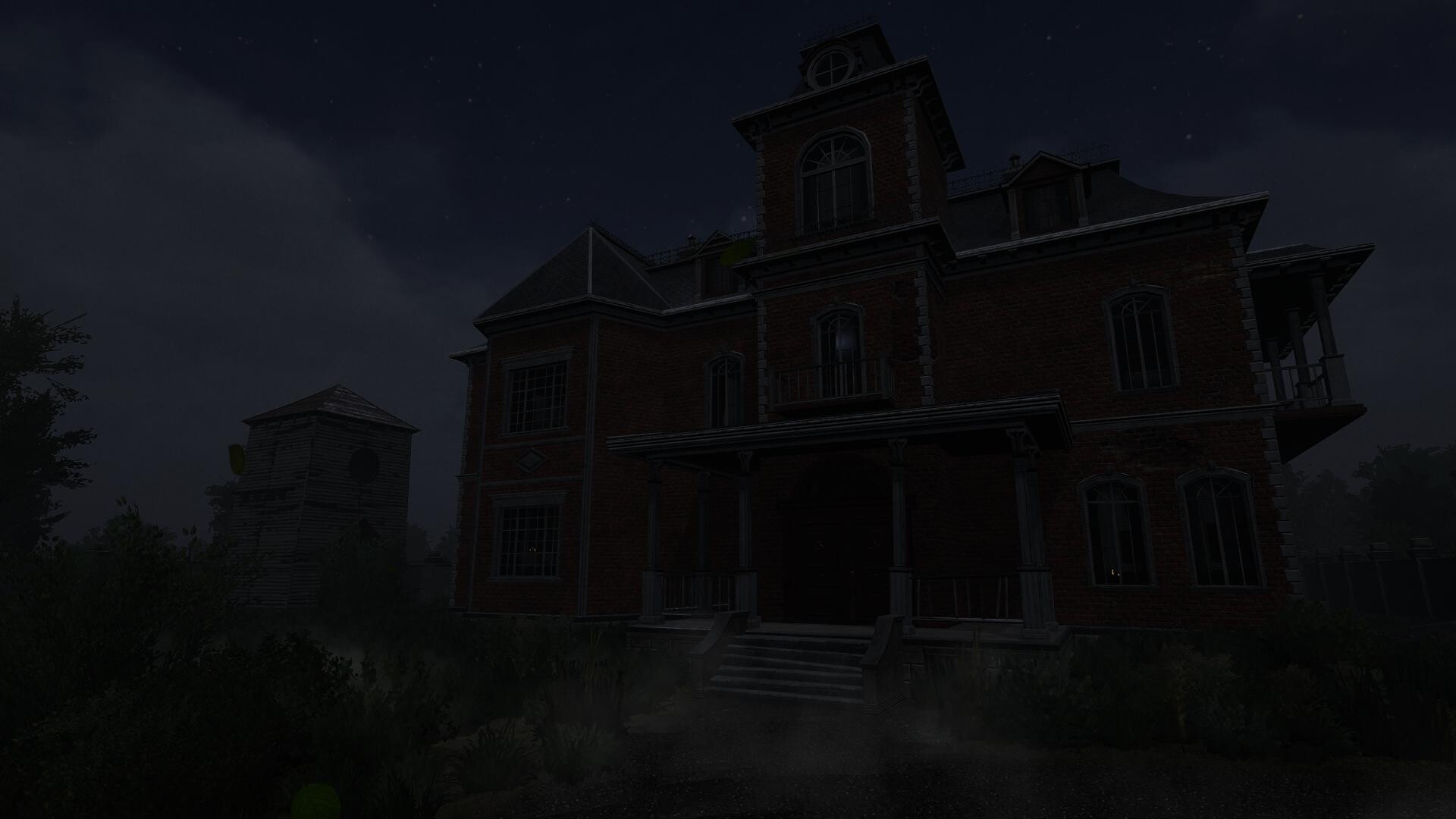
Trace of the Villa frames its investigation around a protagonist (Jin) who recovers manifests, encrypted documents and transfer records while restoring systems in an isolated estate. The official Steam description emphasizes environmental evidence — rooms left mid‑routine, locked doors, hidden compartments and financial trails — rather than combat or arcade skill checks. Expect narrative puzzle design that unlocks layers of the operation behind the mansion.
When and where
Trace of the Villa is available on Steam; the release date is 28 May, 2026. The Steam app page lists standard PC‑centric categories and accessibility options such as subtitle options and controls that avoid required timed input.
Who it’s for
This is aimed at players who favor atmospheric mystery adventures and investigative pacing over fast action. If you enjoyed games that emphasize psychological investigation, clue‑driven exploration and slow‑burn suspense in confined, story‑heavy locations, Trace of the Villa is a match. Its single‑player structure and the Steam categories suggest it’s built for players who value readable UI options (subtitles, custom volume) and accessibility for non‑reflex puzzle solving.
Why the theme matters
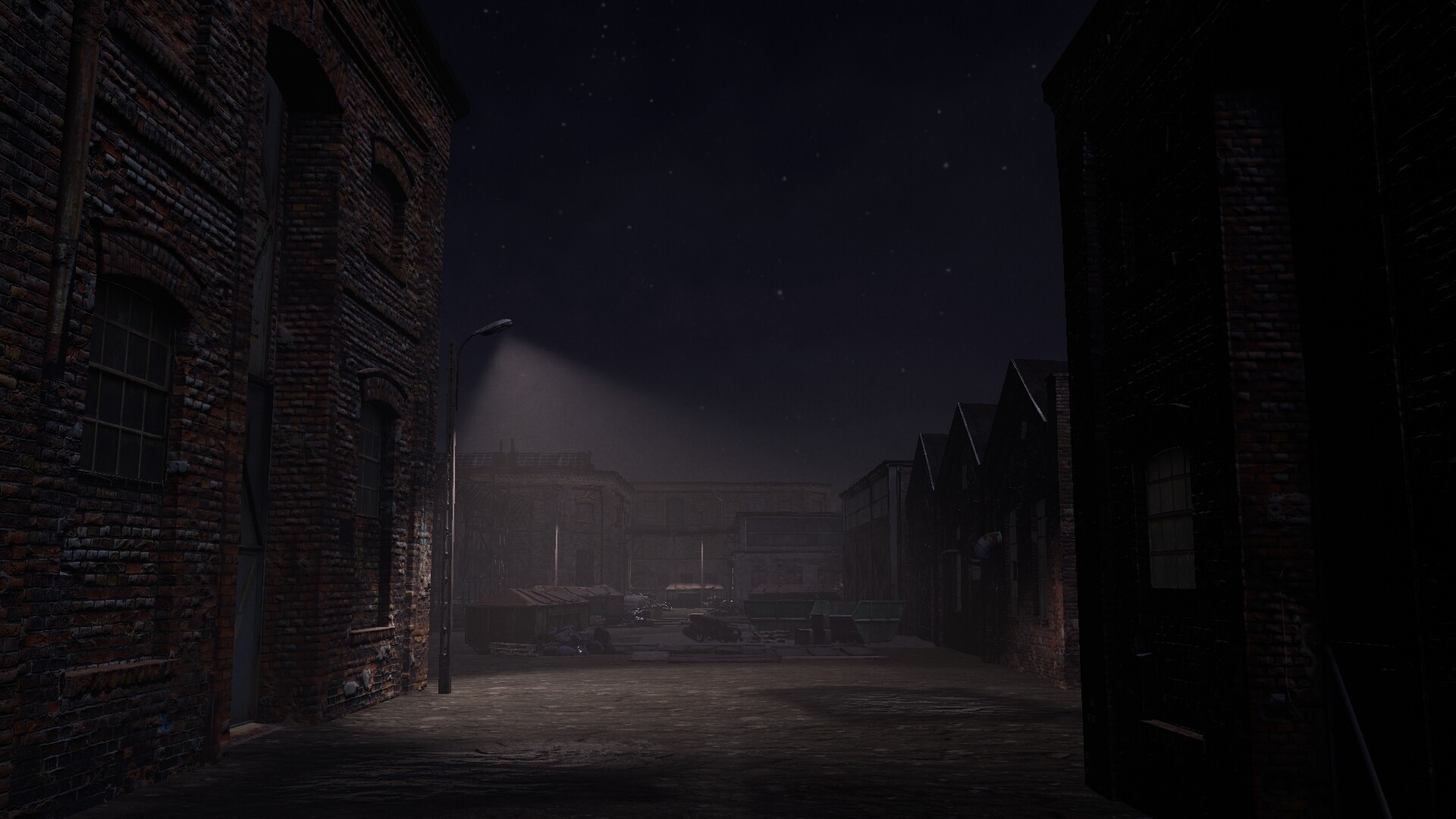
The official copy frames the mansion as a place that has been “erased” — identities missing, records scrubbed, and systems deliberately offline. That setup changes the investigative tone: rather than a straightforward detective log, the game foregrounds piecing together identity and administrative traces (encrypted docs, transfer records) as a path to narrative clarity. For players who find psychological investigations compelling because they reveal systems and motives rather than just jump scares, that premise is important.
How you read clues and progress
According to the Steam description, progress comes from restoring power and reactivating secured systems to unlock hidden compartments, safes and documents. The emphasis on manifests, encrypted fragments and falsified identities implies a gameplay loop built around locating items and using recovered information to open new areas or decrypt further evidence. Steam categories like “Playable without Timed Input” also indicate puzzles are designed for thoughtful inspection rather than reflex timing.
Comparison: who should pick Trace of the Villa versus nearby mystery/puzzle titles
The table below highlights tone, pacing, and investigative focus so you can match player preference to game design. This is an editorial comparison using public Steam descriptions and category info.
| Title | Genre / Perspective | Atmosphere & Tone | Puzzle focus | Exploration style | Pacing |
|---|---|---|---|---|---|
| Trace of the Villa | Action / Adventure / Indie (single‑player) | Decaying mansion; erased identities; investigative dread | Document recovery, safes, encrypted fragments; systems restoration | Confined estate, object‑driven, environmental storytelling | Slow, methodical; clue layering through systems reactivation |
| Amnesia: The Dark Descent | Action / Adventure / Indie (first‑person) | Immersive, survival horror — designed to chill | Environmental puzzles mixed with survival tension | First‑person roaming through interconnected locations | Slow to tense; frequent high‑stress moments |
| SOMA | Action / Adventure / Indie (sci‑fi first‑person) | Sci‑fi existential dread beneath the waves | Puzzle and exploration balanced with narrative sequences | Linear but atmospheric corridors and research sites | Measured, narrative‑led with intermittent tension |
| Layers of Fear (2016) | Adventure / Indie (first‑person psychological) | Victorian, psychological unsettlement; unreliable spaces | Environmental and sequence puzzles tied to story reveals | Shifting rooms; surreal exploration of a single mansion | Slow, impressionistic; emphasis on story beats |
| The Room | Adventure / Indie (single‑player) | Curiosity and mystery centered on a single locked device | Mechanical, tactile puzzle boxes and locks | Focused, contained—one puzzle environment at a time | Careful, puzzle‑centric; steady progression |
| Rusty Lake Hotel | Adventure / Indie (point‑and‑click) | Dark, surreal hospitality with an eerie tone | Point‑and‑click inventory and logic puzzles | Discrete rooms and vignette puzzles | Compact, episodic; puzzle episodes drive forward |
Player scenarios — who should wishlist this
- Investigation-first players: You enjoy reconstructing timelines from documents, logs and system states rather than pure combat or timed sequences.
- Atmosphere seekers: You prefer slow-burn suspense inside a single, well-crafted location with evocative environmental storytelling.
- Puzzle solvers who dislike frantic reflex checks: Steam categorization indicates puzzles are playable without timed input and include subtitle and accessibility options.
- Mansion mystery fans: If you liked titles that make the house itself feel like an active subject (missing identities, erased records), Trace of the Villa follows that design philosophy.
When Trace of the Villa might not fit
If you lean toward open‑world exploration, frequent action combat, or puzzle gameplay dominated by tactile mechanical box puzzles (as in The Room), Trace of the Villa’s estate‑bound, document‑led investigations may feel narrower in scope. Likewise, those seeking constant high‑adrenaline horror spikes may prefer survival horror entries with documented high-tension setpieces.
YouTube discovery
If you want to watch trailers or gameplay clips, search for Trace of the Villa on YouTube (use this discovery link): YouTube search: Trace of the Villa trailer & gameplay. This is a general search path; verify video provenance if you require an official trailer.
Ready to check the Steam page?
View Trace of the Villa on Steam
Disclaimer: Referenced titles and trademarks belong to their respective owners. This comparison is editorial discovery only, using public Steam descriptions and category data.
Leave a Reply