
Trace of the Villa: When clue-reading and object logic steer the pace
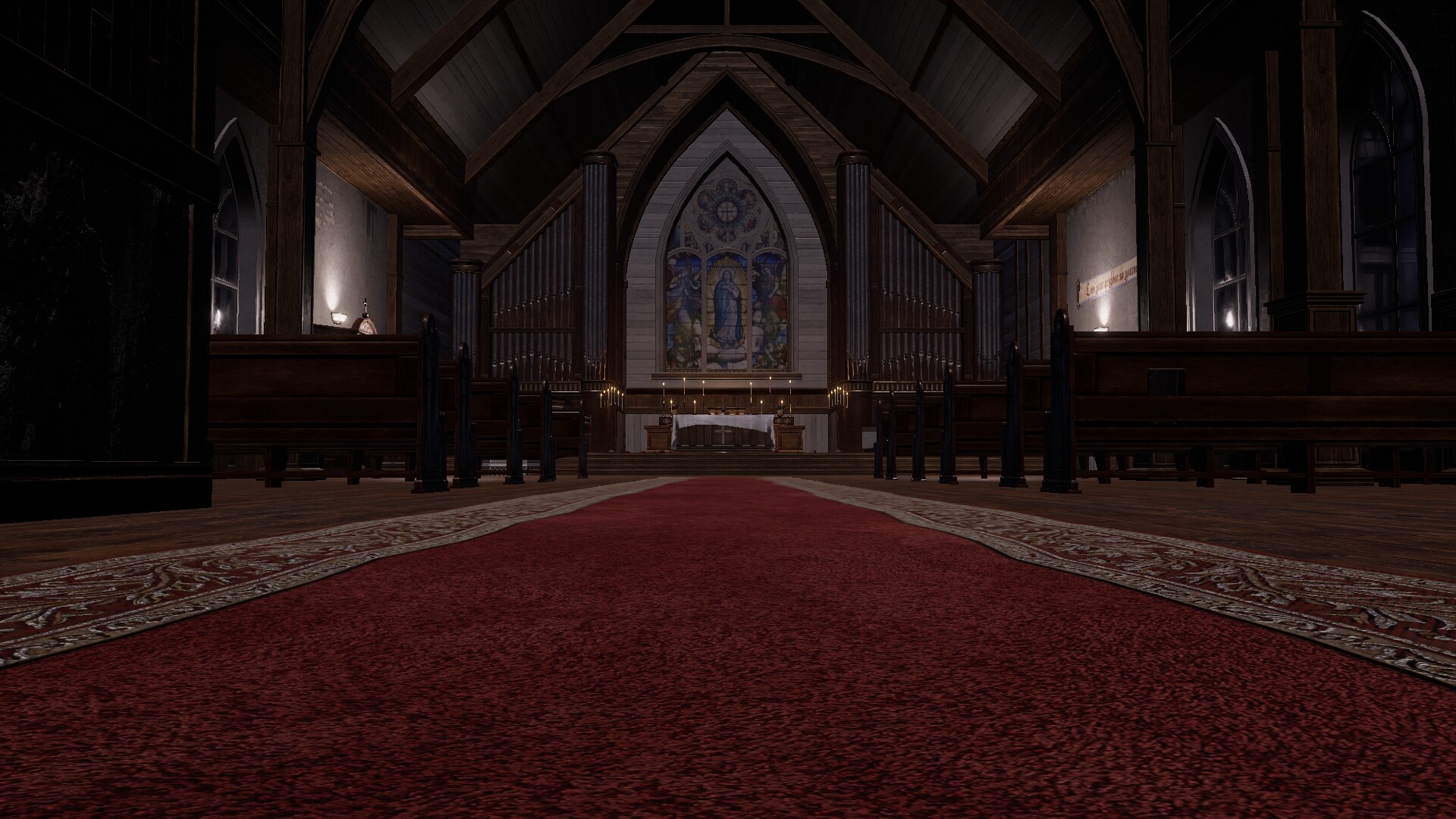
Trace of the Villa invites players into a decaying mansion where Jin — the protagonist introduced on the Steam page — follows manifests and hints that may lead to his missing sister. It’s a story-first, clue-driven mystery released on Steam on 28 May, 2026 from Steadyturtle Co., Ltd., built around environmental forensics and puzzle sequences that reveal a deliberate erasure of identity.

Who, what, when, where, why, and how
- Who: Players who prefer narrative puzzle design over combat, and those who enjoy playing an investigator (Jin) reconstructing a timeline from material traces.
- What: A single-player atmospheric mystery listed on Steam under Action / Adventure / Indie. The official short description frames the premise in search-and-recovery terms: Jin recovers manifests and hints in a remote mansion suggesting his sister may still be alive.
- When / Where: Available on Steam; release date: 28 May, 2026. Find it on its Steam store page for platform and system details.
- Why this theme matters: The game leans into the idea that environments can be evidence: rooms left “as if their occupants vanished mid-routine” create an investigative tone where reading objects replaces reflex-based encounters.
- How you progress: According to the official description, restoring power and reactivating secured systems unlocks compartments and safes; those yields are fragments of encrypted documents and transfer records that together reveal institutional traces. Puzzle solutions therefore function as narrative beats — they unseal context rather than just open the next corridor.
How clue-reading, object logic, and story puzzles shape the experience
Trace of the Villa structures forward motion around information retrieval. The Steam description emphasises restoring systems, unlocking hidden compartments, and decrypting fragments — mechanics that place weight on careful observation and linking discrete pieces of evidence. Rather than a run-and-gun tempo, the game appears to reward pattern recognition (manifests, transfer records, falsified identities) and chaining small discoveries into a broader timeline.
That design tilt affects pacing: progress is measured in revelations. Each solved puzzle is also a contextual reveal; you don’t just gain a key — you learn why the key exists. For players who read environments like texts, this makes the mansion itself the primary interlocutor.

Compact facts — Trace of the Villa
| Title | Trace of the Villa |
|---|---|
| Steam appid | 3483660 |
| Release date | 28 May, 2026 |
| Developer / Publisher | Steadyturtle Co., Ltd. |
| Genres | Action, Adventure, Indie |
| Categories | Single-player; Color Alternatives; Custom Volume Controls; Playable without Timed Input; Subtitle Options; Family Sharing |
| Official premise (short) | Jin searches a remote, decaying mansion for hints that his missing sister may still be alive. |
Who should wishlist Trace of the Villa?
- Players who prefer slow-burn suspense and narrative puzzles to frantic combat.
- Fans of environmental storytelling who enjoy reconstructing events from objects, manifests, and records.
- Those who like detective-style progression where each solved puzzle yields a piece of the timeline rather than merely a mechanical reward.
- Players who value accessibility in pace: the Steam page lists “Playable without Timed Input” and subtitle options, which is useful for methodical playstyles.
Player scenarios — how it can fit your evenings
- Evening unwind: You want a contemplative one-to-two-session play where puzzle solving is meditative; follow the clues room by room and let narrative fragments build tension.
- Investigative marathon: You enjoy keeping notes and maps; Trace of the Villa’s manifests, transfer records, and encrypted fragments encourage cross-referencing discoveries across areas.
- Accessibility-focused play: You need a game without timed inputs and with subtitle options so you can focus on reading and logic at your own pace.
How Trace of the Villa compares — editorial discovery
| Title | Puzzle focus | Exploration style | Pacing / Tone | Player fit |
|---|---|---|---|---|
| Trace of the Villa | Clue-driven puzzles tied to powersystems, safes, manifests | Mansion-scale, forensic reading of rooms and objects | Slow-burn, investigative, atmospheric mystery | Players who prioritise narrative puzzle design and environmental clues |
| The Room | Mechanical puzzle boxes, tactile manipulation | Contained, focused puzzle chambers | Intimate mystery, tactile and precise | Players who like standalone, object-centric puzzles |
| The Room Two | Expanded tactile puzzles across varied locales | Linear but richly detailed locations | Cryptic, atmospheric, puzzle-first | Those who enjoyed the first but want more locations and set-piece puzzles |
| Escape Simulator | Highly interactive object puzzles, physics-driven | Room-by-room escape scenarios, often co-op | Playful, tactile, sometimes frantic | Players who enjoy physical interaction with many items and community-made content |
| Unpacking | Everyday object placement as puzzle and storytelling | Domestic spaces, quiet and observational | Zen, reflective, narrative through objects | Players who prefer low-stress, story-through-objects experiences |
Editorial note: these comparisons focus on puzzle emphasis, exploration style, story tone, and pacing — not on technical superiority or sales figures.
YouTube discovery
If you want trailers or gameplay footage, search for Trace of the Villa on YouTube: https://www.youtube.com/results?search_query=Trace+of+the+Villa+trailer+gameplay. This link is provided as a discovery path; verify any uploaded trailer’s official status on the Steam store page.
View Trace of the Villa on Steam
Disclaimer: referenced titles and trademarks belong to their respective owners; comparisons are editorial discovery only.
Leave a Reply