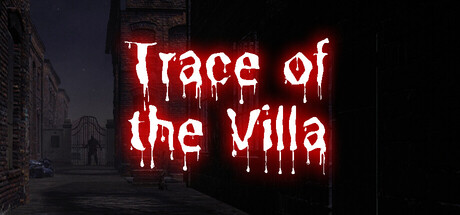
Trace of the Villa: why quiet tension and erased identities matter more than cheap shocks
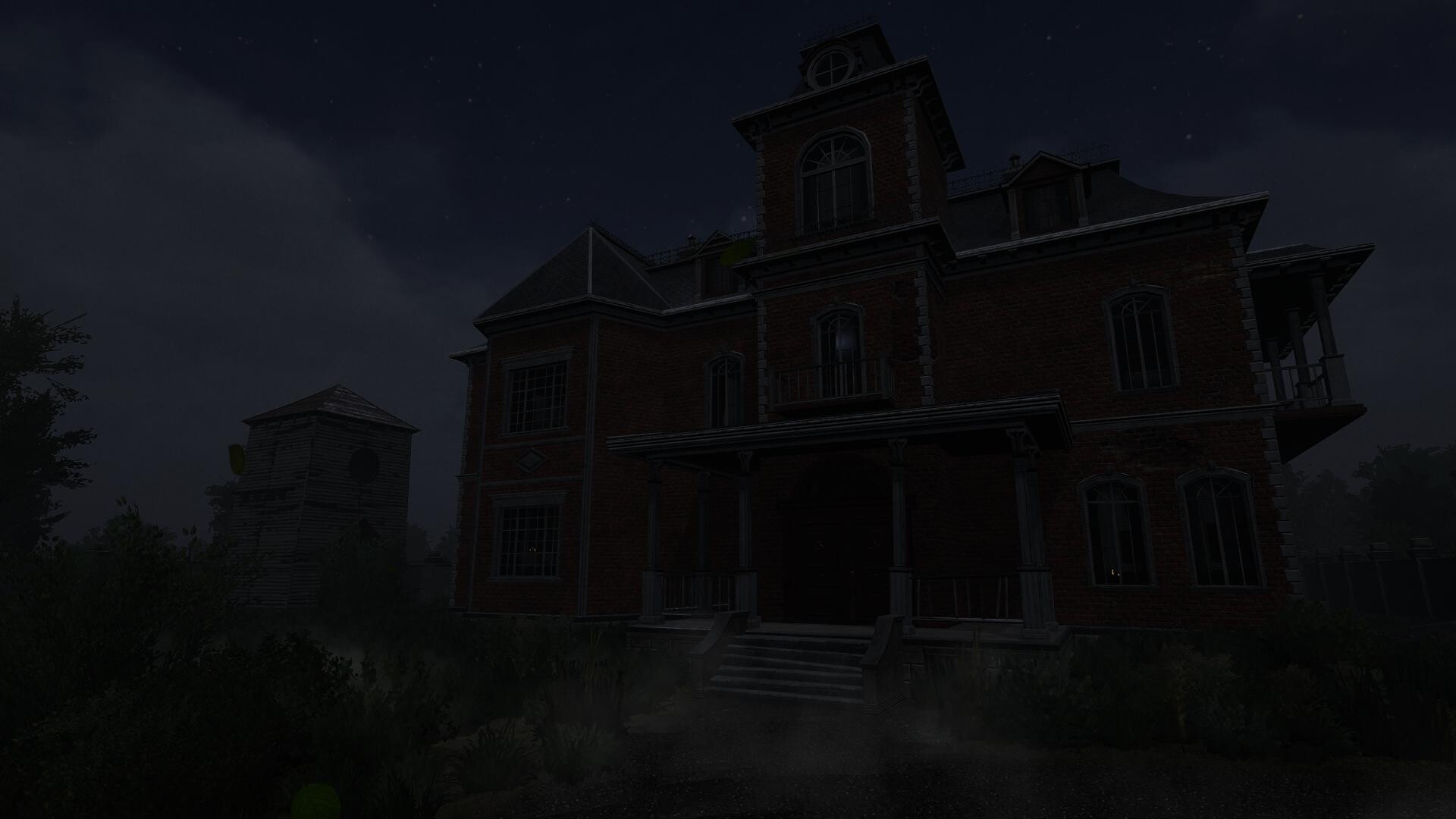
Trace of the Villa quiets the jump-scare drumbeat in favor of slow-burn, clue-driven dread: a decaying mansion, missing people, and the creeping sense that whole lives were scrubbed from history. Released on 28 May, 2026 by Steadyturtle Co., Ltd., it asks players to read rooms as testimony and restore systems to coax secrets out of a deliberately forgotten estate.

Quick facts
| Title | Trace of the Villa |
|---|---|
| Release date | 28 May, 2026 |
| Developer / Publisher | Steadyturtle Co., Ltd. |
| Genres | Action, Adventure, Indie |
| Steam categories | Single-player; Color Alternatives; Custom Volume Controls; Playable without Timed Input; Subtitle Options; Family Sharing |
| Premise (official) | Jin searches a remote, decaying mansion where manifests and hints suggest his missing sister may still be alive; rooms feel “erased,” identities stripped, and secured systems return secrets when power is restored. |
Who is this for?
Trace of the Villa is aimed at players who prefer atmospheric mystery adventure over relentless shock tactics. If you enjoy environmental storytelling, methodical investigation, and narrative puzzle design — reading manifests, restoring power, and tracing falsified records — this is a good match. It also suits anyone who likes their tension drawn out: the unease of gaps in the archive, not just a string of jump scares.
What the game is
Officially described on Steam, Trace of the Villa casts you as Jin, a protagonist whose years-long search for a missing sister leads him to a mansion cut off from the grid. The estate looks occupied but has been stripped of photographs, names, and history — rooms furnished as if people vanished mid-routine. By restoring power and unlocking secured systems, Jin recovers fragments of encrypted documents, suspicious transfers, and a pattern of arrivals and departures masked by falsified identities.
When and where
Trace of the Villa was released on 28 May, 2026 and is available on Steam for PC. The store page lists the developer and publisher as Steadyturtle Co., Ltd., and the game’s Steam categories highlight accessibility options such as subtitle options, custom volume controls, and that it’s playable without timed input.
Why the theme matters: unexplained spaces and identity erasure
Psychological horror that leans on uncertainty gains leverage when the environment itself is the antagonist. In Trace of the Villa the mansion functions like an institutional silence: no names, no photographs, financial trails that “lead nowhere.” That absence converts ordinary rooms into evidence. The game’s central horror isn’t a monster that leaps out; it’s the implication that people’s identities can be erased and their movements hidden. That kind of quiet — the slow accumulation of inconsistencies and missing records — lingers after play in a way jump scares rarely do.
How you play: reading clues, restoring systems, and piecing timelines
Progress relies on exploration and puzzle-driven discovery. The Steam description emphasizes restoring power to the estate to reactivate secured systems, opening hidden compartments and safes, and recovering encrypted documents and transfer records. These are gameplay beats meant to convert environmental detail into narrative momentum: solve a puzzle, unlock a system, reveal a fragment of timeline. The emphasis is investigative rather than reflex-based, supported by Steam tags that note “Playable without Timed Input.”

Player scenarios: who should wishlist this
- Slow-burn suspense fans: You want dread that builds from architecture and paperwork rather than constant frights.
- Environmental storytelling players: You enjoy reading rooms, manifests, and logs to assemble a broken timeline.
- Puzzle/investigation players: You prefer clue-driven progression — restoring systems, unlocking safes, decrypting fragments — over twitch combat.
- Accessibility-minded players: The Steam page lists subtitle options, custom volume controls, color alternatives, and no timed input requirements.
How it compares to nearby mystery and psychological horror titles
Below is a concise editorial comparison on lawful criteria (genre, atmosphere, puzzle/exploration focus, tone, and pacing). These comparisons are meant to help you decide whether Trace of the Villa fits your playstyle.
| Title | Release | Core focus | Atmosphere / Tone | Exploration & puzzles | Pacing / Who it suits |
|---|---|---|---|---|---|
| Trace of the Villa | 28 May, 2026 | Atmospheric mystery adventure; investigative exploration | Decaying mansion; identity erasure; slow, forensic dread | Clue-driven: restore power, unlock systems, decrypt records | Players who like slow-burn suspense and environmental storytelling |
| Amnesia: The Dark Descent | 8 Sep, 2010 | Immersive first-person survival horror | Claustrophobic, dread-heavy; sensory disorientation | Exploration and physics puzzles under threat of monsters | Players wanting extreme immersion and fear escalation |
| SOMA | 21 Sep, 2015 | Sci‑fi psychological horror; existential themes | Submerged, uncanny, philosophically unsettling | Exploration with narrative puzzles and environmental clues | Players looking for story questions about identity and consciousness |
| Layers of Fear (2016) | 15 Feb, 2016 | First-person psychological horror focused on storytelling | Surreal, shifting Victorian mansion; artistic obsession | Exploration that warps space; story puzzles integrated into set pieces | Players who want a strong narrative and highly atmospheric set pieces |
| Poppy Playtime | 12 Oct, 2021 | Horror/puzzle adventure with toy-factory setting | Playful-meets-disturbing; set-piece tension | Puzzle gadget mechanics (GrabPack) and environmental interactions | Players who like mechanical puzzles with horror framing |
YouTube discovery
If you want trailer or gameplay footage, use this YouTube search (do not assume videos found are official): Search Trace of the Villa trailer & gameplay on YouTube.
View Trace of the Villa on Steam
Disclaimer
Referenced titles and trademarks belong to their respective owners. Comparisons in this article are editorial discovery only and not endorsements.
Leave a Reply