
Trace of the Villa — a slow-burn mansion mystery built around locked-room thinking and clue chains
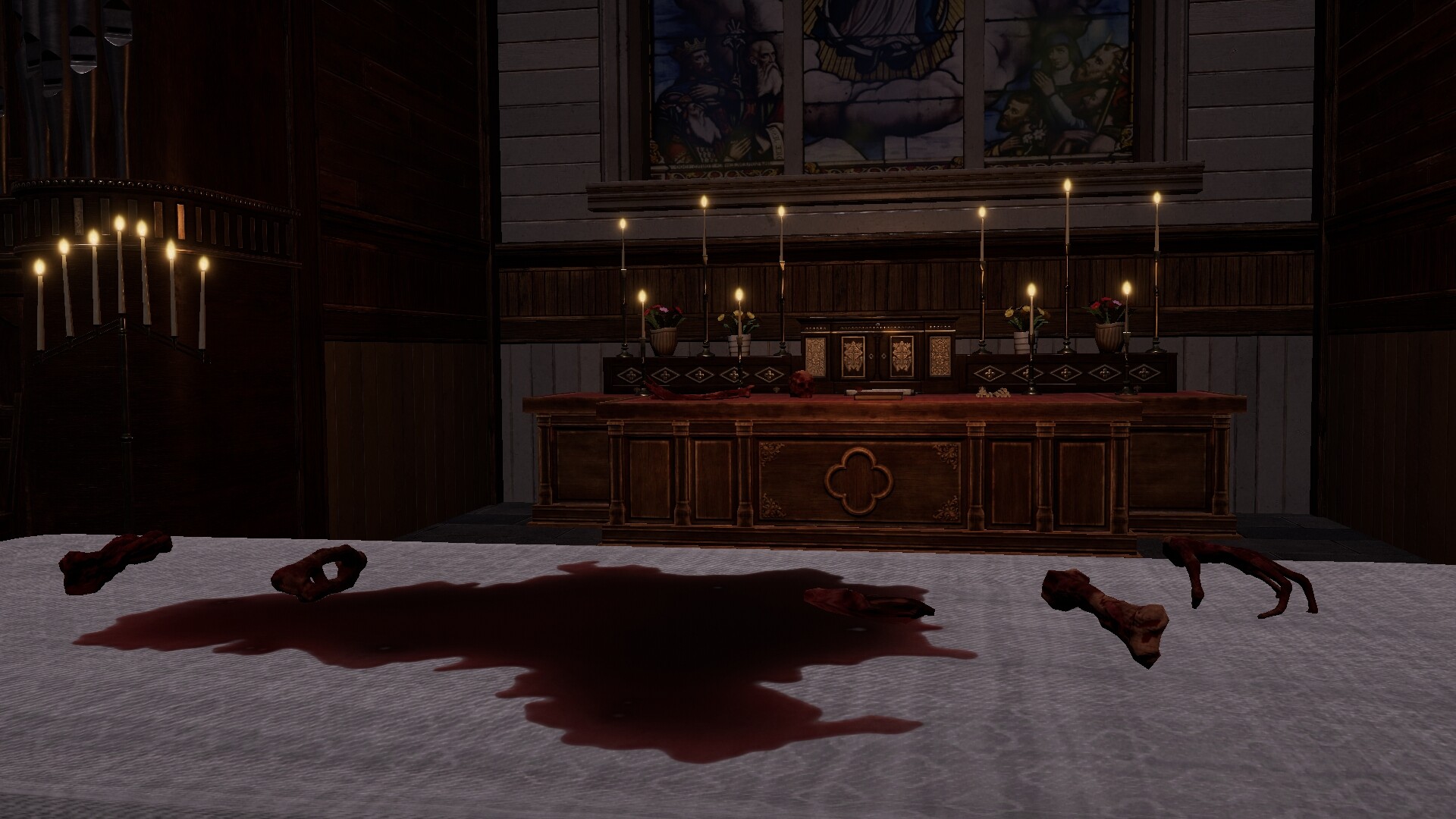
Trace of the Villa places you in a decaying, deliberately forgotten mansion where a determined search for a missing sister becomes an investigation into erased identities and concealed systems. The game’s tools are environmental reading, layered puzzles and progressive restoration of the estate’s secrets — a style aimed at players who prefer methodical clue-driven exploration over action spectacle.

| Title | Trace of the Villa |
|---|---|
| Steam AppID | 3483660 |
| Developer / Publisher | Steadyturtle Co., Ltd. |
| Release date | 28 May, 2026 |
| Genres | Action, Adventure, Indie |
| Notable categories | Single-player; Color Alternatives; Custom Volume Controls; Playable without Timed Input; Subtitle Options; Family Sharing |
| Official short description | Jin has spent years searching for his missing sister, pursuing leads that took him to a remote, decaying mansion where he recovered manifests and hints that indicate his sister may still be alive, somewhere at the end of the trail he is about to follow. |
Who is this for?
If you enjoy atmospheric mystery adventure on PC — a slow-burn mansion mystery that rewards careful note-taking and patterns found in the environment — Trace of the Villa is aimed at you. The game’s Steam categories (single-player, subtitle options, and the option to play without timed input) and its narrative premise suggest it fits players who favour methodical investigation, narrative puzzle design, and psychological investigation rather than twitch reflexes or cooperative escape-room antics.
What the game is (and how it frames puzzles)
Official Steam copy describes a property “cut off from the grid” where Jin recovers manifests, encrypted fragments and transfer records as he restores power and access. Puzzles are embedded in the mansion’s systems: locked doors, hidden compartments and safes that yield fragments of evidence. The progression model, as presented, is as much about reading the environment for narrative context as it is about solving discrete mechanical puzzles — think locked-room thinking and chained clues that open new areas and reveal further documentation.

When and where (Steam specifics)
Trace of the Villa released on Steam on 28 May, 2026. It’s available as a PC title on Steam under appID 3483660 and lists Steadyturtle Co., Ltd. as both developer and publisher.
Why the mansion mystery matters
Mansion-set mysteries rely on concentrated spaces where environmental storytelling can be dense and every object is potentially meaningful. The official description emphasises rooms “furnished as if their occupants vanished mid-routine,” omitted names and falsified identities — ingredients that reward players who enjoy reconstructing timelines and motives from artifacts and systems. For players who like the narrative satisfaction of turning a few small clues into a larger conspiratorial picture, the mansion provides a compact, controlled stage for clue chains to escalate logically.
How you progress: reading, chaining, unlocking
Progress in Trace of the Villa, per the Steam description, emerges from restoring power, reactivating systems and gaining access to locked compartments and safes. That sequence encourages an investigative loop: examine environment → gather manifests and fragments → decrypt or combine pieces → unlock the next area. That pattern aligns with “locked-room thinking” — puzzles that require you to look for interdependencies across rooms and systems rather than rely on isolated minigames.
Comparison: where Trace of the Villa sits among mansion and escape-style games
| Title | Primary focus | Puzzle style | Atmosphere / pacing | Player fit |
|---|---|---|---|---|
| Trace of the Villa | Story-rich mystery; investigation in a decaying mansion | Environmental puzzles, locked doors, document fragments and system restoration | Slow-burn, claustrophobic, investigative | Players who prefer clue chains, reading context and narrative puzzle design |
| The Room | Puzzle-adventure centred on a single mysterious chamber | Mechanical safes and tactile puzzle boxes | Focused, intimate, puzzle-centric | Players who enjoy tactile puzzles and standalone puzzle sets |
| The Room Two | Expanded puzzle adventure across multiple environments | Interconnected puzzle objects and sequential puzzle progression | Exploratory, atmospheric, deliberate pacing | Fans of sequential, interlocking puzzles with strong atmosphere |
| Escape Simulator | First-person interactive escape rooms with heavy player interactivity | Highly interactive physics objects, room-based puzzles, community rooms | Varied tone depending on room; more playful and sandboxy | Players who want tactile interaction, co-op or custom rooms |
| Hi-Fi RUSH | Action rhythm game (included as tonal contrast) | Combat and rhythm mechanics rather than logic puzzles | Fast-paced, kinetic, upbeat | Players seeking action and rhythm-focused play, not investigative puzzles |
Use this table to decide whether you want investigative pacing (Trace of the Villa, The Room Two) or highly interactive escape-room mechanics and social play (Escape Simulator). Hi-Fi RUSH is listed only to contrast action rhythm with investigative puzzle design.
Player scenarios — who should wishlist this
- The patient detective: You keep notes, map relationships between fragments, and treat each unlocked compartment as a narrative payoff. The Steam description’s emphasis on manifests and encrypted fragments signals layered storytelling for this player.
- The atmospheric explorer: You prioritise tone and environmental storytelling — rooms that look lived-in but “erased” will be a primary draw, especially if you enjoy slow reveals from restored systems.
- The puzzle synthesiser: You enjoy chaining clues across contexts rather than isolated puzzle boxes. If you prefer puzzles that alter your access and reshape the mansion’s logic, wishlist this.
- Not ideal if: you want multiplayer co-op escape rooms, fast action or rhythm gameplay as core mechanics — the Steam listing places Trace of the Villa firmly in single-player, narrative investigation territory.
YouTube discovery
If you want trailers or gameplay footage, search YouTube for Trace of the Villa gameplay or trailer. Use this discovery link to start: Trace of the Villa — YouTube search. (This link is provided as a search path; do not assume any single result is an official trailer unless verified.)
View Trace of the Villa on Steam
Disclaimer: Referenced titles and trademarks belong
Leave a Reply