
Trace of the Villa: Where locked‑room thinking meets systems, safes, and erased identities
Jin’s search for a missing sister leads him to a remote, decaying mansion; when he restores power, secured systems and safes start to give up fragments of a deliberately hidden operation. Trace of the Villa blends environmental storytelling and clue‑chain puzzles around power, documents, and locked systems to ask not just who disappeared, but how whole identities were erased.


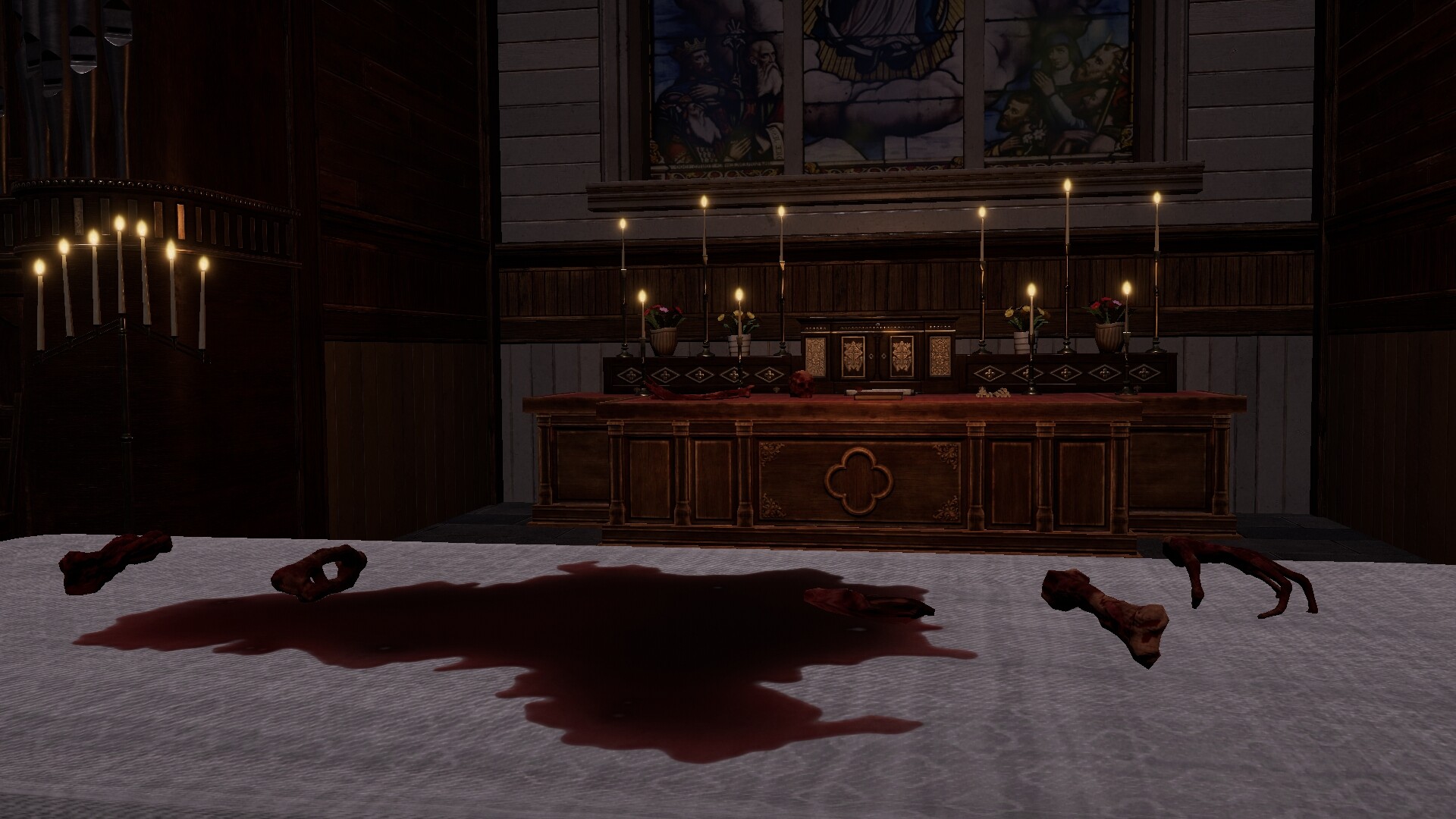
| Title | Trace of the Villa |
|---|---|
| Developer / Publisher | Steadyturtle Co., Ltd. |
| Steam AppID | 3483660 |
| Release date | 28 May, 2026 |
| Genres | Action, Adventure, Indie |
| Categories / Features | Single‑player; Color Alternatives; Custom Volume Controls; Playable without Timed Input; Subtitle Options; Family Sharing |
| Official short premise | Jin recovered manifests and hints in a remote mansion that indicate his sister may still be alive, somewhere at the end of the trail. |
Who this is for
If you prefer slow‑burn, story‑rich adventures that reward environmental reading and systems thinking, Trace of the Villa is aimed at you. It suits players who like methodical clue chains — restoring infrastructure to reveal the next layer of evidence — rather than twitch reflex puzzles or fast, combat-driven progression. The single‑player focus and options for accessibility (subtitles, custom volume, color alternatives) make it approachable for players who prioritize narrative and investigation over frantic gameplay.
What the game is — official premise and mechanics you can expect
Officially, Trace of the Villa stars Jin, who follows a lead to a property cut off from the grid and “deliberately forgotten.” The mansion’s rooms look like lives were interrupted; photographic records and names are absent. When Jin restores power, “secured systems come back online. Hidden compartments unlock. Safes yield fragments of encrypted documents and suspicious transfer records.” Those official elements — power, systems, safes, and documents — shape the game’s puzzle loop: recover infrastructure, access locked storage, and piece together timelines from fragmented records.
When & where — Steam availability
Trace of the Villa released on 28 May, 2026 and is published on Steam by Steadyturtle Co., Ltd. If you want to follow Jin’s investigation on PC, you can view the store page and wishlist it on Steam:
Why this theme matters: erased identities and institutional systems
The game’s central conceit — a place where identities and records have been actively removed — gives the puzzles greater moral weight. Financial trails that “lead nowhere,” falsified identities, and evidence of people moving under strict control are not just set dressing; they turn object examination into a form of witness testimony. Restoring power is narratively meaningful: it doesn’t just brighten the rooms, it brings buried systems back to life and converts inaccessible silence into readable traces.
How you read clues and progress
- Start by restoring infrastructure. Official copy highlights restoring power as a trigger for discovery; expect systems that remain inert until you supply power or otherwise reactivate them.
- Use environmental reading. Rooms “remain furnished as if their occupants vanished mid‑routine” — details in the scene are part of the narrative evidence, not mere set dressing.
- Open secured containers. Locked doors, safes, and hidden compartments yield encrypted documents and transfer records; breaking through those layers produces new leads.
- Chain clues into timelines. Fragments of manifests and records should be combined to form arrival/departure windows and to expose falsified identities or transfers.
Those mechanics reward players comfortable with detective-style patience: gather fragments, cross‑reference documents, and use recovered systems to access the next tier of clues.
Player scenarios — who should wishlist
- Environmental readers: You like piecing story from staged domestic details and partial documents. Trace of the Villa explicitly removes names and photos, so expect narrative inference.
- Systems solvers: You enjoy reactivating infrastructure (power, terminals, locked systems) as a primary progression method rather than obtaining new tools or levels.
- Slow‑paced mystery fans: If you prefer slow, psychological investigation and the creeping feel of a mansion that should have history but feels erased, this fits your tempo.
- Not ideal for action-first players: Although listed under Action/Adventure, the design emphasis in official materials is on secured systems and documents; players expecting continuous combat sequences should temper expectations.
How Trace of the Villa compares — editorial discovery table
| Title | Genre / Core focus | Atmosphere & Tone | Puzzle focus | Exploration style | Pacing & player fit |
|---|---|---|---|---|---|
| Trace of the Villa | Action / Adventure / Indie — narrative investigation | Atmospheric mansion mystery; erased identities; slow burn suspense | Systems, safes, encrypted documents; clue chains from restored infrastructure | Exploratory, room‑based, evidence‑driven | Patient players who like environmental storytelling and methodical puzzle chains |
| The Room | Adventure / Indie | Secluded, tactile, uncanny | Mechanical safes and inspection‑based puzzles |
YouTube discoveryFor trailer and gameplay discovery, use YouTube search rather than relying on unverified embeds: Find Trace of the Villa trailer and gameplay searches on YouTube. CommentsMore posts |
Leave a Reply