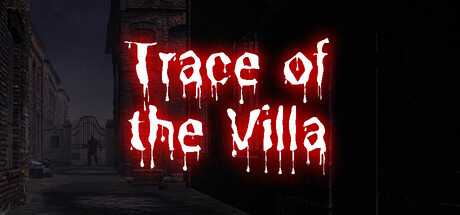
Trace of the Villa — a story-first mansion mystery for players who want to piece people back together
Trace of the Villa drops you into Jin’s long, personal search for a missing sister inside a remote, decaying mansion; the house refuses to be read at first, and the act of coaxing it into speech—restoring power, unlocking safes, decrypting manifests—becomes the primary way the story surfaces. Released 28 May, 2026 by Steadyturtle Co., Ltd., this Action/Adventure/Indie title leans on environmental storytelling and clue-driven exploration to make meaning feel earned rather than handed to the player.

Who, what, when, where, why, and how
Who is this for?
Players who prioritize story-first mystery design: you like slowly assembling a narrative from fragments, following financial traces, manifests, and encrypted documents; you prefer investigation over combat theater and want puzzles that reveal human detail rather than abstract challenges. If psychological investigation, slow-burn suspense, and atmospheric mansion mysteries appeal to you, this is aimed at that audience.
What is the game?
Trace of the Villa centers on Jin, who discovers a lead that points to a deliberately forgotten mansion. Inside, rooms look as if occupants vanished mid-routine; identities are conspicuously absent. Restoring the estate’s systems reveals hidden compartments, encrypted documents, and transfer records that point toward a larger, concealed operation. The official short description: “Jin has spent years searching for his missing sister, pursuing leads that took him to a remote, decaying mansion where he recovered manifests and hints that indicate his sister may still be alive, somewhere at the end of the trail he is about to follow.”
When and where is it available?
Trace of the Villa released on Steam on 28 May, 2026. It’s published and developed by Steadyturtle Co., Ltd. (PC/Steam storefront context).
Why does the theme matter?
Thematically the game trades on erasure and reconstruction: emptied rooms, missing names, falsified identities, and financial trails that go cold. That design choice turns every small discovery into narrative currency—finding a ledger entry or restoring a security terminal doesn’t just open a door mechanically; it reintroduces a life the mansion tried to swallow. For players who want emotional stakes tied to investigative beats, the theme makes clues feel consequential.
How do players progress and read clues?
According to the official description, progression is driven by investigation and system restoration: Jin powers the estate back on, secured systems come online, safes and hidden compartments yield documents and manifests, and encrypted fragments connect to a timeline. In practice, that suggests a design where environmental cues, recovered records, and unlocked systems are the primary engines of forward momentum—puzzle-solving as narrative archaeology rather than isolated logic tests.
Visuals and mood

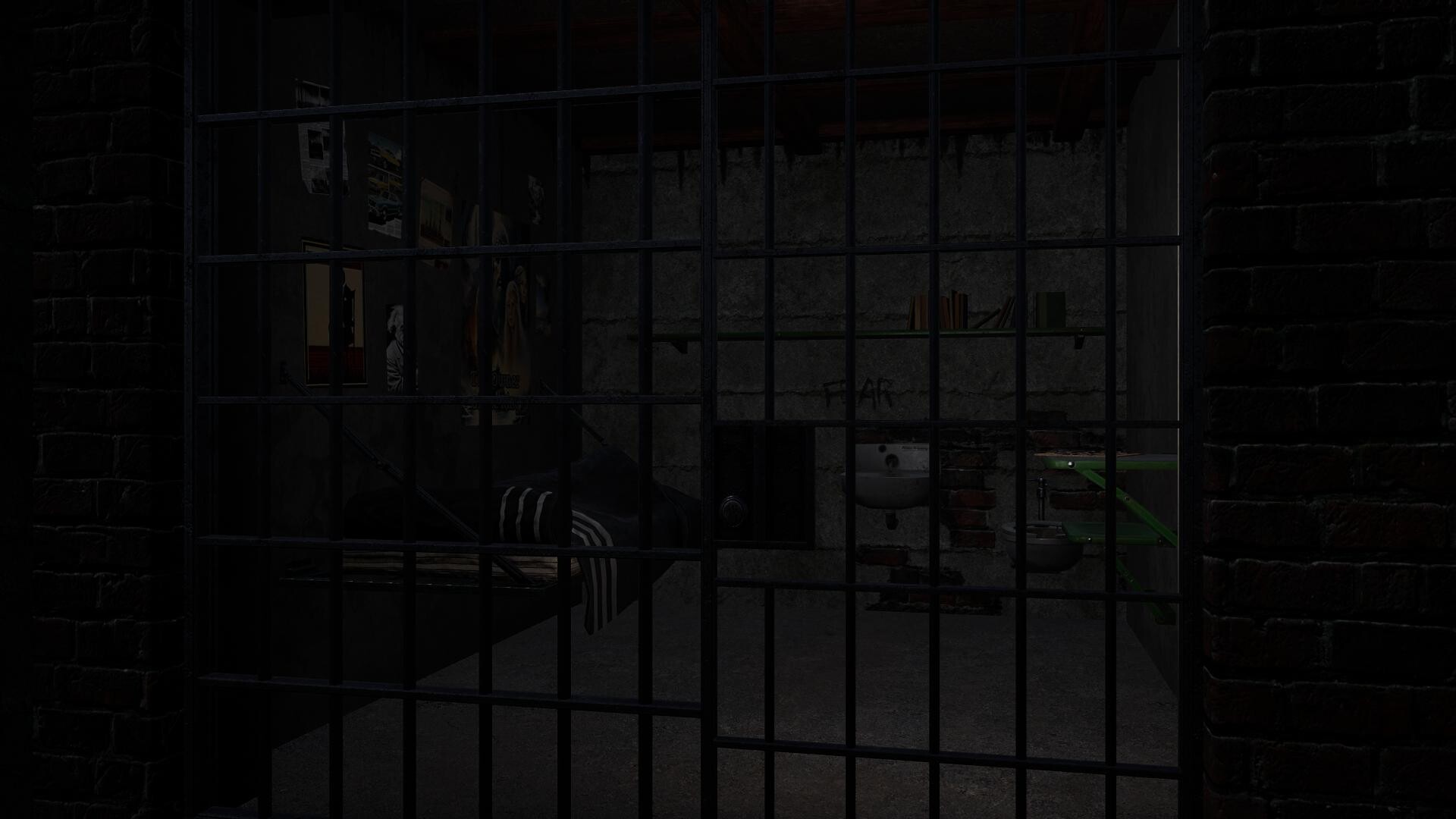
Compact facts: Trace of the Villa
| Title | Trace of the Villa |
|---|---|
| Steam App ID | 3483660 |
| Release date | 28 May, 2026 |
| Developer / Publisher | Steadyturtle Co., Ltd. |
| Genres | Action, Adventure, Indie |
| Key Steam categories | Single-player; Color Alternatives; Custom Volume Controls; Playable without Timed Input; Subtitle Options; Family Sharing |
| Premise (official) | Jin searches for his missing sister in a remote, decaying mansion and recovers manifests and hints that suggest she may still be alive. |
Who should wishlist this — player scenarios
Scenario A — The slow-burn investigator
You enjoy extracting story from objects and logs, and you don’t need immediate narrative payoffs. If you like methodical progression—restoring systems, decrypting notes, and watching the fiction reassemble as you solve environmental puzzles—Trace of the Villa fits.
Scenario B — The atmospheric explorer
You value tone and mise-en-scène: creaky corridors, rooms staged as if interrupted, and a sense that the house itself is the primary character. The game’s mansion setting and the emphasis on recovery over exposition will appeal to you.
Scenario C — The narratively driven action/adventure player
You want investigation plus movement: an action/adventure scaffold that supports story-first beats. With Action and Adventure listed among its genres, the title targets players who appreciate both pacing and discovery rather than pure puzzle-room constraint.
How it compares to other story-first mysteries
Below is a concise editorial comparison focused on genre, atmosphere, puzzle emphasis, exploration style, story tone, and pacing. These are editorial observations for discovery and fit—not claims of superiority.
| Title | Primary genre | Atmosphere | Puzzle focus | Exploration style | Story tone | Pacing / Player fit |
|---|---|---|---|---|---|---|
| Trace of the Villa | Action / Adventure / Indie | Mansion-bound, decaying, investigative | Clue-driven: manifests, encrypted docs, power/systems | Indoor, environmental, reveal-by-restoration | Personal, investigatory, procedural unmasking | Slow-burn discovery for narrative-first players |
| Inscryption | Adventure / Indie / Strategy | Inky, oppressive, card-table psychological horror | Deckbuilding meets escape-room puzzles | Abstracted, meta-layered scenes | Psychological, surreal, meta-narrative | Puzzle-heavy, emergent revelations; fits players who like rules to turn narrative |
| Outer Wilds | Action / Adventure | Open solar system, quietly uncanny | Physics/observation-driven puzzles | Open-world, systemic exploration | Cosmic mystery, discovery-focused | Exploratory, patient players who enjoy learning systems |
| Journey | Adventure / Indie | Minimalist, meditative, awe-focused | Environmental signals, traversal-based | Linear-but-open-feeling landscapes | Mythic, contemplative | Short-session, emotional exploration; players seeking mood over explicit narrative |
| The Forgotten City | Adventure / Indie / RPG | Ancient, morally weighty | Logic and narrative puzzles tied to time mechanics | Explorative, narrative loops | Philosophical, investigatory | Players who like narrative puzzles and branching consequences |
| The Medium | Adventure | Psychological, dual-realm eerie | Puzzle-solving across real and spirit realms | Mixed-realm navigation, story-led | Psychological horror with reflective themes | Fans of atmospheric horror and dual-reality mechanics |
Where to watch a trailer or gameplay
Search for trailers and gameplay footage via this YouTube discovery link (useful for finding developer trailers and playthroughs): View Trace of the Villa on Steam
YouTube discovery
For trailer and gameplay discovery, use YouTube search rather than relying on unverified embeds: Find Trace of the Villa trailer and gameplay searches on YouTube.
Leave a Reply