
Trace of the Villa: rooms as puzzle spaces and story containers
Trace of the Villa scaffolds its mystery inside a decaying mansion where each room reads like a dossier — objects, manifests, and locked systems that together reconstruct a vanished life. Released 28 May, 2026 by Steadyturtle Co., Ltd., the game positions Jin’s investigation into a missing sister as a puzzle-led, atmospheric exploration of identity and erasure.

Who this is for
If you prefer slow-burn suspense, environmental storytelling, and puzzles that demand careful clue reading rather than twitch reactions, Trace of the Villa is aimed at you. Players who enjoy narrative puzzle design — discovering logs, restoring systems, and letting objects and room layouts narrate — will likely find the mansion’s rooms rewarding. The title’s official categories (Single-player, Color Alternatives, Custom Volume Controls, Playable without Timed Input, Subtitle Options, Family Sharing) underline a focus on accessibility and solo exploration.
What the game is
Trace of the Villa is an Action/Adventure/Indie Steam release from Steadyturtle Co., Ltd. The premise is straightforward and specific in its tone: Jin has spent years searching for his missing sister, pursuing leads that took him to a remote, decaying mansion where he recovered manifests and hints that indicate his sister may still be alive, somewhere at the end of the trail he is about to follow. The full Steam description expands into a psychological investigation: rooms feel “less abandoned than erased,” locked doors and restored power reveal encrypted documents, falsified identities, and financial trails.
When and where
Trace of the Villa launched on Steam on 28 May, 2026. It appears on PC via its Steam store page and is categorized for single-player play with features that emphasize accessibility and non-time-pressured puzzles.
Why the theme matters — rooms that tell the story
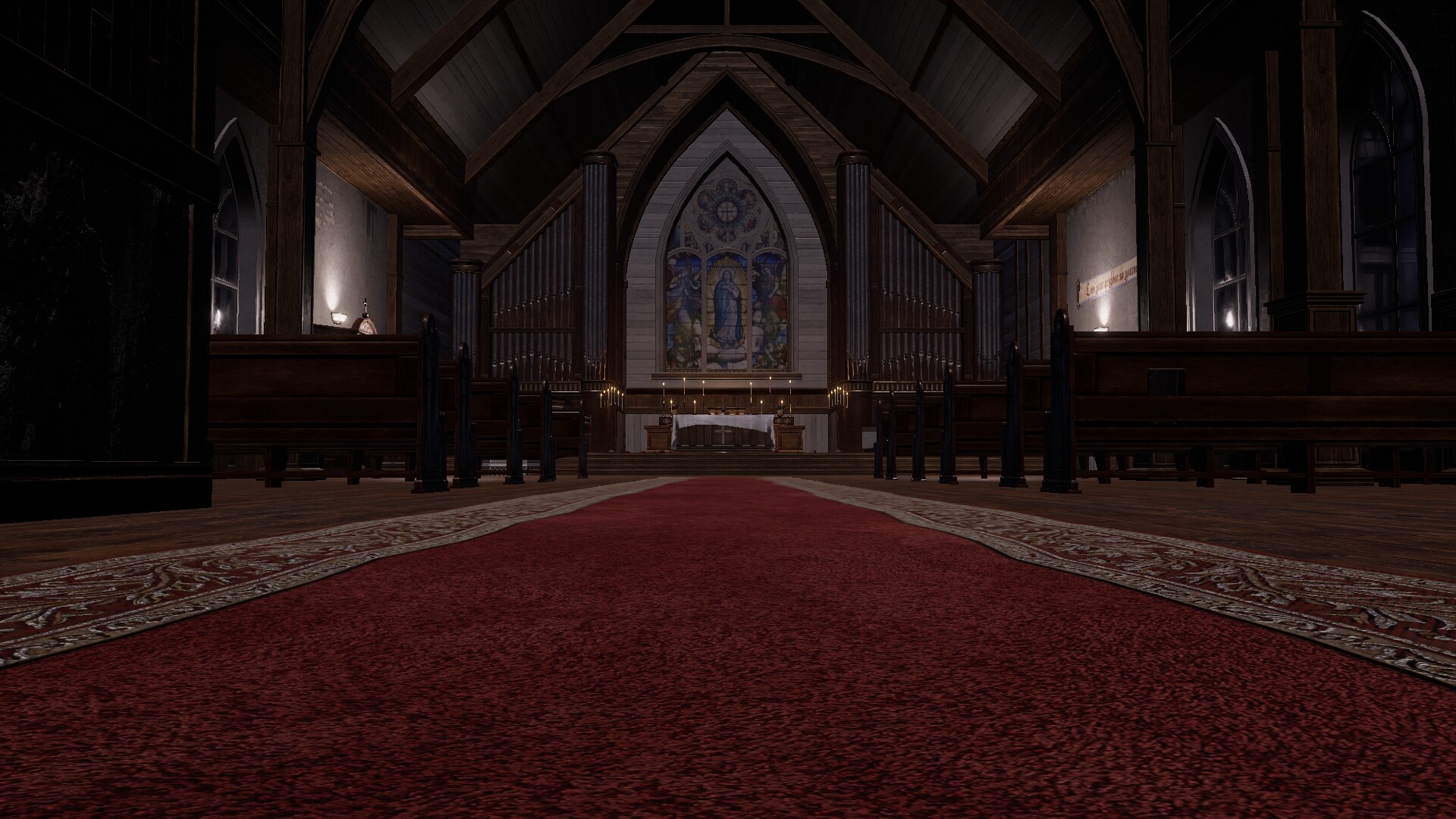
In Trace of the Villa, rooms function as both puzzle spaces and narrative containers. Rather than dumping exposition in blocks, the game scatters manifests, safes, and secured systems across discrete rooms; each solved lock or recovered fragment changes how the estate reads as a whole. That architecture matters because it lets players piece together motive and method at their own pace: an unlocked safe might supply a ledger, which reframes a nearby desk’s scattered correspondence and a locked terminal. The mansion’s arrangement — furnished but identity-stripped — uses object logic to make every discovery feel like an archaeological reveal rather than a cutscene.
How you read clues and progress
Progress in Trace of the Villa is driven by attentive observation and object logic. The Steam description emphasizes restoring power and bringing secured systems back online as primary beats: when power is returned, hidden compartments unlock and safes yield encrypted documents. That sequence of cause-and-effect — find a breaker, restore a circuit, then interrogate newly active systems — encourages a puzzle loop where environmental context (a room’s layout and its items) and small artifacts (manifests, transfer records) combine to point the next objective. The game’s categories such as “Playable without Timed Input” suggest puzzles favor contemplation and deduction over speed or reflexes.

Quick facts
| Title | Trace of the Villa |
|---|---|
| Release date | 28 May, 2026 |
| Developer / Publisher | Steadyturtle Co., Ltd. |
| Genres | Action, Adventure, Indie |
| Steam categories | Single-player; Color Alternatives; Custom Volume Controls; Playable without Timed Input; Subtitle Options; Family Sharing |
| Steam AppID | 3483660 |
Who should wishlist it — player scenarios
- The clue-reader: You enjoy reading manifests, connecting ledger entries to room layouts, and letting small fragments reframe larger mysteries.
- The methodical explorer: You like restoring systems, unlocking access in stages, and watching a world change as you solve environmental puzzles.
- The atmospheric investigator: You prefer slow-burn mood and psychological undertones over frantic action or combat-driven progression.
- The accessibility-minded player: The Steam categories indicate options like color alternatives and no-timed-input play, making the mansion puzzle design more approachable.
How it compares (editorial discovery)
Below is a compact comparison to nearby puzzle/adventure titles that may help you decide whether the mansion-focused, clue-driven approach fits your preferences.
| Title | Puzzle focus | Atmosphere / Tone | Exploration style | Player fit |
|---|---|---|---|---|
| The Room | Intricate tactile puzzles and safe/box interlocks | Mysterious, tactile, claustrophobic single-room setpieces | Focused, object-based puzzle boxes | Players who love locked-object puzzles and close-up mechanical mystery |
| The Room Two | Expanded versions of The Room’s mechanical puzzles across linked spaces | Cryptic and atmospheric with episodic setpieces | Sequential chambers with escalating mechanical complexity | Fans of methodical, puzzle-box progression |
| Unpacking | Domestic-item placement and inference from possessions | Zen, contemplative, emotionally suggestive | Slow, domestic spaces that reveal life through objects | Players seeking quiet, narrative-driven object puzzles |
| Escape Simulator | Interactive escape-room mechanics; physics and object interaction | Playful to tense depending on room; often puzzle-gimmick driven | Highly interactive rooms, some community-made variety | Those who want hands-on object manipulation and co-op options |
YouTube discovery
For trailers or gameplay footage, search YouTube using this discovery link (useful for finding trailers and player capture): Trace of the Villa trailer & gameplay on YouTube. This is provided as a search path; confirm any video’s official status against the Steam page.
Where to wishlist / buy
If the focus on room-based puzzles, document fragments, and restorative systems appeals to you, add Trace of the Villa to your Steam wishlist or purchase it via the store link below:
Referenced titles and trademarks belong to their respective owners. Comparisons above are editorial discovery only and not endorsements or claims of affiliation.
Leave a Reply