
Trace of the Villa: why quiet tension and erased identity matter more than shock claims
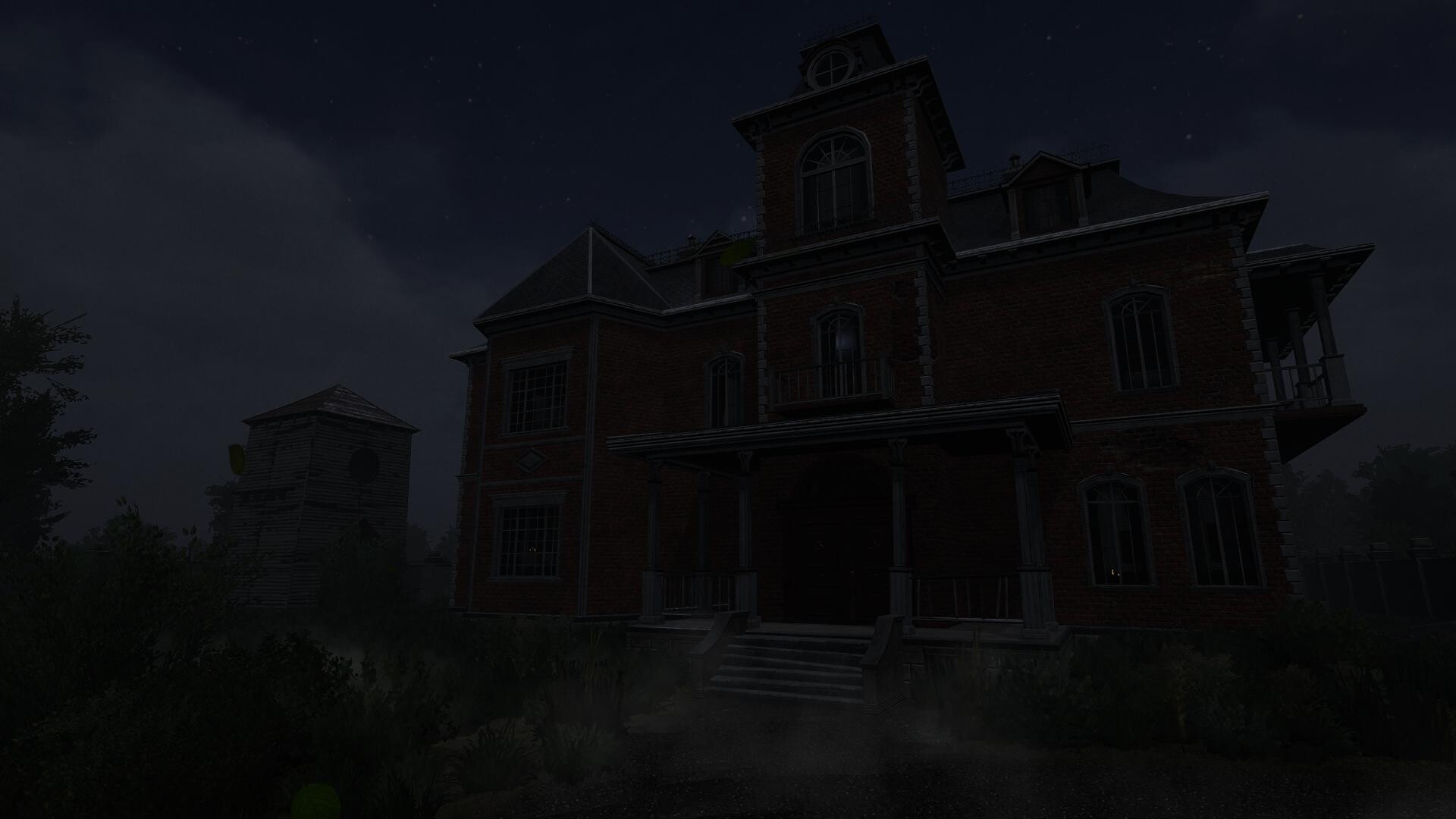
Trace of the Villa places Jin — a man hunting for his missing sister — in a remote, decaying mansion where rooms look lived-in but names, photographs and histories have been scrubbed away. The game foregrounds atmospheric suspense and clue-driven exploration: power restored, locked systems awakened, and a trail of falsified identities and financial irregularities that turn a personal investigation into a broader mystery.

Quick facts
| Title | Trace of the Villa |
|---|---|
| Release date | 28 May, 2026 |
| Developer / Publisher | Steadyturtle Co., Ltd. |
| Genres | Action, Adventure, Indie |
| Categories / Features | Single-player; Color Alternatives; Custom Volume Controls; Playable without Timed Input; Subtitle Options; Family Sharing |
| Steam store | Trace of the Villa on Steam |
Who this is for
Players who favor slow-burn, atmospheric mystery adventures over jump-scare pacing. If you value environmental storytelling, deliberate exploration and puzzle work that unearths fragments of a wider conspiracy, Trace of the Villa is designed for that temperament. It’s suited to story-first PC players who will linger in rooms to read manifests, examine encrypted fragments, and follow financial traces rather than sprint through action set-pieces.
What the game actually is
Officially described on Steam, Trace of the Villa opens with Jin locating a forgotten estate and recovering manifests and hints that his missing sister “may still be alive, somewhere at the end of the trail he is about to follow.” The manor feels “less abandoned than erased”: belongings remain, but names and photographs are gone. As Jin restores power and unlocks secured systems, the house yields encrypted documents, suspicious transfer records and evidence of falsified identities. That premise frames an experience where investigation and interpretation drive tension more than overt horror set-pieces.
When and where
Trace of the Villa released on 28 May, 2026 on Steam for PC. The Steam store lists platform-appropriate accessibility features such as subtitle options and custom volume controls, and the page indicates single-player presentation with family-sharing enabled.
Why the theme of identity erasure matters
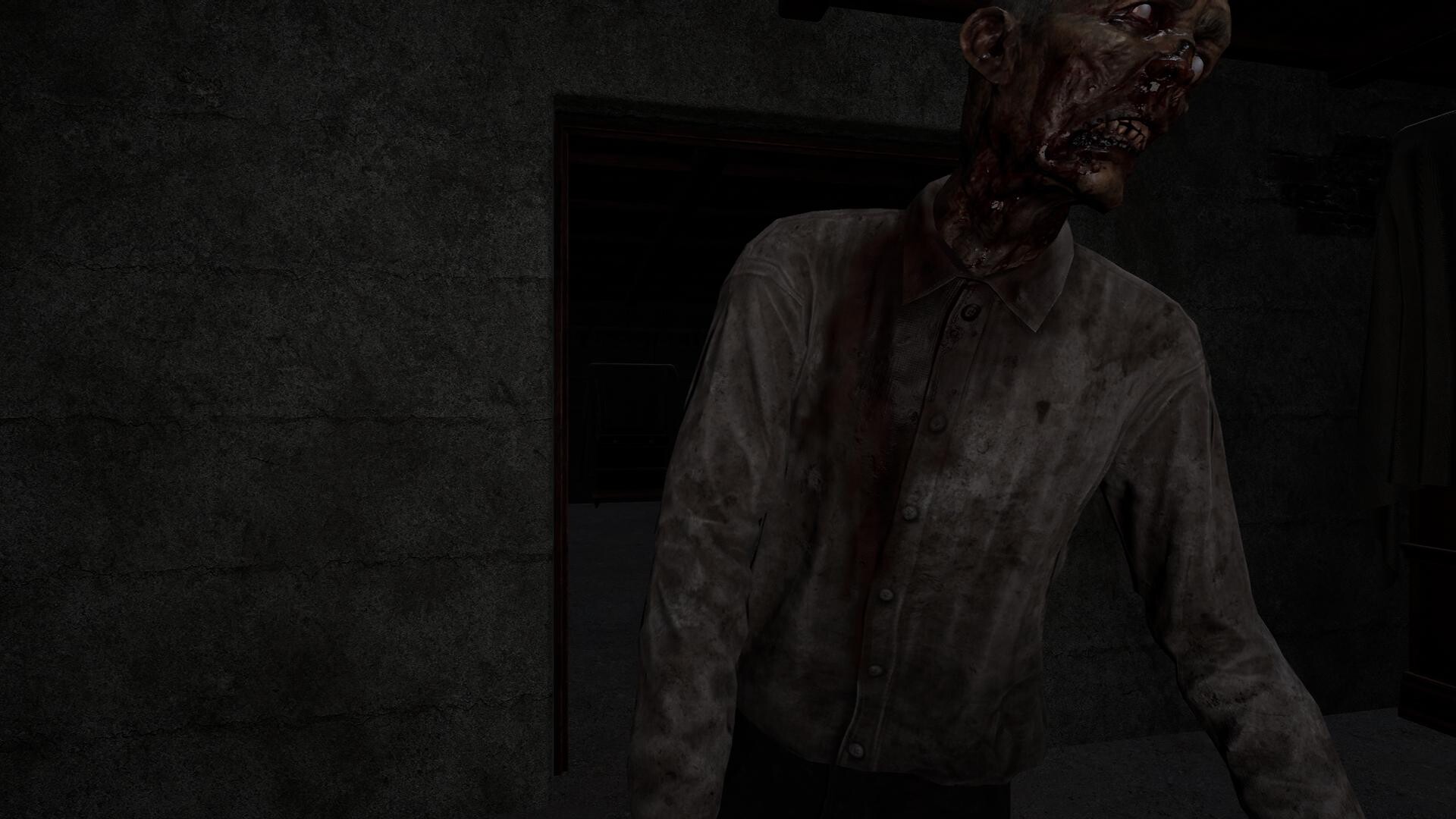
Psychological unease in games often comes from uncertainty about what is real; Trace of the Villa chooses a subtler tack. Instead of grotesque imagery or constant shocks, the mansion’s deliberate removal of names and histories creates a sustained, cognitive dissonance: rooms suggest routine lives but offer no anchors for sympathy or memory. That erasure transforms familiar exploration tropes into investigative labor — the player becomes a forensic reader of place, making the slow accumulation of small, meaningful details the primary instrument of dread.
How you play and progress
The Steam description emphasizes restoring estate systems, opening hidden compartments and solving puzzles that reveal fragments of encrypted documents and transfer records. Progression is clue-driven: power and systems returning online physically change what the mansion reveals, and each solved puzzle or unlocked safe yields more context for Jin’s search. Mechanically this suggests a mix of environmental puzzles, inventory or document analysis, and narrative beats that are unlocked by interacting with the house’s infrastructure rather than by combat escalation.
Player scenarios — who should wishlist it
- Scenario A — You like slow-burn investigation: You’ll appreciate the game if you prefer reading manifests, restoring systems and letting atmosphere simmer rather than reacting to frequent scare triggers.
- Scenario B — You want story-driven exploration: If your ideal session is uncovering a hidden operation piece by piece and following a personal lead (a protagonist searching for a sibling), this scratches that itch.
- Scenario C — You prioritize accessibility of pacing: The Steam page lists “Playable without Timed Input” and subtitle options, making it a fit for players who want control over the tempo of suspenseful scenes.
- Scenario D — You prefer environment-first horror: If you’re drawn to spaces that feel “erased” and want to interpret what’s missing as much as what’s present, the mansion’s design appears to foreground that ambiguity.
How it compares to nearby titles
Below is a compact editorial comparison focused on atmosphere, puzzle focus, exploration style and pacing. This is an editorial discovery to help readers decide which experience they prefer; it is not an endorsement.
| Game | Release | Primary atmosphere / focus | Exploration & puzzle style | Pacing / tone |
|---|---|---|---|---|
| Trace of the Villa | 28 May, 2026 | Mansion mystery, identity erasure, investigative atmosphere | Clue-driven, restoring systems, unlocking encrypted fragments | Slow-burn, suspenseful, investigative |
| Amnesia: The Dark Descent | 8 Sep, 2010 | Immersive first-person survival horror | Environment-based puzzles and survival mechanics | Tense, vulnerability-driven; high-friction immersion |
| SOMA | 21 Sep, 2015 | Sci-fi existential horror beneath the ocean | Exploration and narrative puzzles that ask philosophical questions | Slow to mid-paced; introspective and unsettling |
| Layers of Fear (2016) | 15 Feb, 2016 | Psychological horror in a shifting Victorian mansion | Story and environment puzzles with a focus on narrative fragmentation | Psychological, atmospheric, variable pacing tied to story beats |
| Poppy Playtime | 12 Oct, 2021 | Horror/puzzle adventure in an abandoned toy factory | Puzzle devices (GrabPack) and exploration with threat encounters | Often more overtly gamey and scripted in scares and encounters |
YouTube trailer / gameplay discovery
For trailers or community gameplay on YouTube, search results can be found here: Trace of the Villa — YouTube search. Note: use this search as a discovery path; Steam assets above are the verified official images.
Final take — should you wishlist it?
Wishlist Trace of the Villa if you prefer atmospheric
Leave a Reply