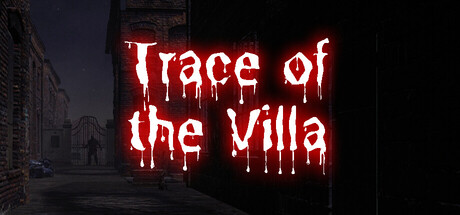
Who should consider Trace of the Villa after enjoying atmospheric mystery adventures
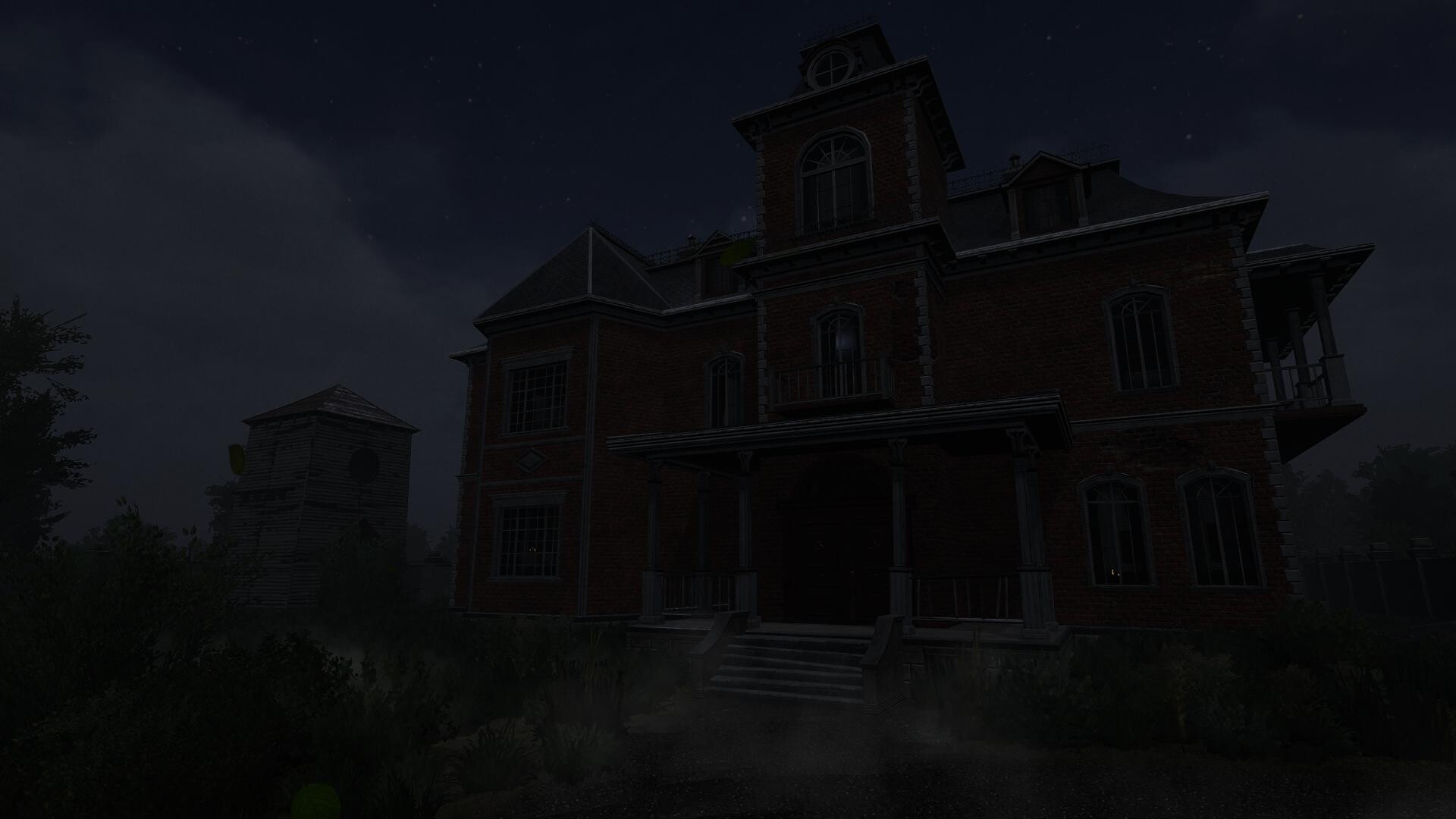
Trace of the Villa is a slow-burn, clue-driven investigation set in a remote, decaying mansion where Jin follows fragments of evidence that may lead to his missing sister. If you prize environmental storytelling, forensic curiosity, and methodical exploration over jump scares or twitch reflexes, this Steam indie release is tailored to that appetite.

Quick facts
| Title | Trace of the Villa |
|---|---|
| Release date | 28 May, 2026 |
| Developer / Publisher | Steadyturtle Co., Ltd. |
| Genres | Action, Adventure, Indie |
| Steam categories | Single-player; Color Alternatives; Custom Volume Controls; Playable without Timed Input; Subtitle Options; Family Sharing |
| Premise | Jin searches a remote, decaying mansion after leads suggest his missing sister may still be alive. |
What Trace of the Villa is
According to the Steam page, Trace of the Villa puts you in the shoes of Jin as he combs a property deliberately cut off from the grid. The game emphasizes environmental evidence: restored power reveals locked compartments, encrypted fragments, and suspicious transfer records. The core loop is investigative rather than action-heavy — you read manifests and reconstruct timelines to follow a trail.
Who it’s for
This is for players who enjoy:
- slow-burn suspense and mansion mystery where atmosphere and pacing build tension;
- forensic curiosity — interpreting documents, systems, and spatial clues rather than relying on combat or timed inputs;
- exploration-driven narrative puzzles and environmental storytelling that reward careful observation;
- a single-player experience with accessibility options such as subtitle support and controls for non-twitch play.
When and where to play
Trace of the Villa is available on Steam with a release date of 28 May, 2026. It’s presented as a PC Steam indie title (developer and publisher: Steadyturtle Co., Ltd.), and the Store page lists single-player and customization categories that suit a PC mystery-adventure audience.
Why its theme matters
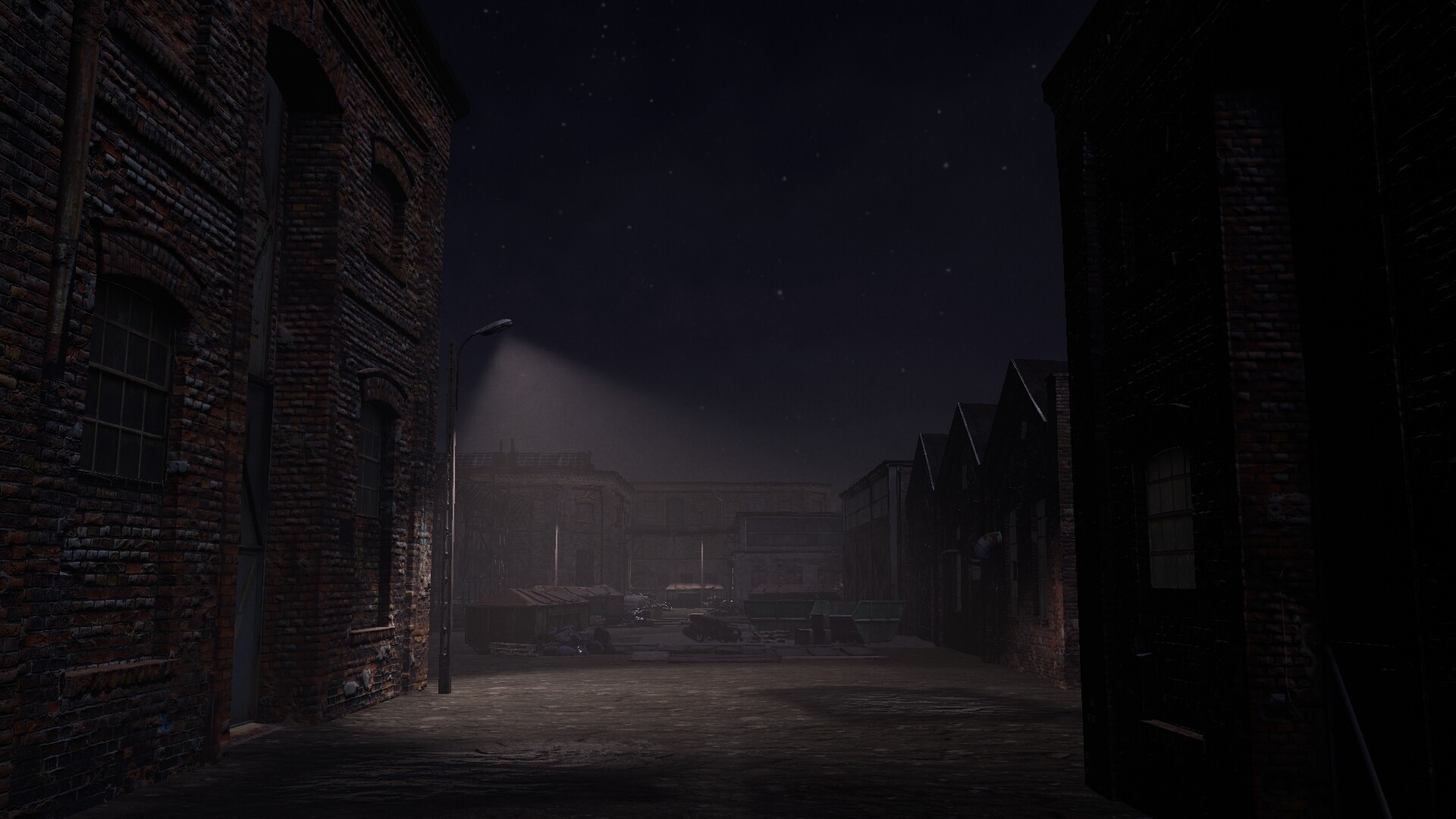
Abandoned estates and erased identities are fertile ground for environmental storytelling: a furnished room with missing names invites reconstruction of lives from objects, manifests, and power logs. If you enjoy the psychological weight that comes from reading a setting as evidence, Trace of the Villa leans into that forensic approach more than spectacle, making the mansion itself the principal storyteller.
How you progress — the investigative loop
From the official Store description, progression centers on recovering manifests, restoring power, and decrypting fragments to reveal financial trails and false identities. That translates to a gameplay rhythm of observe → restore/access → analyze → follow a new lead. Puzzles are likely narrative and inventory-adjacent rather than speed-based, supported by the Store note that the game is playable without timed input.
How it compares to nearby mystery/adventure games
Below is a compact editorial comparison to help you decide if Trace of the Villa matches your tastes. These comparisons focus on genre, atmosphere, puzzle emphasis, exploration style, story tone and pacing — not claims of superiority.
| Title | Genre / Focus | Atmosphere | Puzzle / Investigation | Exploration style | Pacing |
|---|---|---|---|---|---|
| Trace of the Villa | Action / Adventure / Indie — narrative mystery | Mansion, decaying, forensic | Document-based, systems restoration, clue reading | Slow, methodical room-by-room reconstruction | Slow-burn, investigative |
| Amnesia: The Dark Descent | Action / Adventure / Indie — survival-horror | Claustrophobic, horror-leaning immersion | Puzzle and hide/survive mechanics with sanity systems | First-person, tense atmosphere exploration | High tension, survival-oriented pacing |
| SOMA | Action / Adventure / Indie — sci-fi horror | Claustrophobic, existential, underwater | Narrative puzzles with philosophical investigation | Linear exploration in confined facilities | Steady, story-driven with horror beats |
| Layers of Fear (2016) | Adventure / Indie — psychological horror | Victorian, unstable, mind-bending | Environmental puzzles tied to narrative reveals | Shifting mansion with psychological exploration | Variable — atmospheric crescendos and disorientation |
| The Room | Adventure / Indie — puzzle-box | Mysterious, focused on mechanical puzzles | Highly tactile, object-based puzzle solving | Contained, puzzle-chamber progression | Measured, puzzle-focused |
| Rusty Lake Hotel | Adventure / Indie — surreal puzzle | Surreal, eerie, stylized | Puzzle-adventure with short vignette chapters | Discrete rooms/episodes with puzzle goals | Compact, episodic pacing |
Player scenarios — who should wishlist this
Wishlist if you:
- prefer investigation-led play where the environment supplies evidence and story fragments;
- enjoy slow, atmospheric mansion mysteries that reward note-taking and timeline-building;
- want accessibility options that reduce the need for timed reactions (Steam categories note “Playable without Timed Input”);
- appreciate indie titles focused on narrative puzzle design and environmental storytelling.
Maybe skip if you:
- want fast-paced action or frequent combat encounters;
- prefer puzzle games that are purely mechanical or boxed (e.g., The Room) without broader narrative investigation;
- expect pronounced multiplayer or competitive features (the Store lists single-player).
YouTube discovery
If you want trailers or gameplay clips, try a search pathway rather than assuming an official upload: Trace of the Villa — YouTube search for trailer/gameplay.
Final notes and Steam link
Trace of the Villa is a Steam indie mystery that centers Jin’s search inside a deliberately isolated mansion and emphasizes environmental evidence and methodical discovery. If that description aligns with the kind of atmospheric mystery adventure you enjoy, consider adding it to your wishlist or visiting the Store page to learn more.
Disclaimer
Referenced titles and trademarks belong to their respective owners. Comparisons above are editorial discovery only and are based on Store descriptions and supplied research notes — they
Leave a Reply