
Trace of the Villa — a slow-burn mansion mystery for meticulous investigators
Trace of the Villa drops you into Jin’s years-long search for a missing sister, where a decaying, off‑grid mansion yields manifests, locked systems, and the suggestion that the trail is not quite cold. For players who live for environmental storytelling, ledger fragments, and puzzle-led revelations, this May 28, 2026 Steam release looks built to reward careful note‑taking and second looks.

Developer and publisher Steadyturtle Co., Ltd. position Trace of the Villa as an action‑adventure indie that centers on investigation and layered discovery. The Steam page emphasizes a property that feels “erased,” where restored power, decrypted manifests, and hidden compartments gradually reveal a larger, carefully concealed operation. Below I break down who should wishlist this, what the game actually is on Steam, when and where it’s available, why its theme matters to lore‑minded players, and how the investigative loop appears to work.
Quick facts
| Title | Trace of the Villa |
|---|---|
| Steam AppID | 3483660 |
| Release date | 28 May, 2026 |
| Developer / Publisher | Steadyturtle Co., Ltd. |
| Genres | Action, Adventure, Indie |
| Key Steam categories | Single-player; Color Alternatives; Custom Volume Controls; Playable without Timed Input; Subtitle Options; Family Sharing |
| Steam reviews (public) | No user reviews (as listed on Steam) |
Who this is for
If you annotate every document, keep a running timeline, and mentally cross‑reference ledger entries with room layouts, trace evidence, and power‑restoration events, this is pitched directly at you. The Steam description and categories suggest accessibility options (subtitles, color alternatives, no timed inputs) — useful for players who prefer methodical, deliberate exploration over twitch reaction. It’s for lore readers, methodical explorers, and fans of narrative puzzle design who expect clues to stack and unlock context rather than hand it to you immediately.
Player scenarios
- Investigation fan: You love reconstructing timelines from receipts, manifests, and security logs. Expect to be rewarded for patience and attention to small data points.
- Lore reader: You’ll enjoy fragmented worldbuilding — rooms staged as if occupants vanished, falsified identities, and financial trails that dead‑end — and you’ll want to catalogue everything.
- Explorer with low‑stress preference: With “Playable without Timed Input” listed, you can take your time solving puzzles and exploring without pressure.
What the game is (and what it isn’t)
Trace of the Villa is an action‑adventure indie focused on investigative exploration inside a deliberately forgotten mansion. The official Steam short description sets the premise: Jin, searching for his missing sister, recovers manifests and hints that suggest she may still be alive somewhere down the trail he’s following. The fuller Steam description paints the house as less abandoned than erased — powered systems, encrypted documents, safes and hidden compartments uncovering a “carefully concealed operation.”

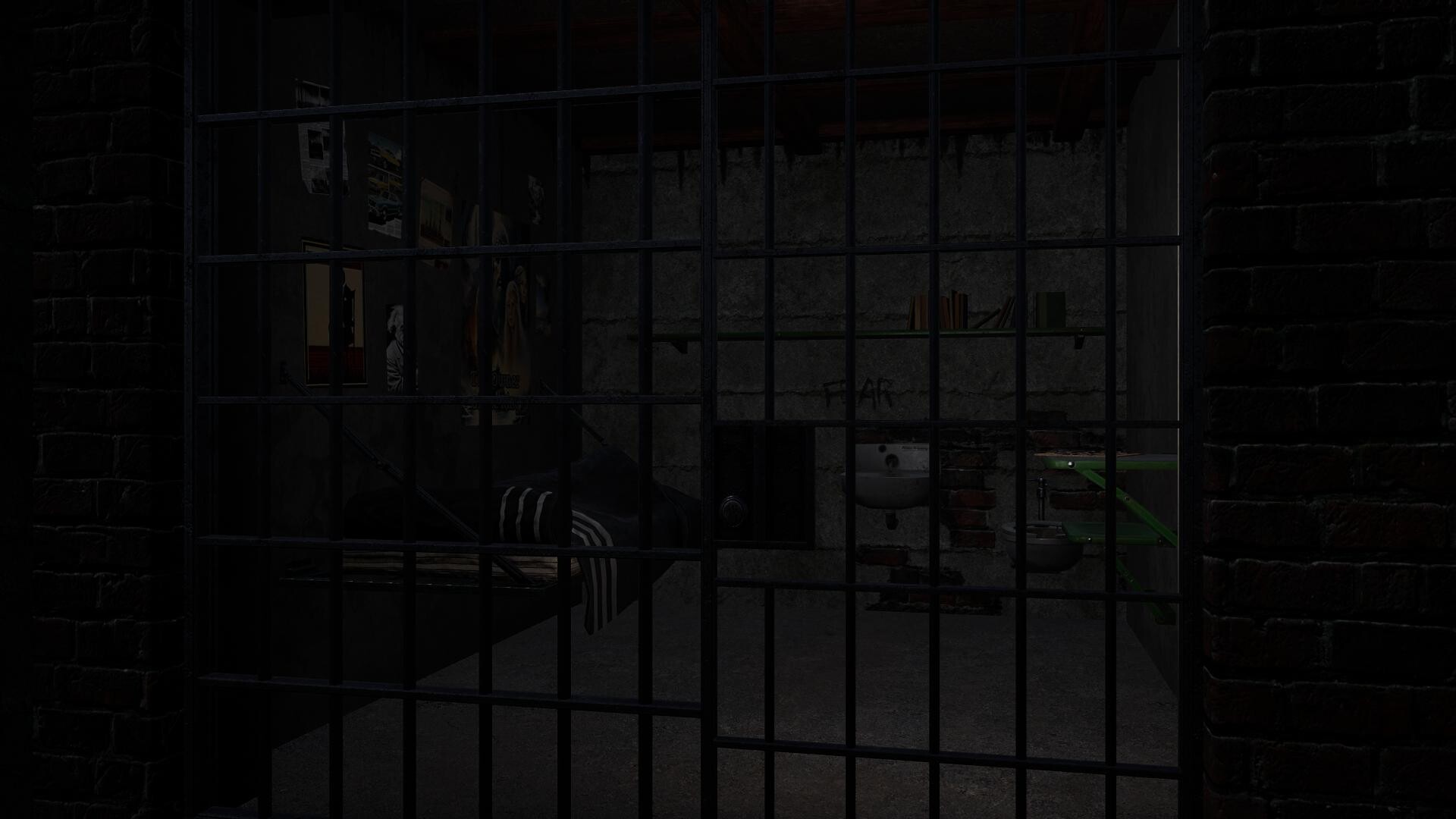
It is not presented as a multiplayer or live service title; Steam categories list it as single‑player and highlight accessibility features. The description implies investigative puzzles tied to environmental and inventory evidence rather than primarily combat-driven action, though “Action” appears among its genres.
When and where
Trace of the Villa is available on Steam with a listed release date of 28 May, 2026. The Steam store page is the primary destination for more media, patch notes, and user reviews as they appear.
Why the theme matters to meticulous players
Mansion mysteries that frame rooms as scenes frozen in time appeal to players who treat play sessions like detective work: each object, label, and ledger entry is a data point to be cross‑checked. The Steam description emphasizes falsified identities, suspicious transfer records, and arrivals/departures masked by design — elements that reward systemic thinking. For lore readers, the absence of names and photographs becomes itself a clue: the mystery is less about what happened and more about who erased traces and why.
How you read clues and progress
The Steam text makes the investigative loop explicit in broad strokes: restore power to the estate; watch secured systems come back online; unlock hidden compartments; decrypt documents; follow financial and identity trails. Puzzle solving here appears less about one‑off riddles and more about assembling fragmented evidence across systems and spaces until a pattern becomes visible. Players who keep notes, revisit rooms after new systems are activated, and cross‑reference encrypted fragments with manifests will likely find the clearest path forward.
How it compares to nearby mystery/puzzle games
Below is a compact editorial comparison focused on core mystery mechanics, pacing, and the kind of player fit each title tends to attract. These comparisons are based on the public summaries and genre/context notes available.
| Title | Core mystery mechanic | Pacing / Tone | Player fit vs Trace of the Villa |
|---|---|---|---|
| Inscryption | Card‑based meta‑mystery, puzzles embedded in deck mechanics and narrative layers | Dense, often claustrophobic and surreal | If you like puzzle‑driven narrative twists and meta layers, Inscryption offers a very different mechanical approach to mystery than Trace’s environmental, document‑led investigation. |
| Outer Wilds | Exploratory cosmic mystery and observational deduction across interconnected systems | Open, curiositous, time‑limited loop structure | Outer Wilds rewards pattern recognition across a system of locations; Trace appears to reward the same patient synthesis on a smaller, mansion‑scale stage. |
| Journey | Atmospheric non‑verbal discovery and environmental storytelling | Meditative and wordless | Journey emphasizes wordless emotional architecture; Trace emphasizes textual and systemic clues—better for players who prefer explicit fragments to assemble. |
| The Forgotten City | Narrative mystery with time mechanics and moral/causal puzzles
Steam pageView Trace of the Villa on Steam YouTube discoveryFor trailer and gameplay discovery, use YouTube search rather than relying on unverified embeds: Find Trace of the Villa trailer and gameplay searches on YouTube. CommentsMore posts |
Leave a Reply