
Trace of the Villa — an investigation in an erased mansion where every object is a question
Trace of the Villa is a story-first atmospheric mystery from Steadyturtle Co., Ltd. that centers on Jin’s search for his missing sister inside a remote, decaying mansion. Released on 28 May, 2026 for Steam, the game pitches environmental storytelling and clue-driven exploration against the slow-burn of uncovering falsified identities, encrypted documents, and a deliberately concealed operation.

Quick facts
| Title | Trace of the Villa |
|---|---|
| Steam App ID | 3483660 |
| Release date | 28 May, 2026 |
| Developer / Publisher | Steadyturtle Co., Ltd. |
| Genres | Action, Adventure, Indie |
| Categories | Single-player; Color Alternatives; Custom Volume Controls; Playable without Timed Input; Subtitle Options; Family Sharing |
| Premise | Jin follows leads to a remote, decaying mansion where manifests and hints suggest his missing sister may still be alive. |
Who, what, when, where, why, and how
Who is this for?
Players who prize story-first mystery design: those who prefer slow, investigative pacing over constant action, enjoy environmental storytelling that asks you to read traces left behind, and want narrative payoff via puzzles that unlock context rather than direct exposition.
What is the game?
Trace of the Villa casts you as Jin, piecing together the villa’s erased history by restoring power, opening hidden compartments, and recovering manifests, encrypted documents and suspicious transfer records. The Steam description frames the mansion as less abandoned than erased — rooms frozen mid-routine, personal objects without names, and a sense that identity itself has been removed.
When and where can you play it?
The title launched on Steam on 28 May, 2026. It appears on the Steam store as a single-player PC release under the Action / Adventure / Indie genres and includes accessibility categories such as subtitle options and color alternatives.
Why does the theme matter?
The conceit of “erasure” — rooms with belongings but no names, falsified identities and transfers that lead nowhere — creates a narrative curiosity that invites piecing fragments together. The emotional throughline (Jin searching for his sister) grounds investigative mechanics in personal stakes, so decoding the operation is as much about recovering identity as it is about solving puzzles.
How do players uncover meaning?
According to the official description, progression hinges on investigative interactions: restoring estate power brings systems back online, locked doors and hidden compartments open, and safes yield fragments of encrypted documents and manifests. Each solved puzzle or recovered record reveals another layer of a concealed operation — financial trails that don’t add up, falsified identities, and evidence of controlled movements. That design encourages interpretation: players assemble the villa’s timeline from material traces rather than from long cutscenes.
Visual cues and environmental puzzles
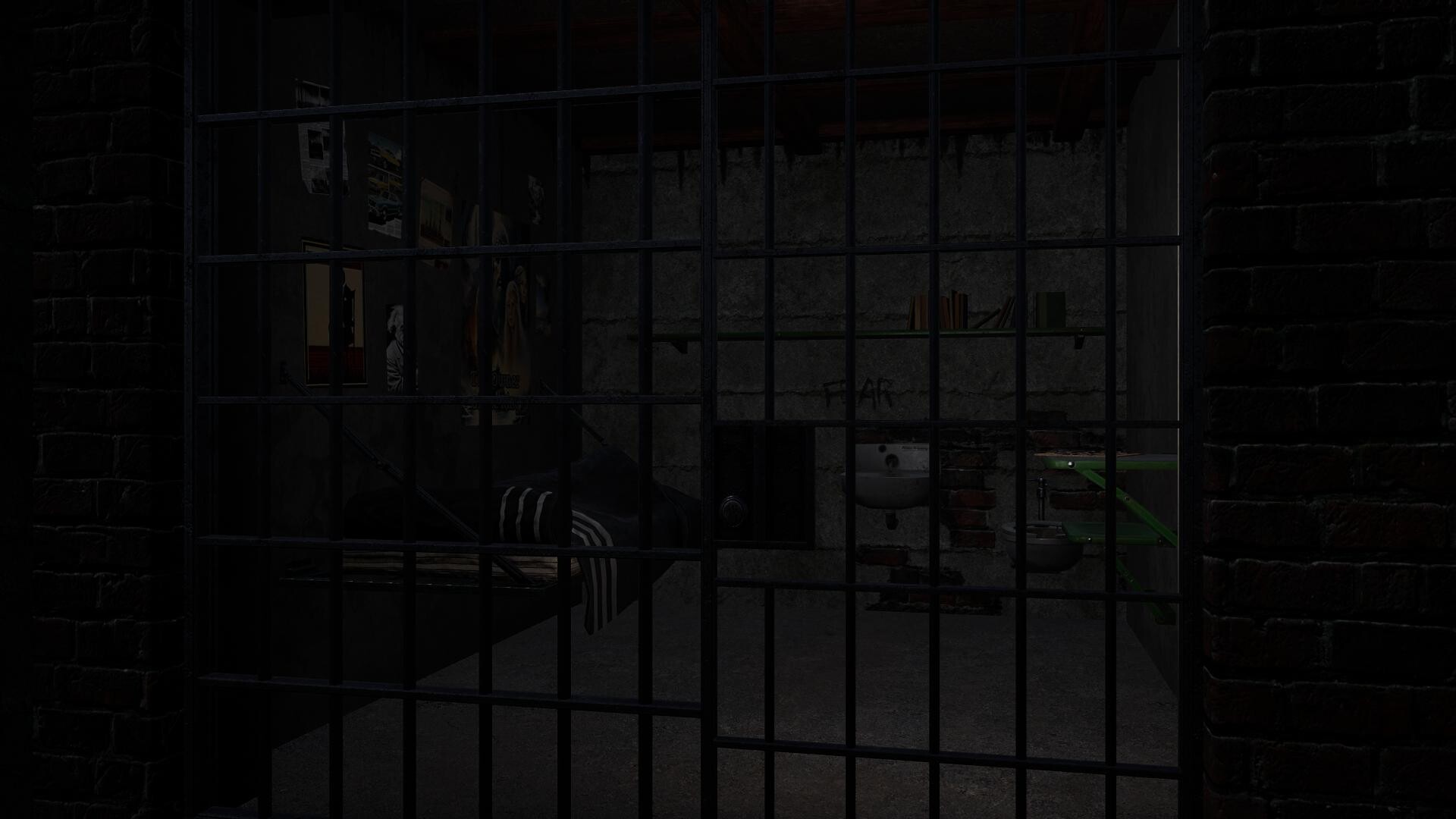
Steadyturtle’s pitch highlights puzzles that unlock systems and reveal documents, so expect exploration to alternate between close-read object work (manifests, transfer records, safes) and environmental changes tied to restoring power. The mansion-as-evidence approach makes surface detail meaningful: a missing photograph, a hastily locked door, or a ledger fragment can change your reading of a whole wing of the house.

Who should wishlist it (player scenarios)
- Investigative players who enjoy assembling a narrative from fragments — you’ll appreciate a design that rewards careful reading of objects and documents.
- Fans of slow-burn, atmospheric mystery rather than nonstop combat — the game foregrounds unease tied to discovery and identity.
- Players who like environmental puzzle logic — restoring power and bringing systems online changes the mansion and unlocks new layers of evidence.
- Those who value accessibility options like subtitles and color alternatives, and want a single-player, story-driven experience on PC.
How Trace of the Villa compares (editorial discovery)
Below is a concise comparison to help you locate Trace of the Villa in the wider landscape of story-rich mystery/adventure games. These are editorial comparisons using genre, atmosphere, puzzle focus, exploration style, story tone, and pacing.
| Title | Genre / Core focus | Atmosphere & story tone | Puzzle / exploration style | Player fit |
|---|---|---|---|---|
| Trace of the Villa | Action / Adventure / Indie | Mansion mystery, erased identities, slow-burn suspense | Clue-driven exploration, restoring systems, encrypted documents | Players who like environmental storytelling and investigative pacing |
| Inscryption | Adventure / Indie / Strategy | Dark, psychological horror with meta layers | Card-based puzzles combined with escape-room mechanics | Players who enjoy tightly-designed emergent puzzles and unsettling meta-narratives |
| Outer Wilds | Action / Adventure | Curious, cosmic mystery with exploratory wonder | Open-world exploration, learning by observation and experiment | Players who prefer open-ended discovery and systemic mysteries |
| Journey | Adventure / Indie | Poetic, contemplative, emotionally driven | Guided exploration through evocative environments | Players seeking a short, atmospheric, interpretive experience |
| The Forgotten City | Adventure / Indie / RPG | Narrative-driven mystery, ethical consequences, time-loop mechanics | Puzzle and narrative choices that reveal history and consequences | Players who like moral puzzles and strong story hooks |
| The Medium | Adventure | Psychological horror that interleaves two realities | Exploration that alternates between realms to solve puzzles | Steam page
Leave a Reply