Trace of the Villa — why quiet tension and the erasure of identity matter more than jump scares
Trace of the Villa places you inside a remote, decaying mansion where absence is the point: rooms look lived-in, but names, photographs and histories have been stripped away. The game leans on slow, claustrophobic discovery and the accumulation of small, uncanny details rather than loud shocks to unsettle you.

Quick facts
| Title | Trace of the Villa |
|---|---|
| Developer / Publisher | Steadyturtle Co., Ltd. |
| Release date | 28 May, 2026 |
| Steam AppID | 3483660 |
| Genres | Action, Adventure, Indie |
| Key categories | Single-player; Color Alternatives; Custom Volume Controls; Playable without Timed Input; Subtitle Options; Family Sharing |
| Official premise | Jin searches a remote, decaying mansion for signs that his missing sister may still be alive, recovering manifests and hints that lead deeper into a concealed operation. |
Who is this for?
If you prefer atmospheric mystery adventure and story-rich exploration to twitch reflex horror, Trace of the Villa is aimed at you. Players who value environmental storytelling, slow-burn suspense, and puzzle-driven progress—those who enjoy reading clues in rooms rather than avoiding constant threats—will find the game a better fit than someone chasing frequent jump scares.
What the game is
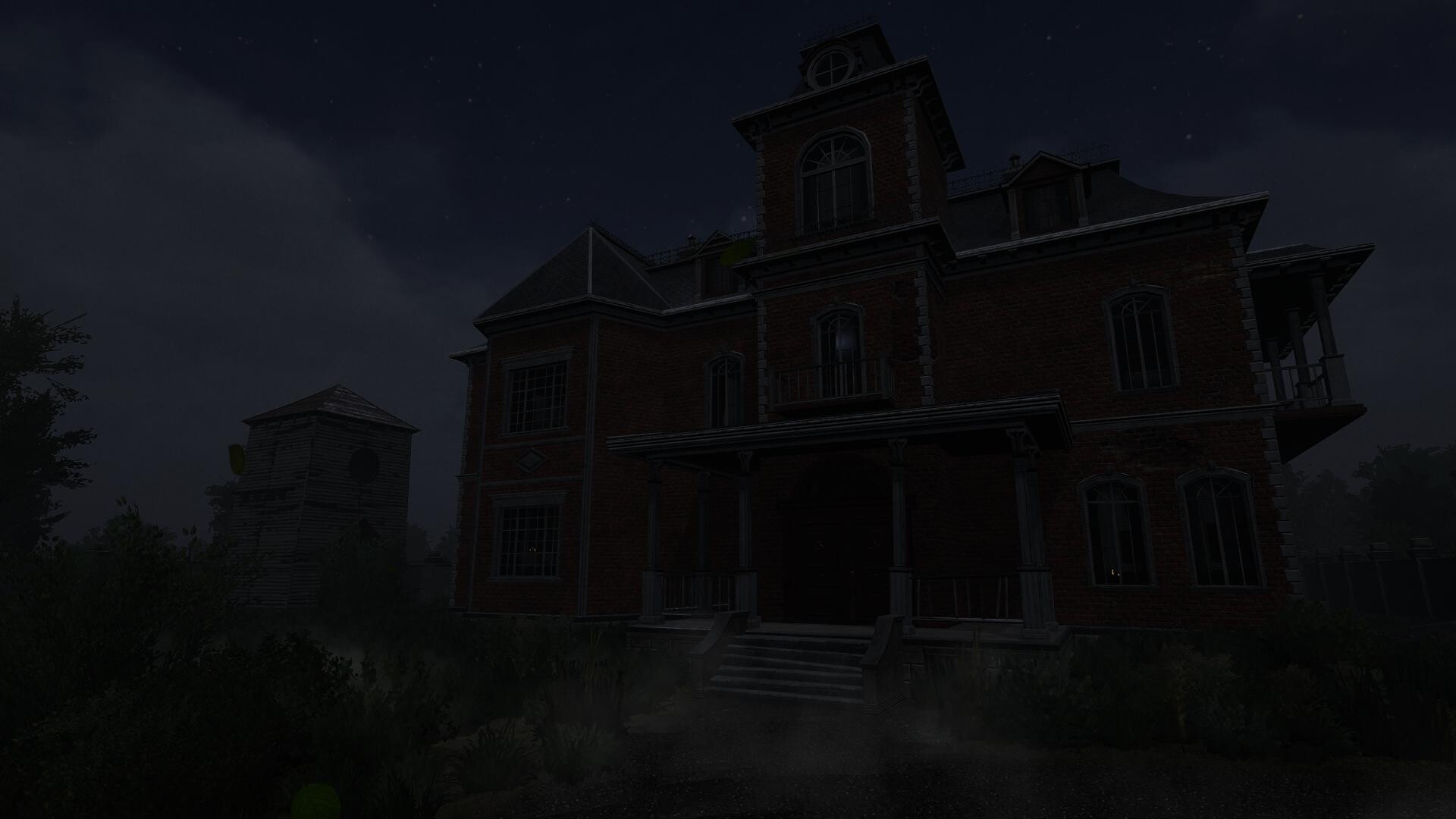
Trace of the Villa is a narrative puzzle-adventure set in a deliberately forgotten mansion. The official short description frames the premise: Jin has spent years searching for his missing sister and follows a lead to a remote, decaying property where manifests and hints suggest she may still be alive. The house feels “less abandoned than erased”—furnished rooms with no photographs or names, locked doors, and personal items that imply people vanished mid-routine.

When and where
Trace of the Villa launched on Steam on 28 May, 2026. The Steam page lists Steadyturtle Co., Ltd. as both developer and publisher, and the store listing shows PC-focused single-player categories and accessibility options such as subtitle options and custom volume controls.
Why the theme matters: unexplained spaces and identity erasure
Many modern horror titles rely on adrenaline and sudden moments. Trace of the Villa chooses a different path: it makes the lack of information itself a mechanism of dread. Rooms that look lived-in but intentionally stripped of identifiers prompt a psychological response—who were these people, and who decided to remove their names? The official description documents specifics that underline this design: no photographs, no names, falsified identities, encrypted fragments and suspicious transfer records. Those details suggest a broader, cold operation behind the mansion’s silence rather than a single monstrous antagonist.
How you progress
Progression is clue-driven exploration and puzzle solving. According to the official description, restoring power to the estate is a key moment: secured systems come back online, hidden compartments unlock, and safes yield fragments of encrypted documents and suspicious transfer records. You piece together manifests, encrypted documents and leads to follow, matching physical evidence with financial trails and falsified identities. The game rewards patient observation and inference—reconstructing timeline elements from objects and recovered records rather than surviving repeated combat or reflex challenges.
Player scenarios — who should wishlist this
- Quiet-suspense players: You like tension that lives in silence and implication. Expect long stretches of discovery interrupted by revealing narrative beats.
- Explorers of environmental storytelling: If you enjoy reading a room as a text—furniture placement, missing photos, ledger entries—this game emphasizes that skill.
- Puzzle-focused narrative players: You prefer puzzles that double as story devices (encrypted files, safes, systems to restore) rather than abstract obstacle rooms.
- Fans of investigation-driven pacing: If you want to feel like an investigator assembling a slow, coherent case rather than escaping an immediate threat, add it to your wishlist.
How it compares — lawful editorial discovery
Below is a concise editorial comparison on atmosphere, pacing and exploration style with nearby psychological horror and mystery titles.
| Title | Year | Genre / Focus | Atmosphere / Pacing | Puzzle / Exploration style |
|---|---|---|---|---|
| Amnesia: The Dark Descent | 2010 | Action, Adventure, Indie | Immersive, survival-leaning, persistent dread | Environment-first, stealth/survival mechanics mixed with discovery |
| SOMA | 2015 | Action, Adventure, Indie | Thoughtful sci-fi dread, existential questioning | Story-driven puzzles with heavy emphasis on narrative consequences |
| Layers of Fear (2016) | 2016 | Adventure, Indie | Psychological, shifting mansion set-pieces | Surreal, chapter-based exploration focused on mood and revelation |
| Poppy Playtime | 2021 | Action, Adventure, Indie | Faster, theatrical horror with toy-factory set pieces | Puzzle-adventure with gadget mechanics and set encounters |
YouTube discovery
Want to see trailers or gameplay footage? Use this YouTube search path to find videos: Search Trace of the Villa trailer & gameplay on YouTube. Note: this is a discovery link rather than an affirmation of any single official video.
Steam CTA
If Trace of the Villa sounds like your kind of slow-burn mystery, you can view or wishlist it on Steam: Trace of the Villa on Steam
Referenced titles and trademarks belong to their respective owners. Comparisons above are editorial discovery only and not endorsements.
Leave a Reply