
Trace of the Villa — where locked-room thinking meets inspection-heavy puzzle play
Trace of the Villa puts you in the shoes of Jin, a lone investigator combing a decaying mansion for traces of his missing sister. The game privileges object logic and environmental puzzles: locked doors, recovered manifests and restored systems that unspool a layer-by-layer narrative through careful searching and chained clues.

Who this is for
If you favour slow-burn suspense, meticulous searching, and puzzles that reward careful inspection rather than twitch reflexes, Trace of the Villa is aimed at you. The Steam data classifies it under Action, Adventure and Indie and lists single-player categories like “Playable without Timed Input” and “Subtitle Options” — signals that this is a narrative, clue-driven experience for players who prefer reading the environment and chaining small discoveries into larger revelations.
What the game is
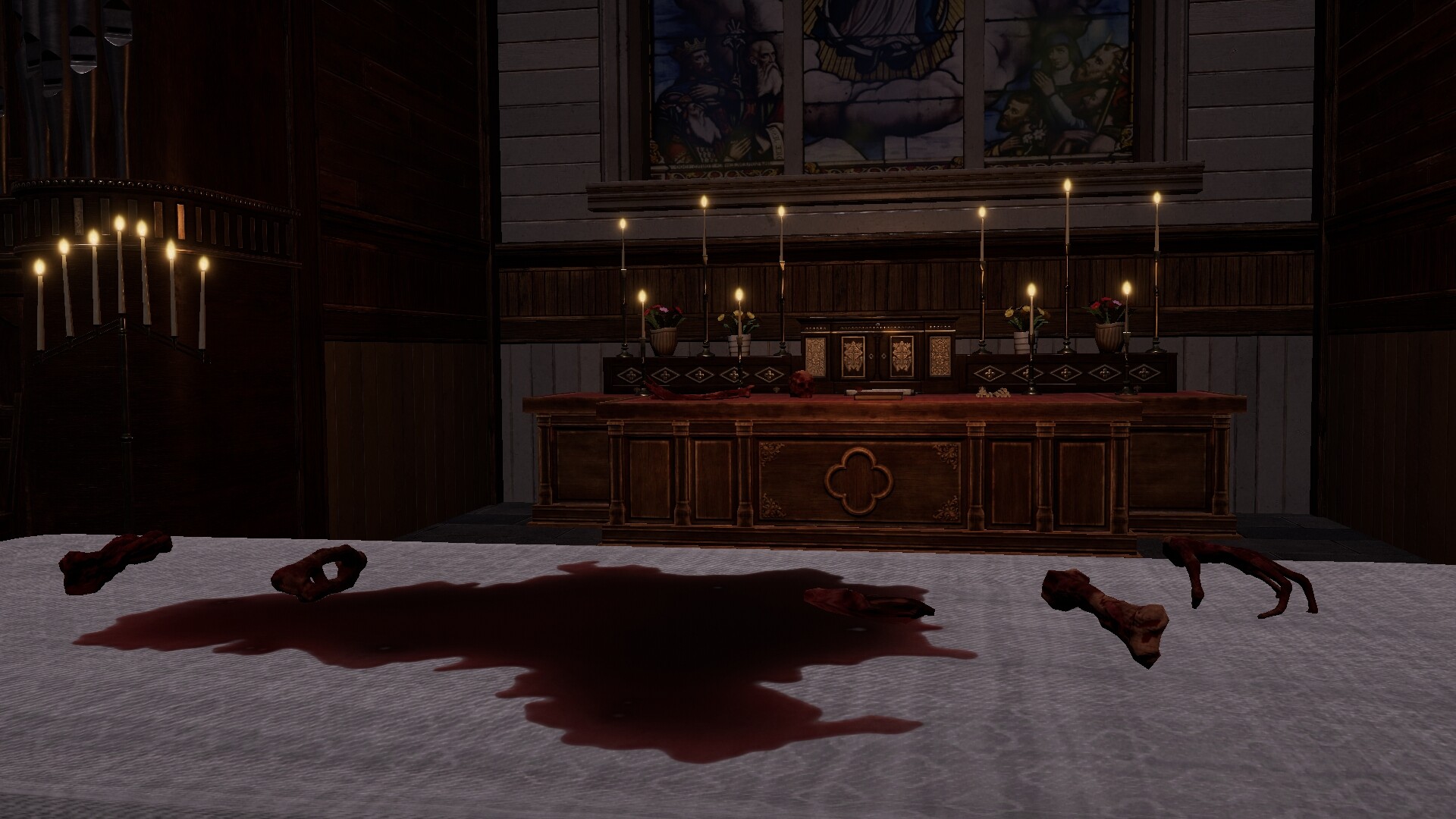
Officially described on Steam, Trace of the Villa follows Jin’s investigation into a remote, deliberately forgotten mansion. Rooms appear as if people vanished mid-routine; locked systems and safes yield manifests, encrypted documents and suspicious transfer records when the estate’s power is restored. The gameplay emphasis in that description is investigative: restore systems, unlock hidden compartments, and use fragments of evidence to map a concealed operation.
When and where
Trace of the Villa released on 28 May, 2026 and is available on Steam for PC. The developer and publisher listed on the store page are Steadyturtle Co., Ltd.
Why the theme matters — locked-room thinking and environmental reading
The mansion setting obliges a specific mental approach: treat the map as a puzzle board. Locked-room thinking here means expecting solutions to be embedded in objects and room layouts rather than delivered as explicit HUD clues. Environmental reading—interpreting furniture placement, utility reactivation, and absent personal effects—becomes a primary storytelling device. For players who enjoy narrative archaeology (finding a fragment, then rebuilding the situation that produced it), Trace of the Villa uses object logic to make the world itself an argument you must reconstruct.
How you progress — inspection, clue chains, and object logic
Based on the Steam description, progression is inspection-heavy. Restoring power is a gameplay fulcrum: systems that were dormant respond, unlocking new interactions. Safes and hidden compartments yield fragments—manifests, transfer records, and encrypted documents—that chain together into a larger picture. That design rewards methodical play: examine, inventory, cross-reference, and return to earlier rooms with new systems active. Expect puzzles that hinge on reading context (where an object sits, what’s missing) and on chaining small discoveries into a logical conclusion.

Compact facts — Trace of the Villa
| Title | Trace of the Villa |
|---|---|
| Steam App ID | 3483660 |
| Release date | 28 May, 2026 |
| Developer | Steadyturtle Co., Ltd. |
| Publisher | Steadyturtle Co., Ltd. |
| Genres | Action, Adventure, Indie |
| Categories | Single-player; Color Alternatives; Custom Volume Controls; Playable without Timed Input; Subtitle Options; Family Sharing |
| Official short description | Jin has spent years searching for his missing sister, pursuing leads that took him to a remote, decaying mansion where he recovered manifests and hints that indicate his sister may still be alive. |
Who should wishlist it — concrete player scenarios
- Inspection-first players: You read every drawer, open every closet, and keep lists of recovered clues. The game’s design rewards that habit.
- Mansion-mystery fans: You prefer atmospheric, slow-burn investigation and narrative puzzles that reveal a backstory through objects and records rather than cutscenes.
- Puzzle-chain solvers: You like solving several small problems that fit together into a larger logical conclusion—rather than single, isolated brainteasers.
- Players who avoid timed stress: Steam lists “Playable without Timed Input,” so pacing is steady and investigative rather than reflex-driven.
How it compares — short editorial comparison
| Game | Puzzle focus | Atmosphere / Story tone | Exploration style | Pacing / Best for |
|---|---|---|---|---|
| Trace of the Villa | Object logic, inspection-heavy chained clues | Mansion mystery, slow-burn psychological investigation | Room-to-room, reactivating systems and unlocking hidden compartments | Players who enjoy methodical investigation and environmental storytelling |
| The Room | Tactile puzzle-boxes and mechanical deconstruction | Claustrophobic, curious and uncanny | Focused on single, elaborately interlocked puzzle objects | Players who like dense, handcrafted puzzles with tactile feedback |
| Escape Simulator | Highly interactive object manipulation and physics puzzles | Playful to tense depending on the room; community-made variety | Sandbox-style room interaction with physics and many interactables | Players who prefer highly interactive environments and co-op options |
YouTube discovery
Looking for trailers or gameplay clips? Search results for “Trace of the Villa trailer gameplay” can be found here: YouTube search: Trace of the Villa trailer & gameplay. (Use the search to find publisher or press material; the store metadata does not assert a single official video link.)
Final verdict for the clue-readers
Trace of the Villa’s Steam page frames it as a narrative puzzle adventure built around environmental evidence and system reactivation. If you prize locked-room reasoning
Leave a Reply