
Trace of the Villa — an escape-room style mansion mystery built from locked systems, safes and paper trails
Trace of the Villa drops you into Jin’s search for a missing sister inside a remote, decaying mansion where power and paperwork are the keys. The game hinges on restoring systems, opening safes and following clue chains that reveal a deliberately erased history.

Quick facts
| Title | Trace of the Villa |
|---|---|
| Steam App ID | 3483660 |
| Release date | 28 May, 2026 |
| Developer / Publisher | Steadyturtle Co., Ltd. |
| Genres | Action, Adventure, Indie |
| Categories / Notable features | Single-player; Color Alternatives; Custom Volume Controls; Playable without Timed Input; Subtitle Options; Family Sharing |
Who is this for?
Trace of the Villa targets players who prefer atmospheric mystery adventure and clue-driven exploration over twitch reflexes. If you enjoy slow-burn suspense, environmental storytelling and methodical puzzle chains — especially puzzles that unlock systems, safes and documents rather than combat encounters — this is aimed at you.
What the game is (official premise and mechanical focus)
According to the Steam page, you play as Jin, a protagonist searching for his missing sister. The setup centers on a remote, deliberately forgotten mansion where rooms look as if occupants vanished mid-routine. Mechanically, the official description emphasizes restoring power to the estate so secured systems come back online, hidden compartments open, safes yield fragments of encrypted documents and suspicious transfer records, and a larger operation is slowly revealed.
When and where
Trace of the Villa released on Steam on 28 May, 2026. The Steam page lists Steadyturtle Co., Ltd. as both developer and publisher; the game is a PC release listed under Action, Adventure and Indie categories and carries single-player and accessibility-oriented metadata such as color alternatives and subtitle options.
Why this mansion matters — theme and tone
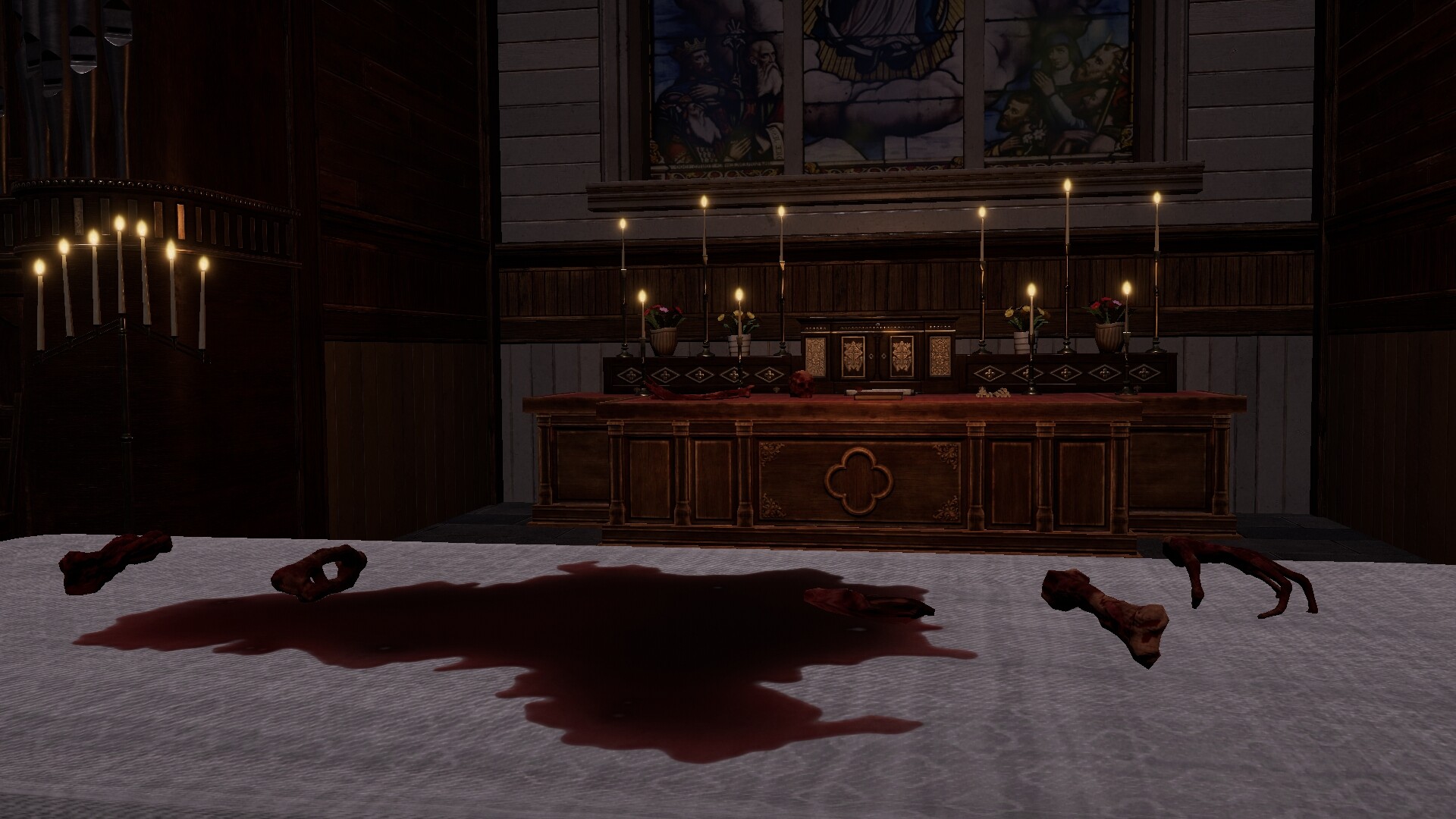
The estate is described as cut off from the grid and “deliberately forgotten,” which shapes the tone: procedural erasure and institutional secrecy rather than overt supernatural scares. The narrative weight comes from reconstructing identity and motive through physical traces — manifests, transfer records and falsified paperwork — so the theme aligns with investigative, puzzle-driven storytelling more than action spectacle.
How you read clues and progress
Progression is presented as an interplay between environmental observation and system restoration. Official text highlights a concrete chain of actions: restore power → secured systems reactivate → hidden compartments and safes become accessible → safes yield encrypted documents and suspicious transfer records → those documents open new leads. That sequence implies puzzle loops built around locked-room thinking: you read rooms for overlooked details, manipulate estate systems, and follow paper trails that connect rooms and timeframes.

Player scenarios — who will enjoy this and how to approach it
- The methodical clue-chainer: You like tracing a lead through several linked puzzles. Expect multi-step solutions where documents point to systems, systems reveal safes, and safes hold more documents.
- The environmental reader: You scan rooms for narrative detail and timeline cues. The absence of photographs and named records is a storytelling hook — patterns of erasure become evidence.
- The accessibility-conscious player: With features like Playable without Timed Input, Subtitle Options and Color Alternatives, the Steam listing suggests the design accommodates slower, careful players.
- The safecracker and systems tinkerer: The official copy repeatedly points to power restoration, secured systems, safes and encrypted documents — players who enjoy mechanical puzzles that unlock new interaction layers should find that satisfying.
How Trace of the Villa compares to other puzzle-focused titles
Below is an editorial comparison on lawful criteria: genre, atmosphere, puzzle focus, exploration style, story tone and pacing to help you decide where this game fits your tastes.
| Title | Genre / Core focus | Atmosphere / Story tone | Puzzle & exploration style | Pacing / Best for |
|---|---|---|---|---|
| Trace of the Villa | Action, Adventure, Indie — investigation-led | Mansion mystery; erased identities and institutional secrecy | System restoration, safes, encrypted documents and paper trails; environmental reading | Slow-burn; players who like chained puzzles and narrative assembly |
| The Room | Adventure, Indie — tactile puzzle box | Claustrophobic, mechanical wonder | Intricate single-object puzzles (cast-iron safe / puzzle box) | Measured, puzzle-centric; ideal for focused, tactile puzzlers |
| The Room Two | Adventure, Indie — expanded puzzle environments | Mysterious, antique, uncanny | Multi-stage puzzle objects across interconnected scenes | Slow to moderate; players who appreciate object-based puzzle sequences |
| Escape Simulator | Adventure / Simulation — interactive escape rooms | Varied; often playful to tense depending on room | Highly interactive object manipulation; sandboxy designs and community rooms | Flexible pacing; solo or co-op players who like physical interaction with room props |
Two practical tips before you wishlist or buy
- Expect investigation anchored in documents and systems. If you enjoy tracing financial records and encrypted notes as much as mechanical puzzles, this aligns with that play loop.
- Accessibility features like Playable without Timed Input and Subtitle Options make it a reasonable pick for players who prefer to read and observe at their own pace rather than under pressure.
Where to look for the trailer /
Steam page
View Trace of the Villa on Steam
YouTube discovery
For trailer and gameplay discovery, use YouTube search rather than relying on unverified embeds: Find Trace of the Villa trailer and gameplay searches on YouTube.
Leave a Reply