
Trace of the Villa — puzzles as evidence and narrative logic
Trace of the Villa (Steadyturtle Co., Ltd.) drops players into a decaying mansion where Jin follows manifests and hints suggesting his missing sister may still be alive. The opening moments set up an investigation-driven rhythm: restore systems, read objects, and treat each solved puzzle as an evidentiary step toward a larger story.

Quick facts
| Title | Trace of the Villa |
|---|---|
| Steam App ID | 3483660 |
| Release date | 28 May, 2026 |
| Developer / Publisher | Steadyturtle Co., Ltd. |
| Genres | Action, Adventure, Indie |
| Notable categories | Single-player; Color Alternatives; Custom Volume Controls; Playable without Timed Input; Subtitle Options; Family Sharing |
| Official short description | Jin has spent years searching for his missing sister, pursuing leads that took him to a remote, decaying mansion where he recovered manifests and hints that indicate his sister may still be alive, somewhere at the end of the trail he is about to follow. |
Who this is for
If you prefer slow-burn suspense and environmental storytelling that treats puzzles as pieces of evidence, Trace of the Villa is aimed at players who like to read rooms as if they were case files. Fans of story-rich adventures who value atmospheric mystery, inventory-lite object logic, and puzzle sequences that unlock narrative fragments will be the best fit. The Steam page lists it as Action / Adventure / Indie and highlights accessibility options such as subtitle support and controls for players who avoid timed inputs.
What the game is
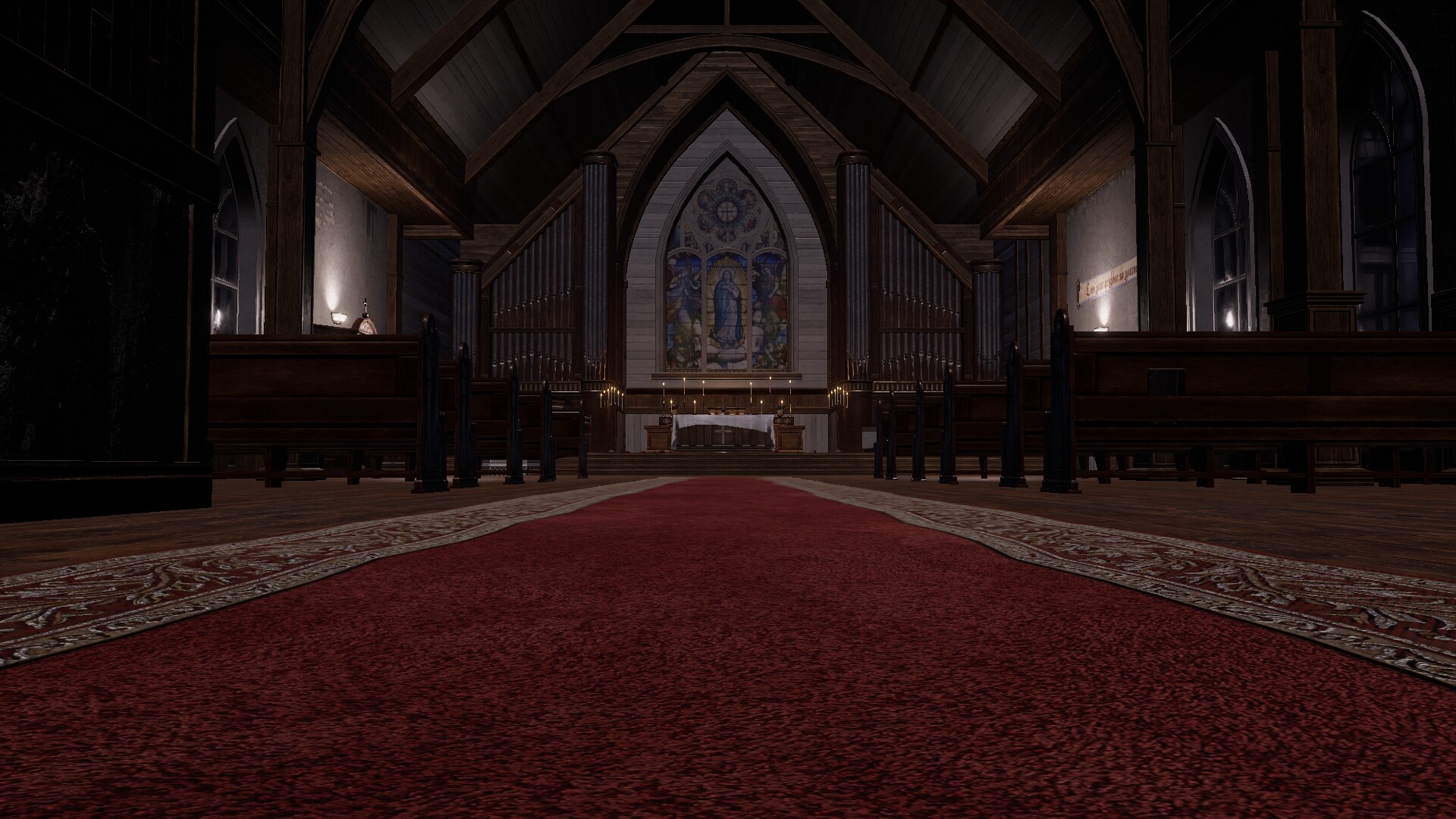
Official material positions Trace of the Villa as a psychological investigation inside a deliberately forgotten estate. You play Jin, following leads inside a mansion that appears “erased” rather than simply abandoned. The house contains locked doors, encrypted documents, falsified records and other artifacts; solving puzzles restores power, unlocks compartments, and reveals more of the concealed operation hinted at in the short description and official text.
When and where
Trace of the Villa released on Steam on 28 May, 2026. The Steam page and store visuals give the primary context: a single-player PC experience with options for color alternatives, custom volume controls, and other accessibility choices common to narrative puzzle adventures.
Why the theme matters — puzzles as evidence
What separates some puzzle adventures from pure mechanical puzzlers is whether each solution changes what you know about the story. In Trace of the Villa, the narrative implication is explicit: puzzles return fragments of encrypted documents and transaction records, and restoring estate systems reveals clues. That design turns object interactions into evidentiary beats—each solved lock or recovered manifest is not only a key to the next room but also a claim about what happened here. For players who value narrative logic, that approach creates a satisfying chain of inference rather than isolated brainteasers.
How progression and clue reading work
The official description describes specific systems: restoring power brings systems back online, hidden compartments unlock, and safes yield encrypted fragments and suspicious transfer records. Read against that, the likely player loop is: inspect space → collect an item or read a record → use object logic or environmental cues to decode a lock or system → watch the scene update and reinterpret earlier clues. That feedback loop—puzzles that materially change the environment and produce new documentary evidence—encourages careful note-taking and cross-referencing rather than trial-and-error guessing.
Player scenarios — who should wishlist
- The careful investigator: You like scanning documents and building timelines. If you enjoy using narrative clues to eliminate possibilities and make logical leaps, this fits.
- The atmospheric explorer: You choose games for mood and space design. A mansion that feels “erased” and returns hidden systems will appeal if you want ambience plus solving.
- The paced-puzzle fan: You avoid twitch-based or timed challenges. The Steam categories explicitly note “Playable without Timed Input” and subtitle/options support, so pacing and accessibility are foregrounded.
How it compares to nearby titles
Below is a compact editorial comparison on lawful criteria: genre, atmosphere, puzzle focus, exploration style, story tone, pacing, and player fit. These are framed as editorial discovery rather than endorsement.
| Title | Genre / Core focus | Atmosphere / Story tone | Puzzle focus / Exploration | Pacing / Player fit |
|---|---|---|---|---|
| Trace of the Villa | Action / Adventure / Indie | Mansion mystery, erasure and suppressed identities (investigative, unsettling) | Clue-driven puzzles that restore systems and yield documents; object logic tied to narrative | Slow, investigative; accessible options; single-player |
| The Room | Adventure / Indie | Mystical, solitary cabinet-based mystery | Mechanical, tactile puzzle boxes with layered reveals | Focused, puzzle-box pacing for players who like isolated mechanical problems |
| The Room Two | Adventure / Indie | Cryptic, atmospheric and exploratory | Sequential puzzle chambers; emphasis on object manipulation | Structured progression; short scenes with concentrated puzzles |
| Escape Simulator | Adventure / Casual / Indie / Simulation | Varied themes; often playful or workshop-driven | Highly interactive rooms and physics; community-made levels expand variety | Flexible pacing; solo or co-op players who enjoy hands-on interactions |
| Unpacking | Casual / Indie / Simulation | Zen, domestic, quietly narrative | Spatial and contextual puzzles tied to life fragments rather than locks | Relaxed, vignette-style pacing for players who prefer gentle, story-based puzzles |
Deciding whether to wishlist
Wishlist Trace of the Villa if you want a PC mystery that treats puzzles as evidence and builds narrative logic through recovered documents and restored systems. If you prefer isolated mechanical puzzles with no narrative stakes, games like The Room will deliver that tactile puzzle feel; if you want cooperative or high-interaction rooms, Escape Simulator offers a different, more physics-driven approach. Trace of the Villa sits between those poles: it leans into story-first investigation with puzzle-play that changes what you know about the place.
YouTube discovery
To find trailers or gameplay footage (search/discovery path), try: YouTube search for Trace of the Villa trailer & gameplay. This link is provided as a discovery route; it should be used as a search path unless a specific official video is verified on the store.
Where to get it on Steam
Trace of the Villa is available on Steam. If the investigative, evidence-driven approach sounds like your kind of puzzle adventure, consider adding it to your wishlist:
Referenced images are from the game’s official Steam store page (Steadyturtle Co., Ltd.).
Disclaimer: Referenced titles and trademarks belong to their respective owners; comparisons here are editorial discovery only, not endorsements or
Leave a Reply