
Trace of the Villa — an inspection-first, clue-chain mansion mystery
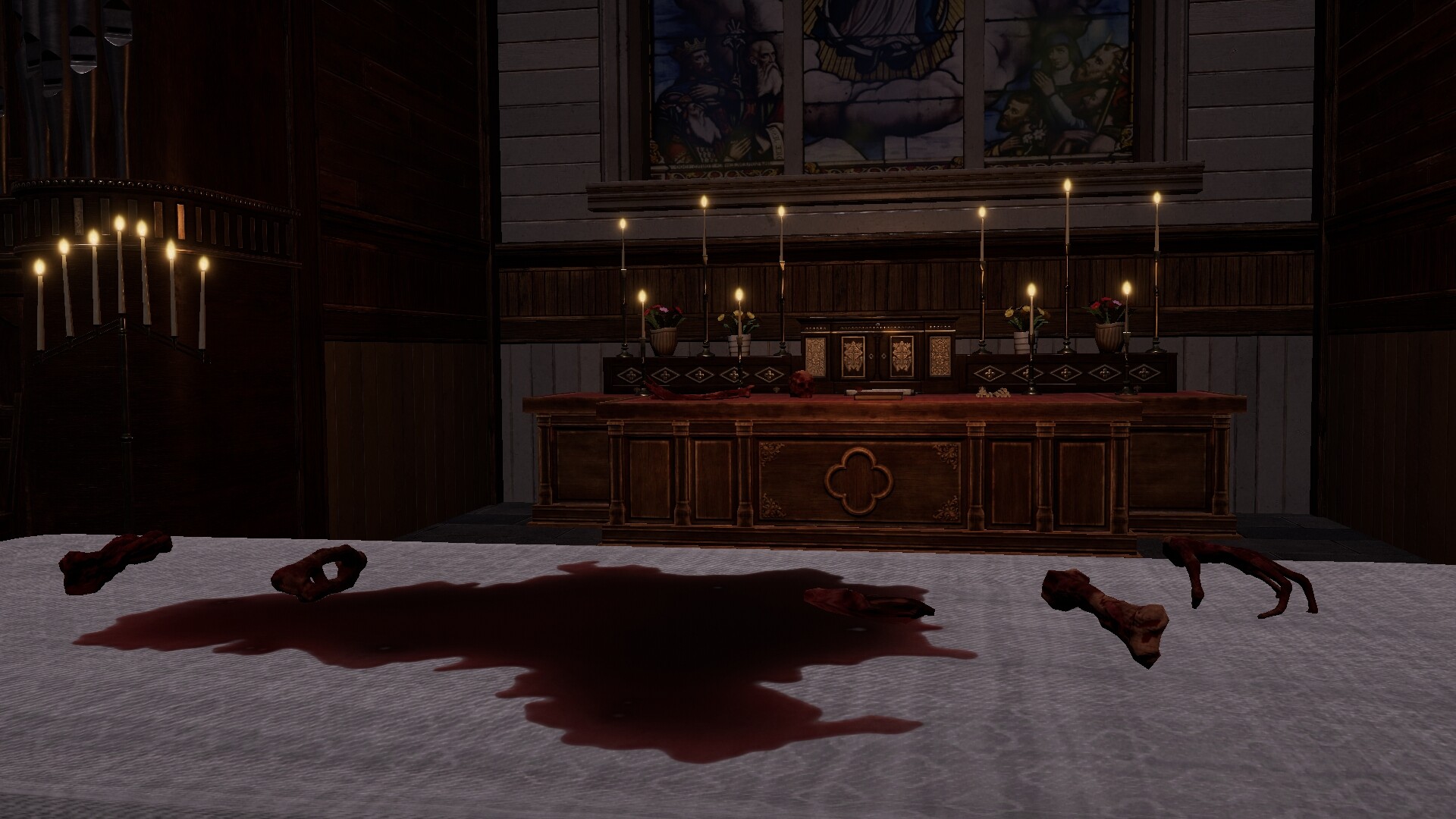
Trace of the Villa places you in a cut-off, decaying mansion where Jin follows manifests and fragmentary hints that may lead to his missing sister. The emphasis is on environmental reading and chained object logic: restore systems, unlock compartments, and follow documentary traces rather than combat or twitch reflexes.

Who this is for
If you prefer slow-burn suspense, atmospheric mystery adventure, and inspection-heavy play, Trace of the Villa is aimed at you. The Steam categories list it as single-player with supportive accessibility options — Color Alternatives, Custom Volume Controls, Playable without Timed Input, Subtitle Options — which reinforces that the design favours deliberate observation over fast reactions.
What the game is
Trace of the Villa (developed and published by Steadyturtle Co., Ltd.) is an Action/Adventure Indie released on 28 May, 2026 for Steam on PC. The story premise, taken from the official Steam listing: Jin has tracked a lead to a remote mansion where manifests and hints suggest his missing sister may still be alive. In-story systems — power, safes, and concealed compartments — reveal encrypted documents and suspicious transfer records that frame the house as part of a larger, erased operation.
When and where
Trace of the Villa released on 28 May, 2026 and is available on Steam for PC. Official Steam features and categories include Single-player and a set of user-facing options (subtitles, color alternatives, custom volume controls) that make inspection-heavy play more accessible.
Why the theme matters
The mansion-as-document is a familiar but effective frame for clue-driven exploration: Trace of the Villa uses missing identities, falsified records, and financial traces as the connective tissue between scenes. That setup pushes the player toward close reading of the environment — receipts, manifests, and powered systems are not background detail but evidentiary nodes in a chain of logic. For players who enjoy psychological investigation and environmental storytelling, that matters: the house behaves like an archive that must be interrogated rather than an arena to be traversed.
How you progress — object logic and environmental puzzles
The official description highlights a few concrete mechanics that define play: when Jin restores power, secured systems come back online; hidden compartments unlock; safes yield fragments of encrypted documents and suspicious transfer records. Those elements indicate a gameplay loop built around:
- Inspection-first play: reading manifests and small documents to create links between clues.
- Object logic: items and systems behave predictably — power affects electronics, safes require found keys or codes, and documents point toward next locations.
- Clue chaining: progress comes from assembling documentary fragments into a timeline or trail rather than isolated brainteasers.
That combination rewards players who methodically search rooms, catalogue details, and follow emergent narratives from physical evidence rather than relying on in-game hints or fast reflex solutions.

Quick facts
| Title | Trace of the Villa |
|---|---|
| Steam AppID | 3483660 |
| Developer | Steadyturtle Co., Ltd. |
| Publisher | Steadyturtle Co., Ltd. |
| Release date | 28 May, 2026 |
| Genres | Action, Adventure, Indie |
| Notable Steam categories | Single-player; Color Alternatives; Custom Volume Controls; Playable without Timed Input; Subtitle Options; Family Sharing |
| Official short description | Jin has spent years searching for his missing sister, pursuing leads that took him to a remote, decaying mansion where he recovered manifests and hints that indicate his sister may still be alive. |
How Trace of the Villa compares to nearby mystery/puzzle titles
Below is an editorial comparison focusing on genre, atmosphere, puzzle emphasis, exploration style, and pacing — intended to help readers match the game to their preferences.
| Game | Primary puzzle focus | Exploration style | Story tone | Pacing |
|---|---|---|---|---|
| Trace of the Villa | Documentary clue chains, power/systems restoration, safes and encrypted fragments | Room- and estate-scale inspection, environmental reading | Mansion mystery with erased identities and suspicious transfers (investigative) | Slow-burn, methodical |
| The Room | Mechanical safes and tactile object puzzles | Single-room, intimate puzzle object interaction | Mystical, curiosity-driven | Measured, puzzle-centric |
| The Room Two | Multi-stage mechanical puzzles that expand into new spaces | Linked rooms and set-pieces with a growing scope |
Leave a Reply