Trace of the Villa: how clue-reading, object logic, and story puzzles reveal evidence without spoiling the mystery
Trace of the Villa is a slow-burn, clue-driven mystery that asks players to piece together a fractured history from recovered manifests, encrypted fragments and the mansion’s physical traces. Released on 28 May, 2026 by Steadyturtle Co., Ltd., the game leans on environmental storytelling and puzzle systems that surface story evidence in discrete, investigable pieces.

Who, what, when, where, why, and how
Who is this for?
Players who enjoy atmospheric mystery adventure on PC — those who prefer careful reading, methodical deduction, and environmental puzzles over action-first thrills. If you like story-rich adventures that reward attention to small details and reconstruction of timelines from fragments, Trace of the Villa targets that audience.
What the game is
Trace of the Villa follows Jin, who has been searching for his missing sister for years. A lead brings him to a remote, decaying mansion where he recovers manifests and hints that suggest his sister may still be alive. Inside, the house “feels less abandoned than erased”: furnished rooms missing photographs or names, locked doors and secured systems that, once restored, yield fragments of encrypted documents and suspicious transfer records. The Steam listing categorizes the game as Action, Adventure, Indie and lists Single-player support along with accessibility options such as Color Alternatives, Custom Volume Controls, Playable without Timed Input, and Subtitle Options.
When and where
Trace of the Villa released on 28 May, 2026 and is available on Steam for PC. The Steam page lists the developer and publisher as Steadyturtle Co., Ltd.
Why the theme matters
The game’s tension comes from its investigative framing: it doesn’t spoon-feed answers. Instead, hidden compartments, safes and systems gradually return information to the player. That structure makes the theme — identity erased, movements masked, people passing through without records — effectively supported by puzzle pacing. Revealing evidence in pieces sustains suspense while letting players build hypotheses from material artifacts rather than being told a single narrative in full.
How you read clues and progress
Per the official description, progression often requires restoring systems or opening secured containers so hardware and documents can be read. That means puzzles are frequently tied to the environment: power restoration, unlocking safes, and deciphering fragments yield partial records and manifests. Those fragments function like forensic clues — each solved puzzle produces an evidentiary shard rather than a full exposition, allowing players to assemble the larger picture without having the ending handed to them in one chunk.
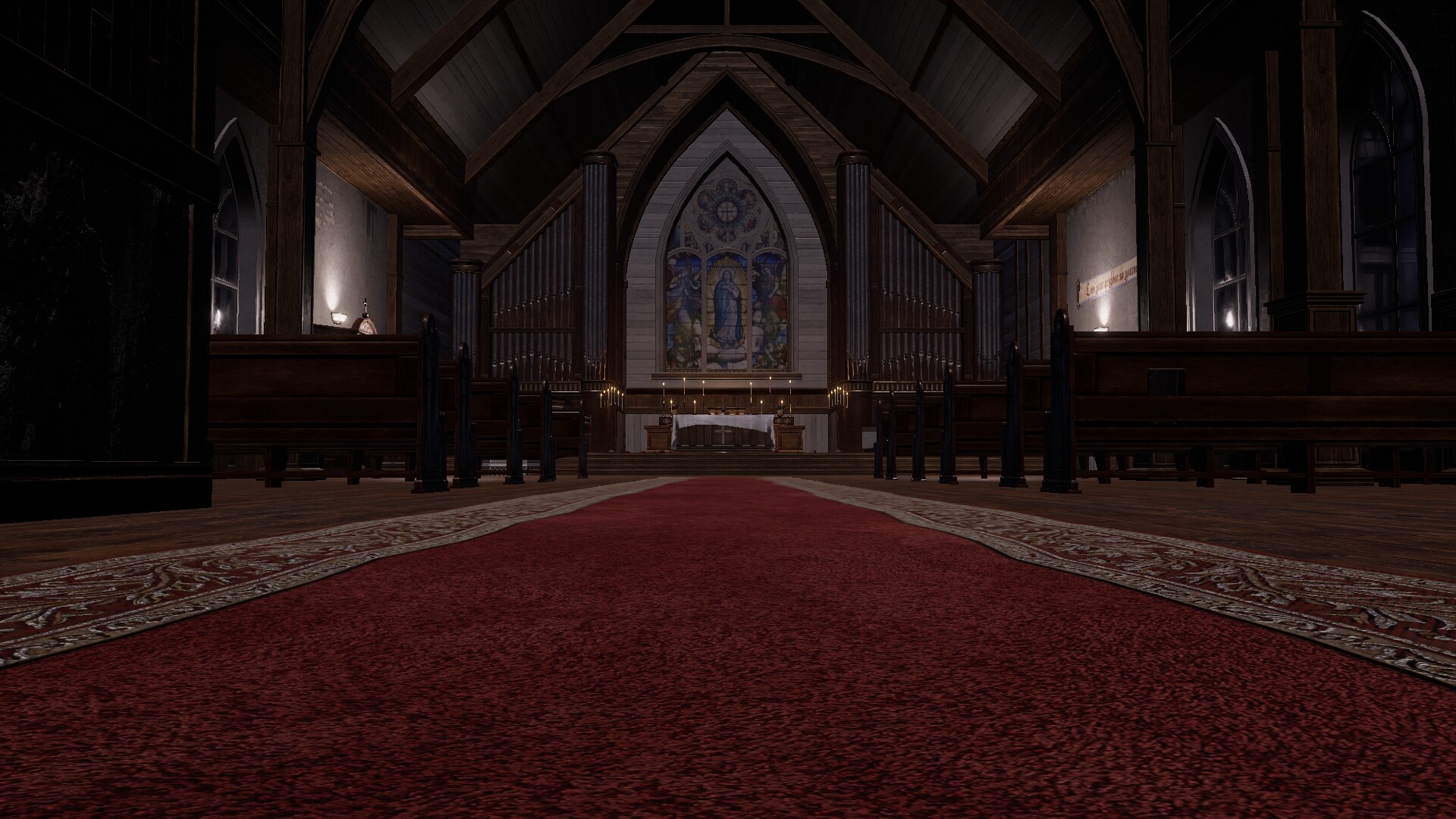
Official screenshots

Quick facts
| Title | Trace of the Villa |
|---|---|
| Developer | Steadyturtle Co., Ltd. |
| Publisher | Steadyturtle Co., Ltd. |
| Release date | 28 May, 2026 |
| Genres | Action, Adventure, Indie |
| Steam categories | Single-player; Color Alternatives; Custom Volume Controls; Playable without Timed Input; Subtitle Options; Family Sharing |
| Steam AppID | 3483660 |
How the puzzle design preserves story beats (without spoilers)
Trace of the Villa structures revelations as layered evidence. The design approach described on Steam emphasizes mechanical interactions that restore or unlock parts of the house — powering systems, opening safes, and uncovering encrypted fragments. That means each solved puzzle typically yields a partial datum: a manifest entry, a transfer record, or an encrypted note. From an editorial standpoint this is smart pacing. It invites hypothesis-driven play (collect this fragment, test an interpretation, search for corroborating traces) while preventing a single puzzle from collapsing the mystery into a single exposition dump.
For players who dislike abrupt narrative reveals, this model preserves suspense. For players who enjoy forensic assembly, it rewards careful note-taking and cross-referencing. The result is a rhythm of object logic (how items and documents relate), clue reading (extracting meaning from fragments), and story puzzles (mechanical tasks that produce narrative evidence) that keep discovery personal and player-directed.
Comparison: where Trace of the Villa sits among puzzle-adventure peers
Below is an editorial comparison focused on tone, puzzle focus, exploration style and player fit — not on scores or sales.
| Title | Genre / Tone | Puzzle focus | Exploration style | Player fit |
|---|---|---|---|---|
| Trace of the Villa | Action, Adventure, Indie — atmospheric mansion mystery | Evidence-driven puzzles: restoring systems, safes, encrypted fragments | Slow, room-by-room investigation with environmental story cues | Players who prefer forensic clue-reading and narrative assembly |
| The Room | Adventure, Indie — tactile, locked-object mysteries | Mechanical, tactile puzzle boxes and safes; object manipulation | Contained, single-room puzzles with highly crafted physical puzzles | Players who like tactile, self-contained puzzle-chambers |
| The Room Two | Adventure, Indie — broader settings, similar tactile design | Expanded mechanical puzzles with layered contraptions | Multi-room but still puzzle-chamber centric; evolving locales | Players who enjoyed The Room and want more varied environments |
| Escape Simulator | Adventure / Casual / Indie — interactive escape rooms | Highly interactive object puzzles; physics and manipulation | Discrete escape-room scenarios and community-made levels | Players who prefer hands-on interaction and co-op options |
| Unpacking | Casual, Indie — zen, domestic puzzle with storytelling by objects | Spatial, placement puzzles that reveal a life story | Low-pressure, vignette-style exploration through moving boxes | Players who enjoy gentle pacing and story through possessions |
Player scenarios — who should wishlist this
- The methodical detective: You annotate documents, cross-check names and dates, and enjoy building timelines from fragments. Trace of the Villa’s safes-and-manifests approach should appeal strongly.
- The atmospheric explorer: You prioritize mood and architectural detail over fast pacing. If slow-burn suspense and a house that “feels erased” draw you in, this is for you.
- The story-puzzle hybrid fan: If you like puzzles that simultaneously unlock mechanical solutions and narrative evidence — rather than puzzles that exist only to gate progress — wishlist it.
- Not ideal if: You want constant action set-pieces or quick, cinematic story beats. The Steam listing frames the experience as investigative and fragmentary, not immediate spectacle.
YouTube discovery
If you want videos (trailers or gameplay)
Steam page
View Trace of the Villa on Steam
YouTube discovery
For trailer and gameplay discovery, use YouTube search rather than relying on unverified embeds: Find Trace of the Villa trailer and gameplay searches on YouTube.
Leave a Reply