
Trace of the Villa — an escape-room style mystery that leans on locked-room logic and environmental systems
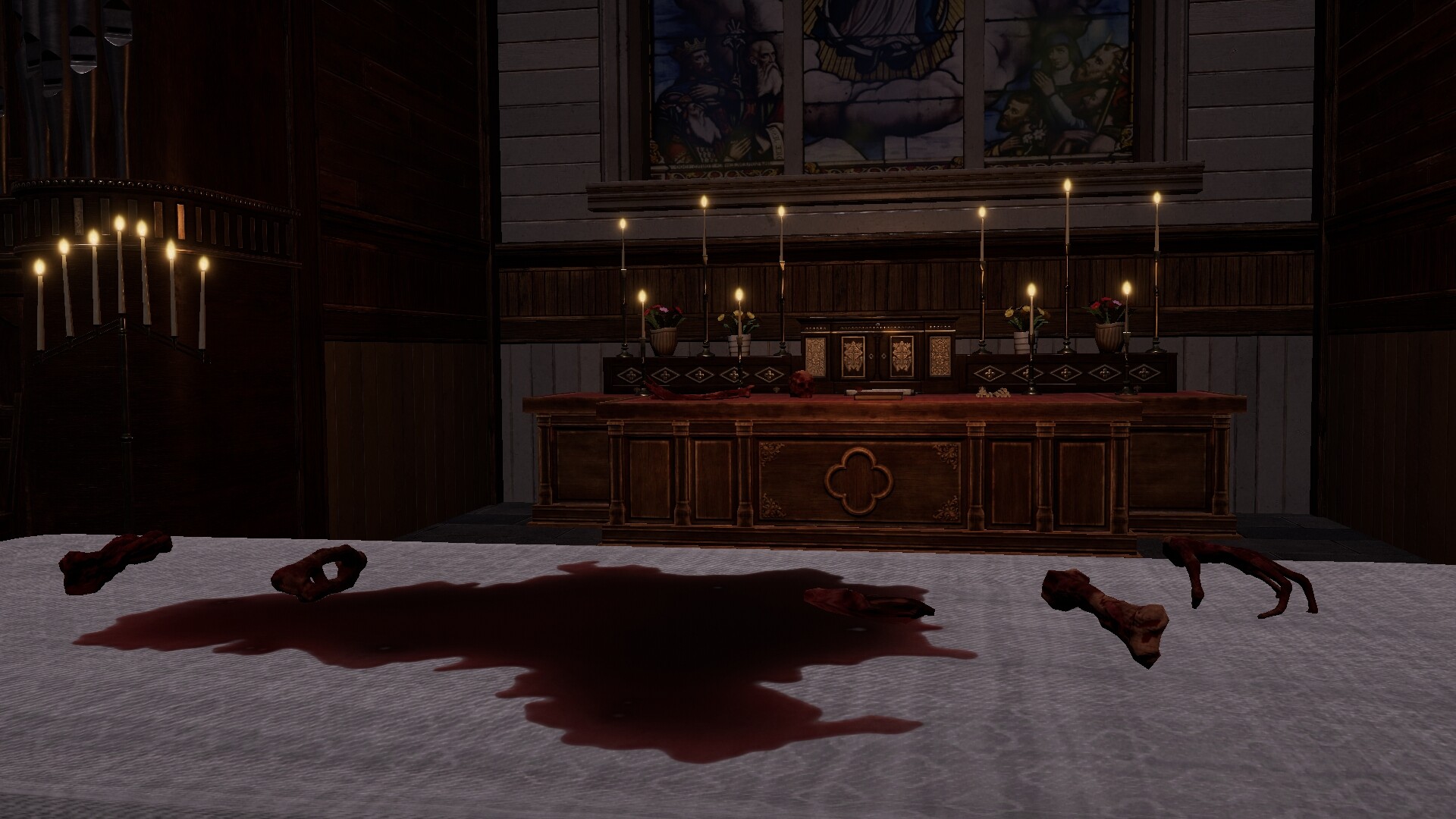
Steadyturtle Co., Ltd.’s Trace of the Villa casts you as Jin, a searcher who follows a cold lead into a remote, decaying mansion where restoring power becomes the key to unspooling a buried operation. The game’s puzzles hinge on systems — secured electronics, safes, encrypted documents and manifests — so reading rooms, chaining clues and thinking like an engineer-investigator form the core loop.

What this game is
Trace of the Villa is a single-player, story-rich action/adventure indie on Steam that frames investigation around a derelict estate cut off from the grid. According to the Steam page, Jin recovers manifests and hints that suggest his sister may still be alive; when he restores power, secured systems come back online, hidden compartments unlock and safes yield fragments of encrypted documents and suspicious transfer records. The reveal structure is deliberate: one solved lock or reactivated terminal tends to produce another clue to follow.
Who it’s for
If you enjoy slow-burn, atmospheric mystery adventures that prioritize environmental storytelling and chained puzzles — especially those built around power, systems, safes and documents — this is for you. Players who prefer fast reflex tests or multiplayer party puzzles will find Trace of the Villa positioned more toward solitary investigation and narrative discovery.
When and where
Trace of the Villa released on Steam on 28 May, 2026. It is listed on Steam as an Action / Adventure / Indie title developed and published by Steadyturtle Co., Ltd. (Steam appid: 3483660).
Why the theme — power, systems, safes, documents — matters here
The mansion’s off-the-grid status turns power restoration into a mechanical storytelling device. Restoring electricity isn’t just cosmetic: it returns life to secured systems, which in turn change the environment and present new puzzle states. Safes and encrypted documents become both rewards and expository tools, delivering fragments of manifests and transfer records that let you rebuild what the house and its occupants were concealing. That emphasis makes the game feel procedural and detective-like rather than purely symbolic or surreal.
How you progress — locked-room thinking and clue chains
Progress in Trace of the Villa is shaped by a chain-reaction design: fix a circuit or power a room, and previously inert devices supply codes, open compartments or expose paper trails. Reading the environment matters — furniture left mid-routine, personal belongings without names, and financial traces all act as connective tissue. The core skills the game expects are observational patience, note-taking of repeated motifs, and an ability to translate environmental hints into system-based solutions (rerouting power, matching transfer entries, or piecing together encrypted fragments).

Player scenarios — who will enjoy which parts
- The methodical investigator: Enjoys tracing financial records, decrypting document fragments and systematically reactivating systems. This player will appreciate the mansion-as-logic puzzle structure.
- The atmospheric explorer: Wants slow-burn mood and environmental storytelling — rooms that feel frozen and clues that imply a wider operation rather than tidy personal backstory.
- The puzzle-first solver: Likes safes, locks and chained puzzles that reward pattern recognition and careful note-taking.
- The action-focused player: May find the pacing slower and less focused on combat; the design centers on investigation and discovery.
Quick facts
| Title | Trace of the Villa |
|---|---|
| Steam AppID | 3483660 |
| Release date | 28 May, 2026 |
| Developer / Publisher | Steadyturtle Co., Ltd. |
| Genres | Action, Adventure, Indie |
| Key categories | Single-player, Color Alternatives, Custom Volume Controls, Playable without Timed Input, Subtitle Options, Family Sharing |
| Premise (short) | Jin searches a decaying mansion, restoring power to reveal manifests, safes and encrypted documents that hint his missing sister may still be alive. |
Comparison — where Trace of the Villa sits among mystery and puzzle peers
Below is an editorial comparison on lawful criteria: genre, atmosphere, puzzle focus, exploration style, story tone and pacing.
| Title | Genre | Atmosphere | Puzzle focus | Exploration style | Story tone / pacing | Best for |
|---|---|---|---|---|---|---|
| Trace of the Villa | Action / Adventure / Indie | Slow-burn, mansion mystery; systems-driven | Systems, safes, document fragments, chained clues | Single-player, methodical room-to-room investigation | Narrative-driven, steady reveal as power/systems are restored | Players who like environmental storytelling and locked-room logic |
| The Room | Adventure / Indie | Intimate, tactile, mysterious | Mechanical safes and puzzle boxes | Focused single-room/series progression | Concentrated puzzle tension and slow reveals | Puzzle lovers who enjoy inspecting devices and mechanisms |
| The Room Two | Adventure / Indie | Expanded cryptic atmosphere | Mechanical puzzles with layered interactions | Multi-location, still tightly curated | Slow, mysterious progression with set-piece rooms | Players who liked The Room and want broader locales |
| Escape Simulator | Adventure / Casual / Indie / Simulation | Bright, interactive, sandbox-like | Highly interactive object puzzles, physics | Room editor, solo or cooperative play | Pacing varies by room; many community-made scenarios | Players who want hands-on manipulation and co-op puzzles |
| Hi‑Fi RUSH | Action | Energetic, music-driven | Steam page
View Trace of the Villa on Steam YouTube discoveryFor trailer and gameplay discovery, use YouTube search rather than relying on unverified embeds: Find Trace of the Villa trailer and gameplay searches on YouTube. CommentsMore posts |
Leave a Reply