
Trace of the Villa — When locked-room thinking meets systems and safes
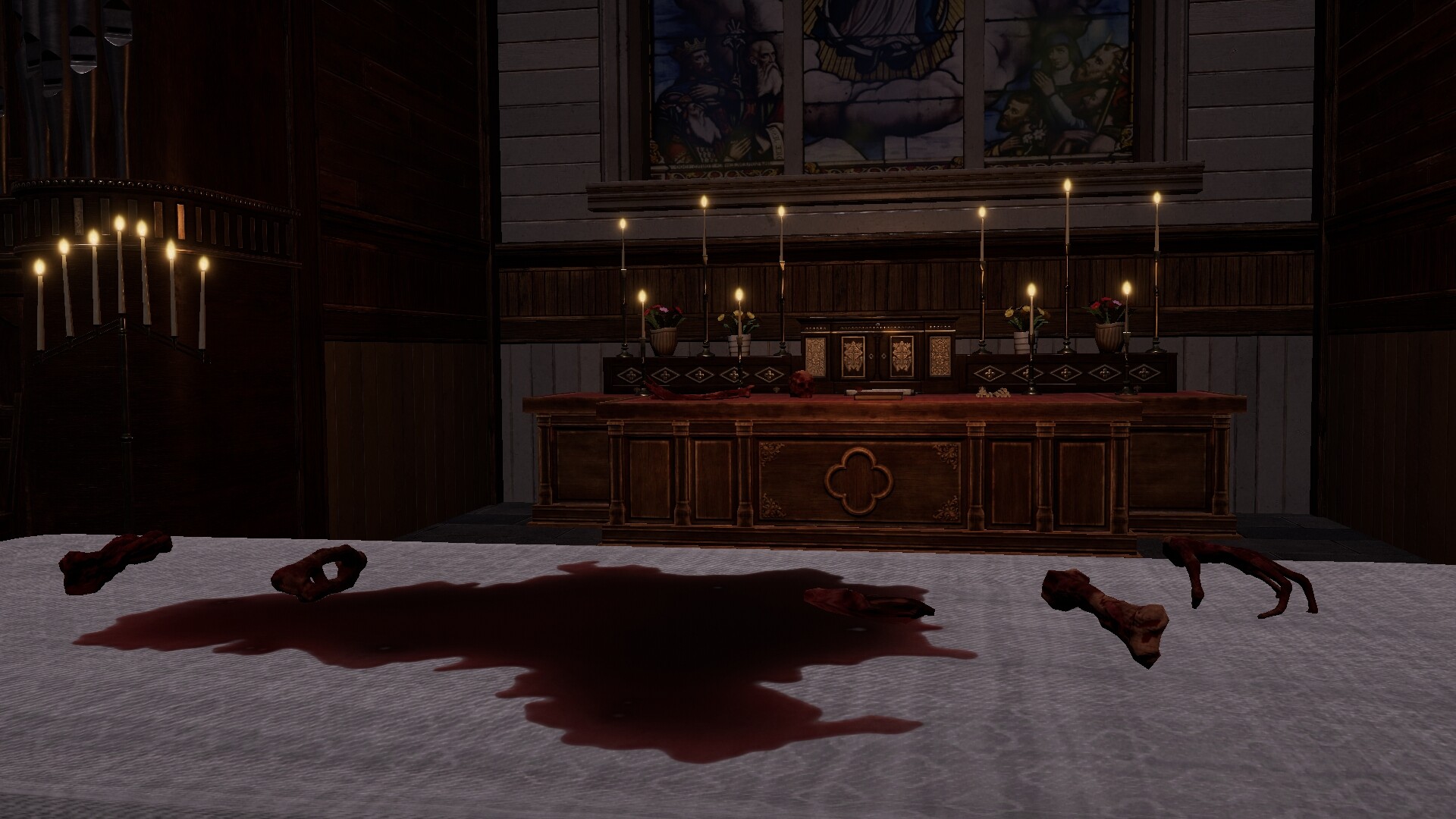
Trace of the Villa is an atmospheric mystery adventure that centers on Jin’s search for his missing sister inside a remote, decaying mansion where recovered manifests and locked systems hint that she may still be alive. The game leans on environmental storytelling, chains of clues hidden in safes and documents, and mechanics that reward restoring estate systems to reveal new evidence.

| Title | Trace of the Villa |
|---|---|
| Steam AppID | 3483660 |
| Developer / Publisher | Steadyturtle Co., Ltd. |
| Release date | 28 May, 2026 |
| Genres | Action, Adventure, Indie |
| Categories / Features | Single-player; Color Alternatives; Custom Volume Controls; Playable without Timed Input; Subtitle Options; Family Sharing |
| Official short description | Jin has spent years searching for his missing sister, pursuing leads that took him to a remote, decaying mansion where he recovered manifests and hints that indicate his sister may still be alive, somewhere at the end of the trail he is about to follow. |
Who is this for?
Players who prefer slow-burn suspense and story-rich adventure over reflex-driven action. If you enjoy environmental storytelling where a mansion’s layout, locked doors, safes and documents form a chain of evidence — and you like reading a space for hints rather than relying on timed mechanics — Trace of the Villa is aimed at that audience. The listing also notes accessibility-friendly options (subtitles, color alternatives, and playable without timed input), which suits methodical puzzle-solvers and narratively focused PC players.
What the game is — the official premise and mechanics you’ll meet
Official Steam material frames Trace of the Villa as Jin’s personal investigation into his sister’s disappearance. The estate is “cut off from the grid,” deliberately forgotten, and furnished as if occupants vanished mid-routine. A key mechanical motif is restoration: when Jin restores power to the estate, “secured systems come back online,” hidden compartments reveal themselves, and safes yield fragments of encrypted documents and suspicious transfer records. The progression is built around locked-room thinking — restoring systems, unlocking safes, decrypting documents, and following financial and identity traces to assemble a timeline.

When and where — Steam availability
Trace of the Villa released on 28 May, 2026 and is listed on Steam from developer/publisher Steadyturtle Co., Ltd. The Steam page consolidates the official premise and visual assets for PC players looking for story-driven mystery adventure on the platform.
Why the theme matters — systems, erasure and investigative pacing
Thematically, Trace of the Villa uses institutional erasure — missing records, falsified identities, financial trails that dead-end — to turn the mansion into a puzzle machine. That matters because it ties the player’s investigative actions to tangible mechanics: re-powering circuits isn’t just a puzzle, it’s the way the narrative unseals itself. For players who enjoy clue chains where each unlocked safe or recovered manifest meaningfully shifts the hypothesis about what happened, that design keeps story and systems tightly coupled.
How you progress — reading the environment and chaining clues
Progression appears to rest on three interlocking activities, as described in the official text: restore estate systems to re-enable locked or electronic elements; search rooms and safes for manifests, transfer records and encrypted documents; and piece together a timeline from falsified identities and suspicious transfers. That is classic locked-room logic applied at mansion scale: small confirmations (a power node, a ledger entry) unlock a new domain of inquiry (a safe code, a decrypted file), and each discovery shifts where you look next.
Player scenarios — which sessions match your taste
- You like methodical exploration: Play sessions that favor careful reading of room states and document trails, with no pressure from timed mechanics (the store page lists “Playable without Timed Input”).
- You like systemic puzzles tied to story: If restoring power, reactivating systems and opening safes to reveal narrative fragments appeals, this game’s mechanics are designed around those beats.
- You prefer atmospheric, psychological investigations: The mansion’s “erased” identity — furnished rooms, no photographs or names — points to a slow-burn, investigative tone rather than jump-scare horror or fast-paced action.
- You value accessibility and options: Categories include Subtitle Options and Color Alternatives, useful for players who need or prefer those features.
How Trace of the Villa compares — quick editorial table
| Title | Genre / Core loop | Atmosphere | Puzzle focus | Exploration style | Story tone / Pacing | Player fit |
|---|---|---|---|---|---|---|
| The Room | Adventure / Indie — single-player puzzle box | Claustrophobic, tactile | Mechanical safes and device puzzles | Small, focused rooms | Mystery-driven, deliberate pacing | Players who love single-device, tactile puzzles |
| The Room Two | Adventure / Indie — continuation of puzzle-box design | Mysterious, cryptic | Complex object-based puzzles | Chained chambers and vignettes | Slow-burn episodic reveals | Puzzle purists who favour handcrafted mechanical riddles |
| Escape Simulator | Adventure / Simulation — interactive escape rooms | Playful to tense depending on room | Highly interactive room-scale puzzles | Modular rooms; community-made variety | Variable pacing, often puzzle-heavy | Players who want interactivity and custom rooms/co-op |
| Hi-Fi RUSH | Action — rhythm-driven combat/adventure | Stylized, kinetic | Combat and timing, not investigative puzzles | Linear action stages | Fast, beat-driven pacing | Players who prefer action and musical sync over environmental investigation |
| Football Manager 2022 | Simulation / Sports — management simulation | Analytical, systemic | Data and systems-driven problem solving | Interface-driven exploration of systems | Slow, strategic pacing | Players who enjoy managing systems rather than narrative mystery |
Editorial note: these comparisons focus on genre, puzzle emphasis, atmosphere and pacing to help readers decide whether Trace of the Villa’s locked-room, document-and-safe driven approach fits their playstyle.
YouTube discovery
If you want trailer or gameplay clips, search YouTube: Steam page
Leave a Reply