
Trace of the Villa — an escape-room style, clue-driven mansion mystery on Steam
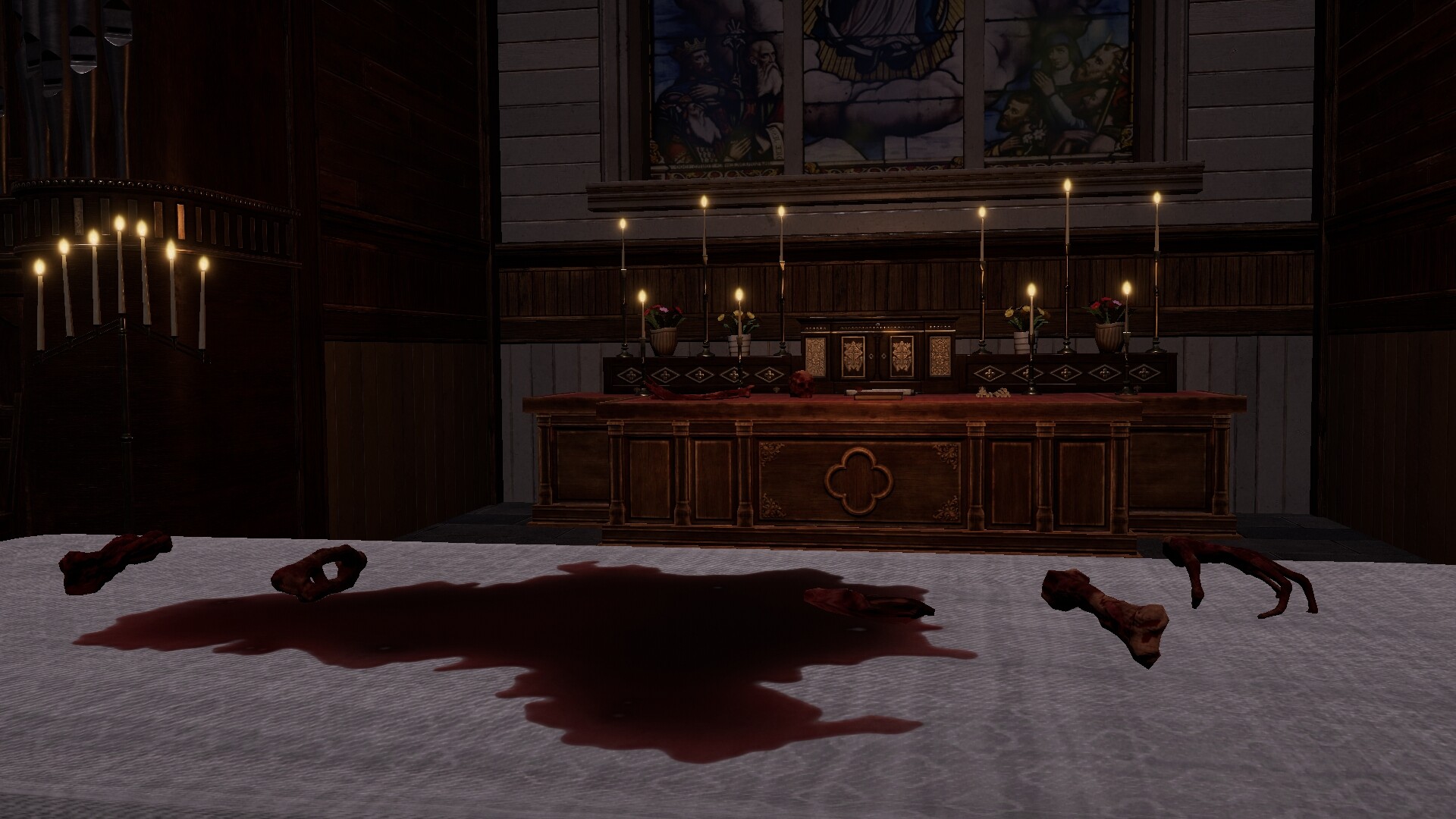
Trace of the Villa casts you as Jin, a man who follows a cold lead to a remote, decaying mansion and begins restoring its power to pry secrets loose. The game pairs slow-burn atmospheric investigation with puzzle loops that reward careful environmental reading: safes, secured systems and fragments of encrypted documents are the breadcrumb trail toward an unsettling operational truth.

Quick facts
| Title | Trace of the Villa |
|---|---|
| Release date | 28 May, 2026 |
| Developer / Publisher | Steadyturtle Co., Ltd. |
| Genres | Action, Adventure, Indie |
| Notable Steam categories | Single-player; Color Alternatives; Custom Volume Controls; Playable without Timed Input; Subtitle Options; Family Sharing |
| Platform / Store | PC (Steam) — Trace of the Villa on Steam |
| Steam AppID | 3483660 |
Who should consider wishlisting this?
Trace of the Villa fits players who prefer environmental storytelling and methodical clue chains over twitch reflexes. If you enjoy first-person investigation that relies on reading rooms, restoring systems, opening safes and assembling documentary fragments into a timeline, this is aimed at you. The game is presented as a single-player mystery with accessibility features like subtitle options and custom volume controls, so solitary, patient PC players who value atmosphere and puzzle-led narrative will find the pitch familiar.
What the game is (official premise and mechanics)
According to the official Steam description, Jin has spent years searching for his missing sister. Leads bring him to a property cut off from the grid: a decaying mansion that appears deliberately forgotten. When Jin restores power to the estate, secured systems come back online and locked elements reveal themselves. Safes and hidden compartments yield encrypted documents, manifests and suspicious transfer records. These artifacts combine into a clue chain that suggests falsified identities and movements masked behind false paperwork — hinting that the mansion was part of a larger, concealed operation rather than a simple residence.

Mechanically, the game emphasizes “locked-room” thinking: restore power, reactivate systems, interpret manifests, crack safes and decrypt documents to open the next node of the investigation. The official Steam listing highlights that these discoveries are paced so the mansion gradually reveals layers of activity and concealment.
When and where
Trace of the Villa released on 28 May, 2026 and is available on Steam for PC. The Steam store page lists developer and publisher as Steadyturtle Co., Ltd., and the Steam listing includes categories like single-player and accessibility options that make the game playable without timed input.
Why this kind of theme matters
Mansion mysteries that center on restored systems and documentary evidence invite a different kind of puzzle design than abstract riddles: the stakes feel investigative and personal. The official premise ties Jin’s personal search to tangible artifacts — manifests, transfer records, encrypted documents — which encourages players to assemble a timeline rather than merely crack isolated codes. For players who enjoy atmosphere, the idea that identities and histories have been erased raises narrative incentives to keep digging.
How progression works in practice
Progression is built on chaining discoveries: bringing power back online re-enables secured systems; systems reveal hidden compartments and safes; safes contain fragments of documents and financial traces; documents point to other locations or codes. The design rewards sleuthing across visual cues and small interactive beats, so careful observation and cross-referencing are the primary tools rather than trial-and-error or fast action. The Steam listing also notes accessibility options (subtitles, custom volume, no timed input), which suggests pacing that accommodates deliberate play.
Player scenarios — concrete examples
- If you like slow-burn atmospheric mystery: You’ll appreciate the mansion’s staged emptiness and the way restoring power unlocks narrative beats rather than immediate confrontation.
- If you enjoy document and systems puzzles: The official premise stresses manifests, encrypted documents and financial records — players who enjoy reconstructing timelines from paper trails should be engaged.
- If you prefer action or co-op: Trace of the Villa is single-player and focuses on investigation over multiplayer or competitive systems, so it’s less suitable for players seeking fast-paced combat or social puzzle rooms.
- If accessibility and comfortable pacing matter: Steam categories include subtitle options, custom volume controls and playable without timed input, supporting a measured, readable experience.
How it compares to nearby mystery and puzzle games
Below is an editorial comparison that focuses on genre, atmosphere, puzzle focus, exploration style, story tone and pacing to help position Trace of the Villa against a handful of reference titles.
| Title | Genre / Focus | Puzzle Style | Atmosphere & Tone | Pacing / Player fit |
|---|---|---|---|---|
| Trace of the Villa | Action / Adventure / Indie — single-player investigative | Environment & document-driven: restores systems, safes, encrypted documents | Slow-burn mansion mystery; erased identities and concealed operations | Methodical, investigative players who read environments and piece timelines |
| The Room | Adventure / Indie — single-room puzzle | Tactile mechanical puzzles centered on a cast-iron safe and objects | Claustrophobic, puzzle-box mystery | Players who enjoy focused, handcrafted puzzle boxes and tactile interaction |
| The Room Two | Adventure / Indie | Expanded tactile puzzles across connected spaces | Cryptic and atmospheric; continuation of puzzle-box tone | Players seeking layered mechanical puzzles with strong atmosphere |
| Escape Simulator | Adventure / Simulation / Indie — single & multiplayer | Highly interactive rooms with physics and object manipulation; community rooms | Varied — from playful to tense depending on room | Players who like interactive object puzzles and co-op options |
| Hi‑Fi RUSH | Action | Rhythm-action combat and set-piece systems (not document puzzles) |
Leave a Reply