
Trace of the Villa: why environmental dread, silence, and unsettling rooms matter more than cheap shocks
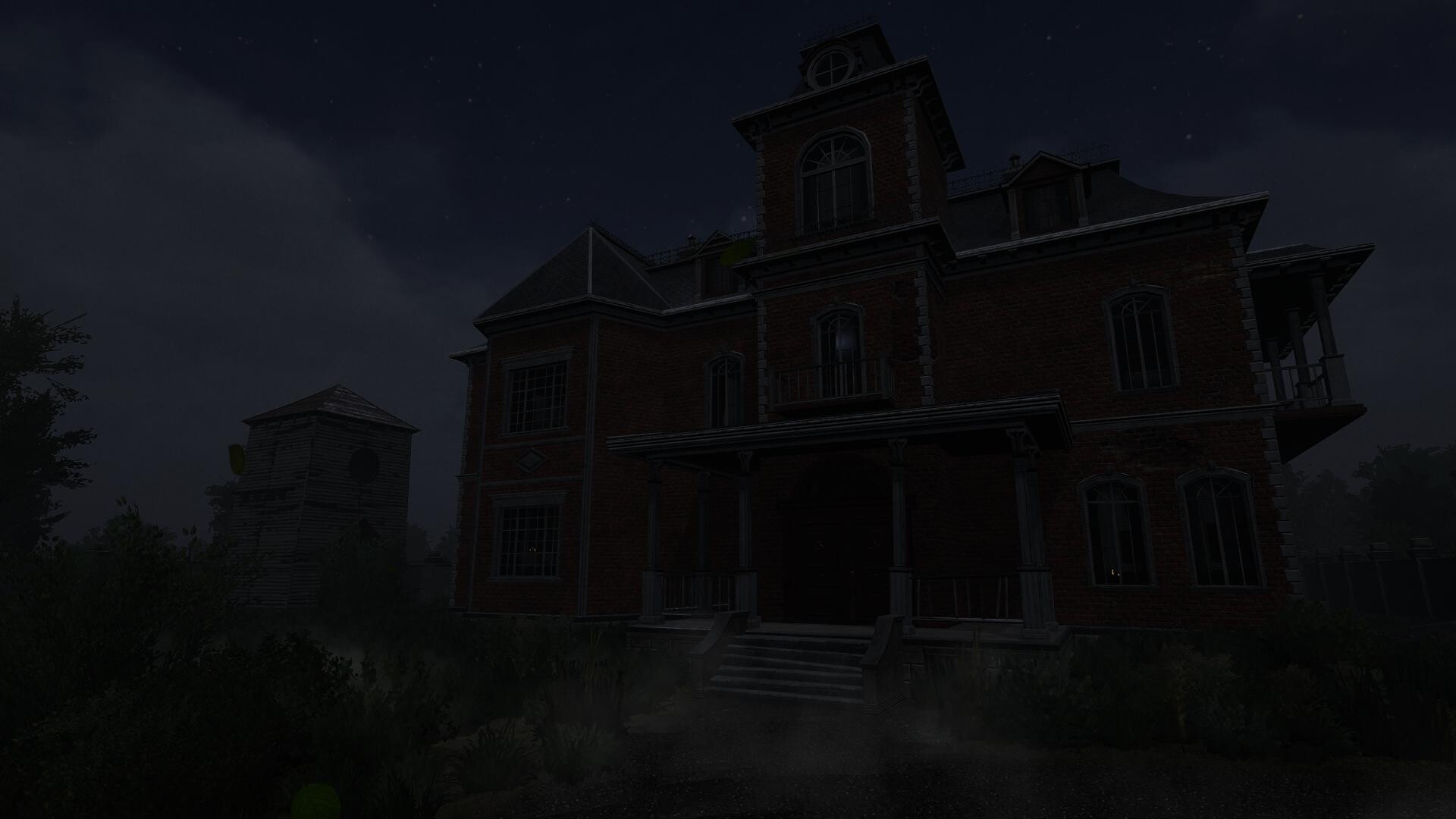
Trace of the Villa (Steadyturtle Co., Ltd., released 28 May, 2026) trades jump-scare theater for a slow-burn investigation: a decaying mansion, erased identities, and a protagonist piecing together manifests and encrypted fragments as the house quietly reveals itself. The game’s power comes from the weight of emptiness — the silence between clues, the deliberately preserved rooms, and the feeling that the house remembers more than it will ever tell.

Quick facts
| Title | Trace of the Villa |
|---|---|
| Developer / Publisher | Steadyturtle Co., Ltd. |
| Steam appid | 3483660 |
| Release date | 28 May, 2026 |
| Genres | Action, Adventure, Indie |
| Categories | Single-player; Color Alternatives; Custom Volume Controls; Playable without Timed Input; Subtitle Options; Family Sharing |
| Official short premise | Jin searches a remote, decaying mansion for signs that his missing sister may still be alive. |
Who should wishlist this
- Players who prefer atmospheric mystery adventure over fast-paced horror—those who enjoy reading environmental clues and assembling a story from fragments.
- Fans of story-rich adventure games where exploration and narrative puzzle design drive tension, not combat or timed reflex sequences.
- PC players looking for Steam indie horror with accessibility options (subtitles, custom volume, playable without timed input) and single-player focus.
What the game is (and what it intentionally isn’t)
Official Steam material frames Trace of the Villa as a clue-driven psychological investigation: Jin uncovers manifests, restores power, and opens locked compartments that reveal encrypted documents and suspicious transfers. The mansion is presented as a place “less abandoned than erased,” with furnished rooms and personal belongings but deliberately removed names and photos. That premise sets the tone: the dread is environmental and procedural — you read the house like an archive of absence.
When and where
Trace of the Villa is available on Steam; the release date listed on the store is 28 May, 2026. The Steam page lists typical PC-friendly options such as subtitle support, color alternatives, and family sharing.
Why quiet tension and uncertainty matter more than shock claims
Psychological horror that invests in silence and room design changes how a player experiences fear. A room staged as if someone vanished mid-routine invites you to form the missing pieces; empty dinner plates, a radio left on, an unlocked safe — these are triggers for inference, not reflex. Trace of the Villa uses those elements in its official description: restoring estate power brings systems back online, hidden compartments unlock, and the mansion’s financial and identity traces slowly assemble into a pattern. That structure rewards patient observation and makes every small discovery feel consequential.
How you read clues and progress
- Exploration and examination: the Steam description emphasizes finding manifests, encrypted fragments, and hidden compartments — the player advances by collecting contextual evidence and piecing timelines together.
- Environmental storytelling: rooms retained “as if occupants vanished mid-routine” become the primary text to interpret; the absence of explicit names or photographs forces inference.
- Restoration as mechanic: the act of restoring power on the estate is a concrete turning point mentioned in the official copy—re-energized systems reveal locked data and open new investigative threads.
Player scenarios — who will get the most from this atmosphere
- Investigators: you enjoy cataloging fragments — if assembling timelines from manifests, receipts, and encrypted files appeals to you, the game’s investigative loop will satisfy.
- Slow-burn tension lovers: if you prefer dread that accumulates through silence and room detail rather than frequent jump scares, this fits your taste.
- Explorers who value narrative puzzle design: players who like unlocking story beats through environmental interaction rather than combat or timed inputs will find the categories listed on Steam align with that approach.
How it differs from nearby mystery/puzzle games
| Title | Release | Genre / Focus | Atmosphere & Pacing | Puzzle / Exploration |
|---|---|---|---|---|
| Amnesia: The Dark Descent | 8 Sep, 2010 | Action, Adventure, Indie | Immersive first-person survival horror with high tension and dread. | Immersion and resourceless survival; discovery and atmosphere drive the experience. |
| SOMA | 21 Sep, 2015 | Action, Adventure, Indie | Sci‑fi horror with existential themes; steady, unsettling pacing under deep-sea settings. | Exploration and narrative discovery; puzzles serve to forward philosophical questions. |
| Layers of Fear (2016) | 15 Feb, 2016 | Adventure, Indie | First-person, heavily atmosphere-driven, psychologically disorienting mansion setting. | Environmental puzzle and storytelling; rooms shift and reveal the protagonist’s descent. |
| Poppy Playtime | 12 Oct, 2021 | Action, Adventure, Indie | Horror/puzzle adventure with stronger emphasis on set-piece threats and mechanical toys. | Puzzle-oriented with tool-based mechanics (GrabPack) and moments of active evasion. |
Compared to the titles above, Trace of the Villa’s official pitch leans into archival investigation and the dread of erased identity: the mansion is described as part of a “carefully concealed operation,” and progression explicitly rewards restoring systems and decoding fragments rather than frantic survival or fluctuating, reality-bending rooms.

Trailer and further discovery
If you want to see footage, use YouTube search to find trailers and gameplay: search Trace of
Leave a Reply