
Trace of the Villa — an atmospheric, clue-driven mansion mystery about a brother pursuing a vanished sister
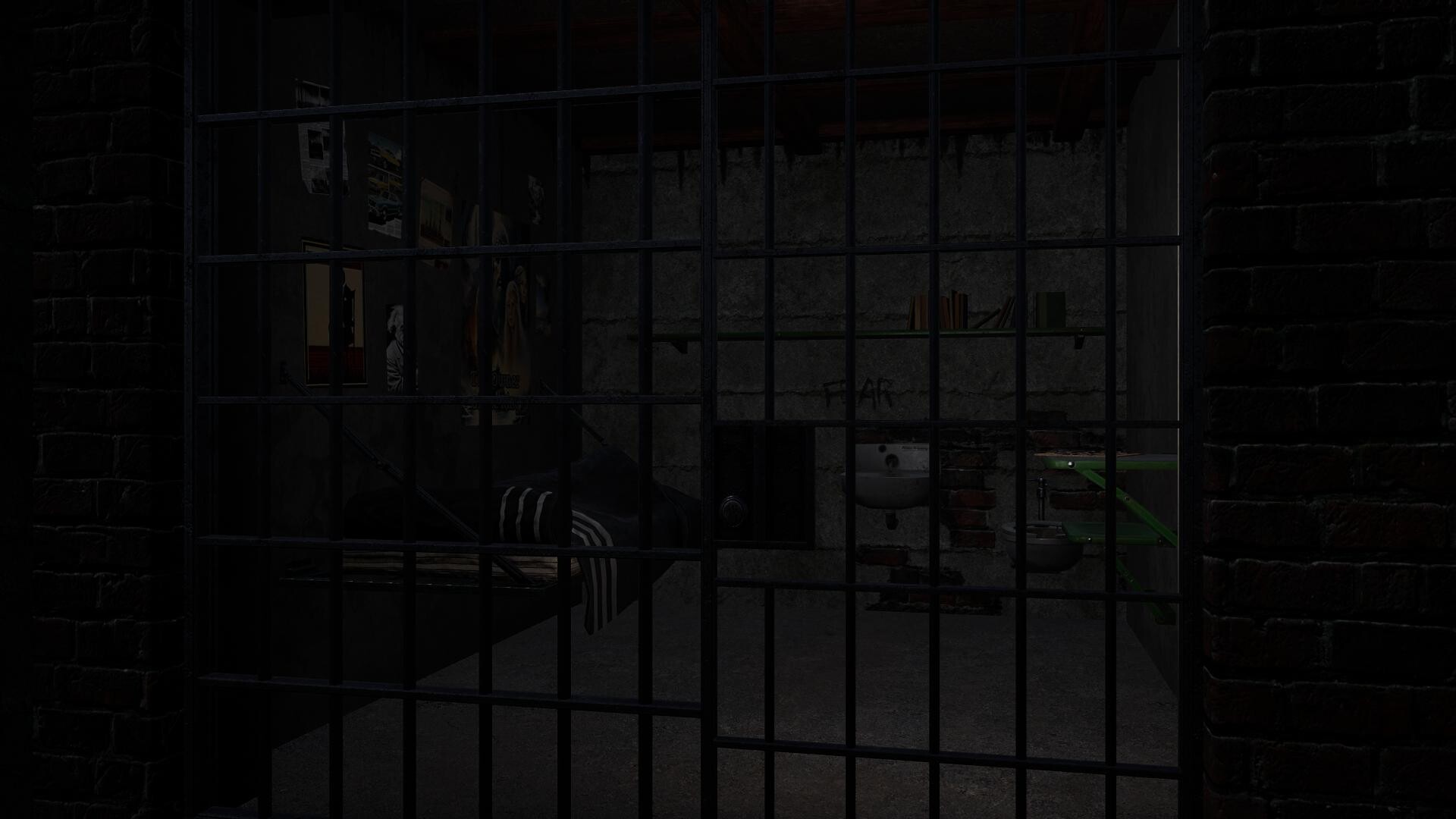
Trace of the Villa casts you as Jin, a man who has spent years following cold leads until one points to a remote, decaying mansion. The house refuses to be read like an ordinary residence: restored systems and unlocked safes reveal encrypted manifests and transfer records that suggest something larger — and more personal — happened there.

Who, what, when, where, why, and how
Who is this for?
Players who favor story-rich indie adventures with slow-burn suspense and emotional stakes: folks who want their mystery to feel personal (a family search) rather than purely plot-driven. If you prefer single-player, exploration-led mysteries with environmental storytelling and puzzle moments rather than twitch action, Trace of the Villa is aimed at your tastes.
What is the game?
Trace of the Villa is an Action / Adventure / Indie title from Steadyturtle Co., Ltd. that positions Jin’s search for his missing sister inside a deliberately abandoned mansion. On Steam it’s listed with single-player and accessibility-focused categories such as Color Alternatives, Custom Volume Controls, Playable without Timed Input, Subtitle Options, and Family Sharing—details that matter for players who value comfort and accessibility settings.
When and where can you play it?
Trace of the Villa launched on Steam on 28 May, 2026. The Steam app ID is 3483660 and the store page is available for browsing and wishlisting.
Why the theme matters — narrative hook and emotional stakes
The official premise centers the emotional stake: Jin isn’t simply investigating a creepy house — he’s following a lead that might return his sister. The mansion’s odd erasure of names and photographs, and the discovery of manifests and encrypted documents, create a twin curiosity: what happened here, and what was taken from the people who lived through it. That double mystery—procedural clues about an operation and a personal trail of loss—drives a narrative curiosity that keeps readers of the story invested.
How you read clues and progress
According to the Steam description, progress comes from restoring estate systems and opening secured compartments: turning the house’s power back on brings systems online, safes yield fragments of encrypted documents, and hidden compartments reveal suspicious transfer records. The gameplay language on the store page suggests a loop of environmental observation, unlocking systems, and piecing together timelines from documents and manifests rather than combat-heavy progression. That puts the onus on player attention, deduction, and pacing—reading the space as a witness to what was removed.

Quick facts
| Title | Trace of the Villa |
|---|---|
| Steam App ID | 3483660 |
| Developer / Publisher | Steadyturtle Co., Ltd. |
| Release Date | 28 May, 2026 |
| Genres | Action, Adventure, Indie |
| Notable Steam categories | Single-player; Color Alternatives; Custom Volume Controls; Playable without Timed Input; Subtitle Options; Family Sharing |
| Store page | Trace of the Villa on Steam |
How Trace of the Villa compares to nearby narrative mysteries
Below is a focused, editorial comparison based on genre, atmosphere, puzzle focus, exploration style, story tone, and pacing to help decide fit. These comparisons rely on public Steam descriptions and editorial context—intended to help you pick the right game for your preferred mystery style.
| Title | Genre | Atmosphere / Story tone | Puzzle focus | Exploration style | Pacing / Player fit |
|---|---|---|---|---|---|
| Trace of the Villa | Action / Adventure / Indie | Mansion mystery, personal search; erased identities and suspicious records (emotional weight linked to family). | Document fragments, restored systems, safes, and hidden compartments (clue-driven). | Indoor, estate-focused exploration with environmental storytelling. | Slow-burn; best for players who like reading spaces and piecing timelines. |
| Inscryption | Adventure / Indie / Strategy | Inky, psychological horror with meta-narrative layers (card-based framing). | Card mechanics mixed with escape-room style puzzles and meta-secrets. | Progression through structured rooms and card-session loops. | Tighter, experimental — for players who enjoy mechanical surprises and psychological twists. |
| Outer Wilds | Action / Adventure | Mysterious, cosmic; wonder-driven with melancholy undertones. | Puzzle and discovery via physics and timed events across locations. | Open-system, solar-system scale exploration. | Explorative and patient; ideal for players who enjoy learning systems and repetition with new insights. |
| Journey | Adventure / Indie | Minimalist, poetic, emotionally resonant exploration. | Environmental movement and progression rather than explicit puzzles. | Large, open spaces with an emphasis on atmosphere. | Quiet and contemplative; suited to players looking for mood over clues. |
| The Forgotten City | Adventure / Indie / RPG | Narrative-driven mystery with moral puzzles and time-manipulation elements. | Dialogue and consequence-driven puzzles tied to story decisions. | Dense, narrative-focused locales and time-loop mechanics. | Plot-centric; good for players who like moral puzzles and branching outcomes. |
| The Medium | Adventure | Psychological horror with supernatural dual-reality exploration. | Puzzles that exploit dual-reality perspectives and environmental clues. | Layered exploration across two simultaneous realms. | Atmospheric and tense; for players who want supernatural tones and psychological themes. |
Player scenarios — who should wishlist this
- You want a narrative hook tied to family and loss: the protagonist’s search for his sister makes investigative beats feel personally urgent.
- You prefer environmental storytelling and paper trails: manifests, encrypted documents, and transfer records are the primary levers for meaning.
- You need accessible options: Steam categories note Subtitle Options, Playable without Timed Input, Color Alternatives, and Custom Volume Controls.
- You like interior, mansion-scale mysteries rather than open-world puzzles — this is an estate-focused investigation
YouTube discovery
For trailer and gameplay discovery, use YouTube search rather than relying on unverified embeds: Find Trace of the Villa trailer and gameplay searches on YouTube.
Leave a Reply