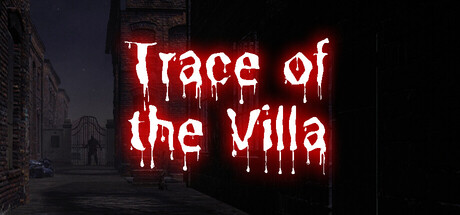
Trace of the Villa — how clue reading, object logic, and story puzzles shape the mansion mystery
Trace of the Villa is a slow-burn, atmosphere-first puzzle adventure that places investigation and environmental reading at its center. Released on 28 May, 2026 by Steadyturtle Co., Ltd., the Steam page frames the experience as a personal search through a deliberately erased mansion where restoring power and uncovering manifests reveal a larger, concealed operation.

Who is Trace of the Villa for?
This is for players who favor narrative puzzle adventures and psychological investigation over twitch action: people who enjoy reading clues in place, uncovering encoded documents, and assembling a timeline from environmental detail. If you appreciate atmospheric mystery adventure and patient, investigative pacing—where every object can be a piece of a story—this is aimed at you. The Steam page also lists accessibility-friendly categories (Color Alternatives, Custom Volume Controls, Playable without Timed Input, Subtitle Options), which helps players who prefer unhurried puzzle work.
What the game is
Officially: “Jin has spent years searching for his missing sister, pursuing leads that took him to a remote, decaying mansion where he recovered manifests and hints that indicate his sister may still be alive, somewhere at the end of the trail he is about to follow.” The Steam description expands on this: rooms preserved as if their occupants vanished mid-routine, locked doors, safes, encrypted documents and falsified identities. The investigation quickly becomes personal as secured systems come back online and the estate reveals financial trails and evidence of controlled movements.
When and where
Trace of the Villa released on Steam on 28 May, 2026. It is listed on Steam as Action / Adventure / Indie and as a Single-player title; see the official Steam page for the store listing and system details.
Why the theme matters — story puzzles as emotional engines
In narrative puzzle adventures, the stakes are often emotional rather than mechanical. Trace of the Villa’s premise—searching for a missing sister inside a place that has had identities stripped—automatically frames puzzles as clues to people and histories, not just obstacles. When safes yield fragments of encrypted documents and restored systems unlock hidden compartments, each solved puzzle recalibrates who vanished and why. That structure makes the act of decoding an investigative tool and an emotional reveal; players who want their puzzle answers to change how they view characters and place will find that payoff built into the design described on Steam.
How you progress: clue reading, object logic, story puzzles
The Steam description makes the progression logic explicit: restoring power, reactivating secured systems, and opening safes are core actions. That implies a layered information model—some puzzles are environmental (power, switches), some are object-based (safes, hidden compartments), and others are narrative (manifests, encrypted records). Success depends on careful clue reading—noticing objects left in place, interpreting manifests and transfer records, and linking financial or identity anomalies into a timeline. The combination makes the experience less about isolated mechanical puzzles and more about assembling a coherent story from physical and digital traces.
Compact facts
| Title | Trace of the Villa |
|---|---|
| Release date | 28 May, 2026 |
| Developer / Publisher | Steadyturtle Co., Ltd. |
| Genres | Action, Adventure, Indie |
| Key categories | Single-player; Color Alternatives; Custom Volume Controls; Playable without Timed Input; Subtitle Options; Family Sharing |
| Steam appid | 3483660 |
Player-fit scenarios (concrete)
- Scenario: You like slow-burn mansion mysteries. You’ll appreciate the preserved-room aesthetic and progressive reveals from restoring systems and opening safes.
- Scenario: You prioritize narrative-first puzzles. If you want puzzles that reframe characters and motivations as you solve them, the manifest-and-document trail is designed to deliver that payoff.
- Scenario: You prefer quick, self-contained puzzle rooms. This may be less satisfying—Trace of the Villa, per the Steam description, emphasizes layered investigation and story-building rather than standalone mini-puzzles.
- Scenario: You need accessible, non-twitch play. Steam lists “Playable without Timed Input” and subtitle options, indicating a calmer, readable pacing that benefits players avoiding speed-based mechanics.
How it compares — short editorial table
Below is a comparison on lawful editorial criteria: genre, atmosphere, puzzle focus, exploration style, and likely pacing/player fit, using publicly available descriptors.
| Title | Genre / Tone | Puzzle focus | Exploration style | Pacing / Player fit |
|---|---|---|---|---|
| Trace of the Villa | Action / Adventure / Indie — mansion mystery, psychological investigation | Clue-driven: manifests, safes, restored systems, encrypted documents | Environmental, layered reveals; narrative assembly | Slow-burn; for players who value story-linked puzzles and careful reading |
| The Room | Adventure / Indie — focused, tactile puzzle box atmosphere | Object-based mechanical puzzles (safe/box openings) | Single-room to multi-part puzzle areas, tight focus | Contained, tactile puzzles for players who like puzzle-box mechanics |
| The Room Two | Adventure / Indie — cryptic, atmospheric exploration | Progressive mechanical puzzles across varied scenes | Series of linked puzzle environments | For players who enjoy escalating, handcrafted puzzle design |
| Escape Simulator | Adventure / Casual / Indie — interactive escape rooms | Highly interactive, physics and object manipulation | Room-by-room escape rooms; includes community-made levels | For players who like physical manipulation and short-room challenges; both solo and co-op |
| Unpacking | Casual / Indie — zen, domestic story through objects | Block-fitting, object placement as narrative clues | Domestic spaces reveal life stories via possessions | For players who want gentle, story-driven object logic and low stress |
Editorial note: comparisons focus on design and player preference, not on superiority.
Visual samples
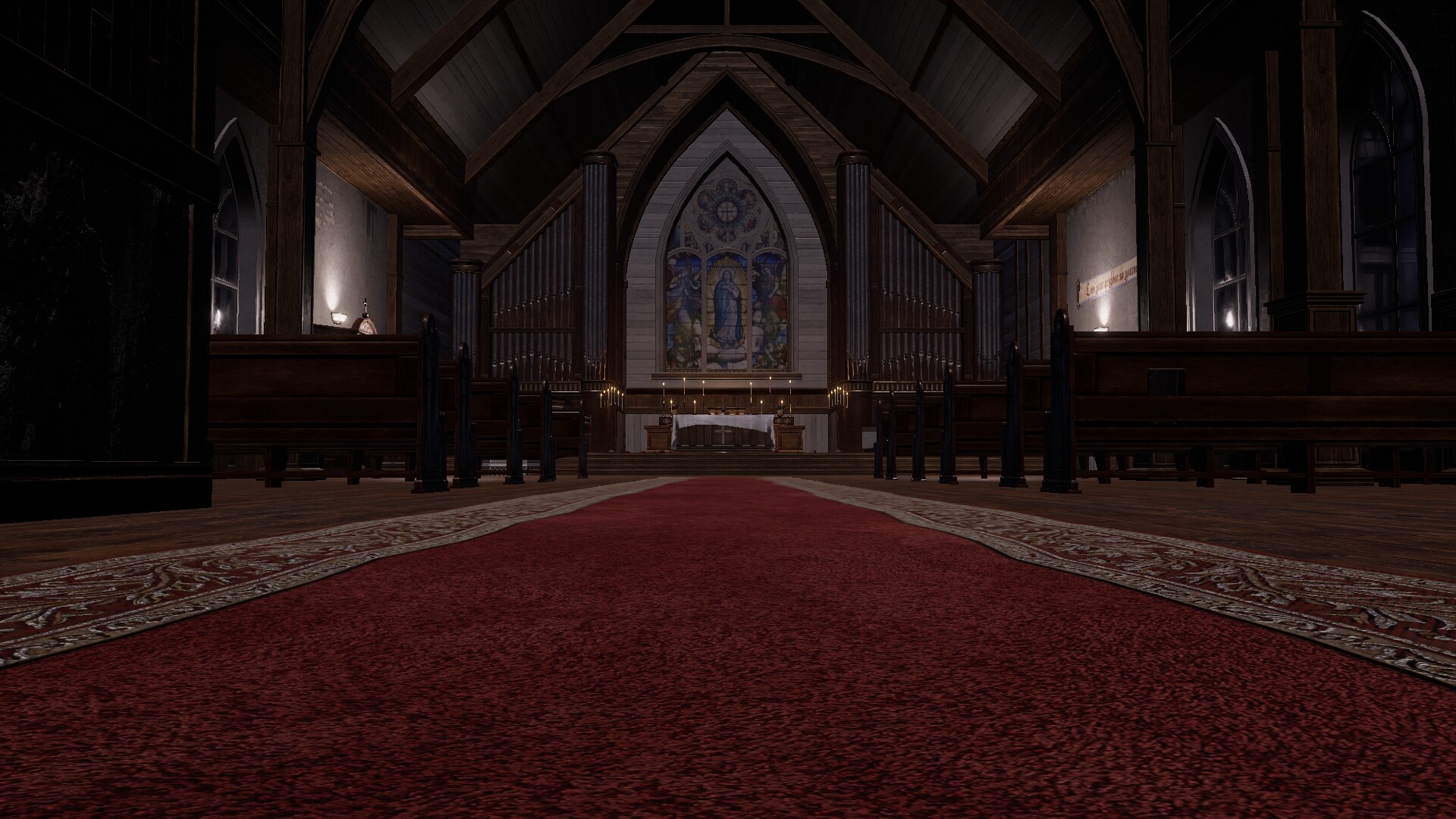

YouTube / Trailer discovery
If you want to preview gameplay and trailers, use this YouTube search path (search results may include trailers and gameplay footage): Search Trace of the Villa trailers & gameplay on YouTube.
Conclusion — should you wishlist it?
Wishlist Trace of the Villa if you want a narrative puzzle experience that emphasizes environmental storytelling, clue reading, and emotionally driven discoveries tied to documents and secured systems. If you prefer isolated mechanical puzzles or fast pacing, the game’s mansion-focused, narrative-assembly approach (as described on Steam) may not align with your tastes.
Steam store: Trace of the Villa on Steam
Referenced titles and trademarks belong to their respective owners; comparisons are editorial discovery only.
Leave a Reply