
Trace of the Villa — a locked-mansion mystery built around power, doors, and evidence
Trace of the Villa drops you into Jin’s obsessive search for a missing sister inside a remote, decaying mansion where power and access are the game’s metronome. Restoring electricity, reactivating sealed systems, and following chains of physical clues drive both exploration and the slow reveal of a falsified, erased past.

Quick facts
| Title | Trace of the Villa |
|---|---|
| Steam AppID | 3483660 |
| Release date | 28 May, 2026 |
| Developer / Publisher | Steadyturtle Co., Ltd. |
| Genres | Action, Adventure, Indie |
| Steam categories | Single-player; Color Alternatives; Custom Volume Controls; Playable without Timed Input; Subtitle Options; Family Sharing |
| Official short description | Jin has spent years searching for his missing sister, pursuing leads that took him to a remote, decaying mansion where he recovered manifests and hints that indicate his sister may still be alive, somewhere at the end of the trail he is about to follow. |
Who is this for?
If you like atmospheric mystery adventure on PC — slow-burn mansion tension, environmental storytelling, and puzzle loops that reward careful observation — Trace of the Villa is aimed at you. Players who prefer clue-driven exploration over twitch reflexes will appreciate that the Steam page lists features like “Playable without Timed Input” and subtitle options, indicating a design that favors reading and reconstruction rather than rapid, reaction-based sequences.
What the game is (and how it frames its mystery)
Trace of the Villa positions Jin’s investigation as a sequence of discoveries inside a property “cut off from the grid and deliberately forgotten.” The official description highlights how the house feels “less abandoned than erased” and how restoring power changes the mansion: secured systems come back online, hidden compartments unlock, and safes yield fragments of encrypted documents and suspicious transfer records. That framing makes the act of re-powering rooms a core mechanical and narrative device — not just a puzzle, but the way narrative evidence becomes accessible.
When and where — Steam context
Trace of the Villa released on 28 May, 2026 and is available on Steam for PC. The title is listed under Action, Adventure, and Indie and carries single-player and accessibility-friendly categories such as color alternatives and custom volume controls.
Why the theme matters — locked-room thinking, evidence chains, and environment as witness
What separates a generic puzzle romp from a psychological investigation is the sense that every object, every blacked-out circuit, and every sealed safe is a deliberate omission to be corrected. In Trace of the Villa the core theme is restoration: restore power, restore access, restore context. That restoration model turns environmental reading into evidentiary work — you don’t just solve a padlock; you reconstruct why the padlock was placed and what the absence of records means. For players who enjoy forensic thinking and piecing timelines together from small, concrete artifacts, this thematic focus rewards patient, methodical play.
How you play — the gameplay loop explained
The Steam description makes the loop explicit: initial exploration yields “manifests and hints”; reactivating estate systems returns functionality; secured systems unlock new areas; safes and encrypted documents produce further leads. Practically, that means you’ll cycle through three repeating stages:
- Locate partial clues in dim or locked areas (notes, manifests, locked cabinets).
- Restore power or access to re-enable systems and reveal new locations or compartments.
- Assemble documents and transfer records into a timeline that suggests arrivals, departures, and erased identities — then use that timeline to prioritize the next area to power up.
This chain — read environment, re-enable systems, expand access, and reconstruct evidence — is the design spine. It fits an escape-room sensibility without confining the player to a single sealed chamber: rooms interlock through systems and records rather than through isolated puzzle-box mechanics alone.

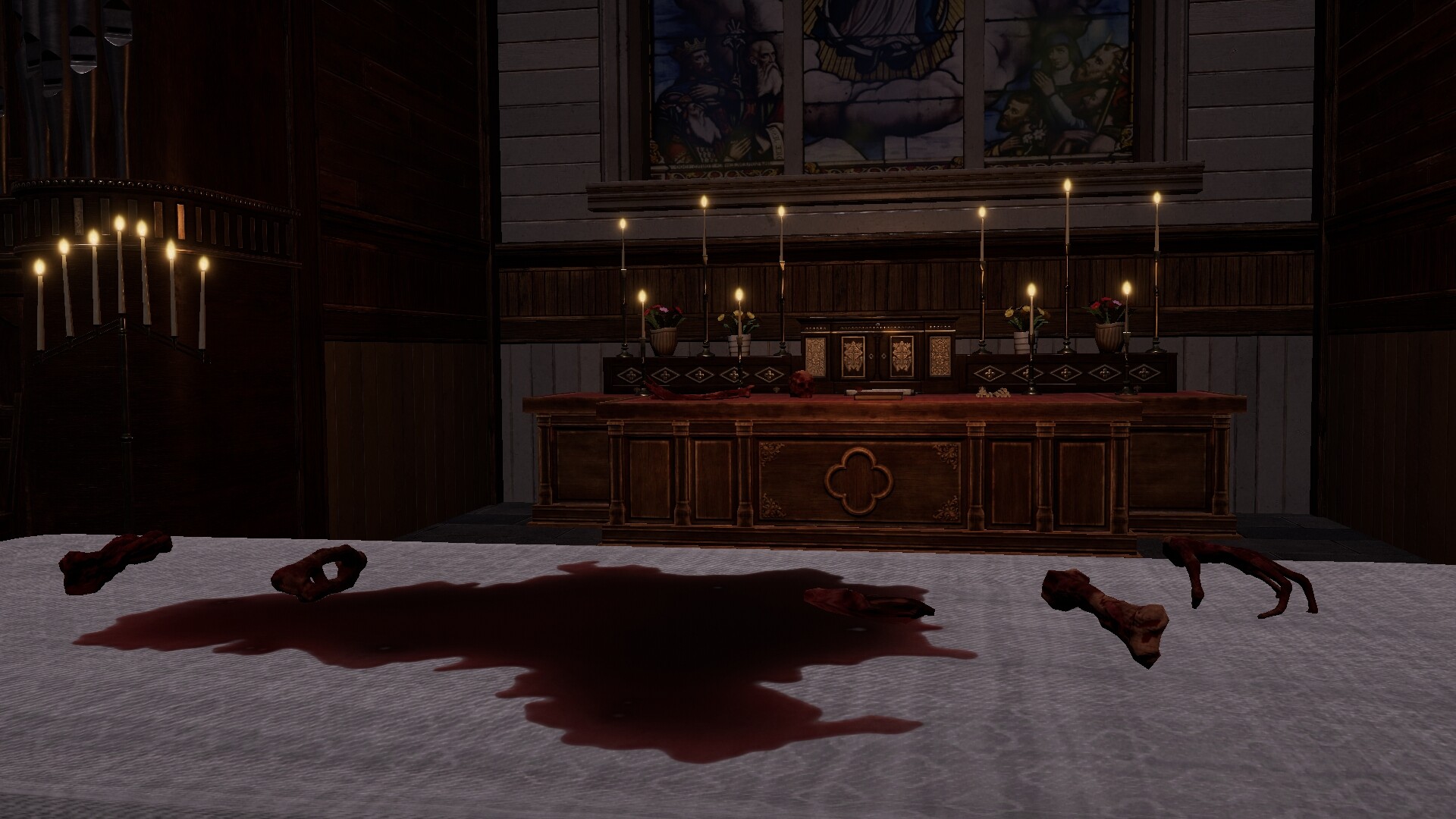
Player scenarios — who will enjoy specific hours with Trace of the Villa
- The methodical investigator: You keep notes, map locations in your head, and prefer solving a mystery over combat. The game’s evidence-reconstruction loop and lack of timed input suit a patient approach.
- The environmental reader: You look for story in furniture placement, missing photographs, and system logs. The mansion’s “erased” identities and falsified records make close inspection rewarding.
- The escape-room fan who wants scope: If you like puzzle-boxes but want a larger architecture that links rooms via power and systems, Trace of the Villa offers that stretched, mansion-scale puzzle flow instead of a single locked box.
- The narrative-first player: You prioritize plot beats and revelations. Restoring power isn’t merely mechanic; it’s the bell that rings in new narrative evidence.
How it stacks up — short editorial comparisons
Below is a focused comparison on tone, puzzle emphasis, and player fit with a few nearby games on Steam to help decide whether Trace of the Villa matches your tastes.
| Title | Core genre / feel | Puzzle emphasis | Exploration style | Story / tone | Player fit |
|---|---|---|---|---|---|
| Trace of the Villa | Action / Adventure / Indie — mansion mystery | Clue chains, reactivating systems, safes and encrypted documents | Interconnected rooms unlocked via power and systems | Slow-burn, forensic investigation of erased identities | Players who like environmental storytelling and methodical evidence-building |
| The Room (2014) | Adventure / Indie — tactile puzzle-box | Single-chamber, physical puzzle mechanics focused on mechanisms | Contained, room-scale progression | Claustrophobic, puzzle-driven atmosphere | Fans of tactile, self-contained puzzle boxes |
| The Room Two (2016) | Adventure / Indie — extended puzzle-box exploration | Mechanism-focused puzzles across several distinct scenes | Sequence of linked puzzle locations rather than open mansion | Mysterious and atmospheric with escalating reveals | Players who liked the original but want broader scope |
Leave a Reply