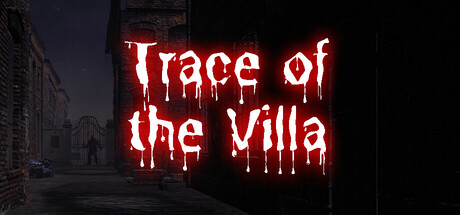
Trace of the Villa: why quiet tension and slow-burn uncertainty beat jump scares
Trace of the Villa (Steadyturtle Co., Ltd.) is a story-rich, atmospheric mystery adventure that places investigation and mood ahead of sudden shocks. Released on 28 May, 2026 for PC on Steam, it asks players to read a mansion’s silences—restoring power, unlocking sealed systems and piecing together encrypted fragments to follow Jin’s trail to his missing sister.

At a glance
| Title | Trace of the Villa |
|---|---|
| Steam AppID | 3483660 |
| Release date | 28 May, 2026 |
| Developer / Publisher | Steadyturtle Co., Ltd. |
| Genres | Action, Adventure, Indie |
| Categories | Single-player; Color Alternatives; Custom Volume Controls; Playable without Timed Input; Subtitle Options; Family Sharing |
| Premise | Jin follows a lead to a decaying, off-grid mansion and recovers manifests and hints that his missing sister may still be alive. |
Who this is for
If you prefer slow-burn suspense, environmental storytelling, and clue-driven exploration over constant adrenaline, Trace of the Villa is aimed at you. The game’s category list (single-player, subtitle options, playable without timed input) and its investigative premise suit players who like methodical, cerebral experiences: those who enjoy cataloguing evidence, replaying sequences to catch new details, and letting atmosphere do the heavy lifting.
What the game actually does
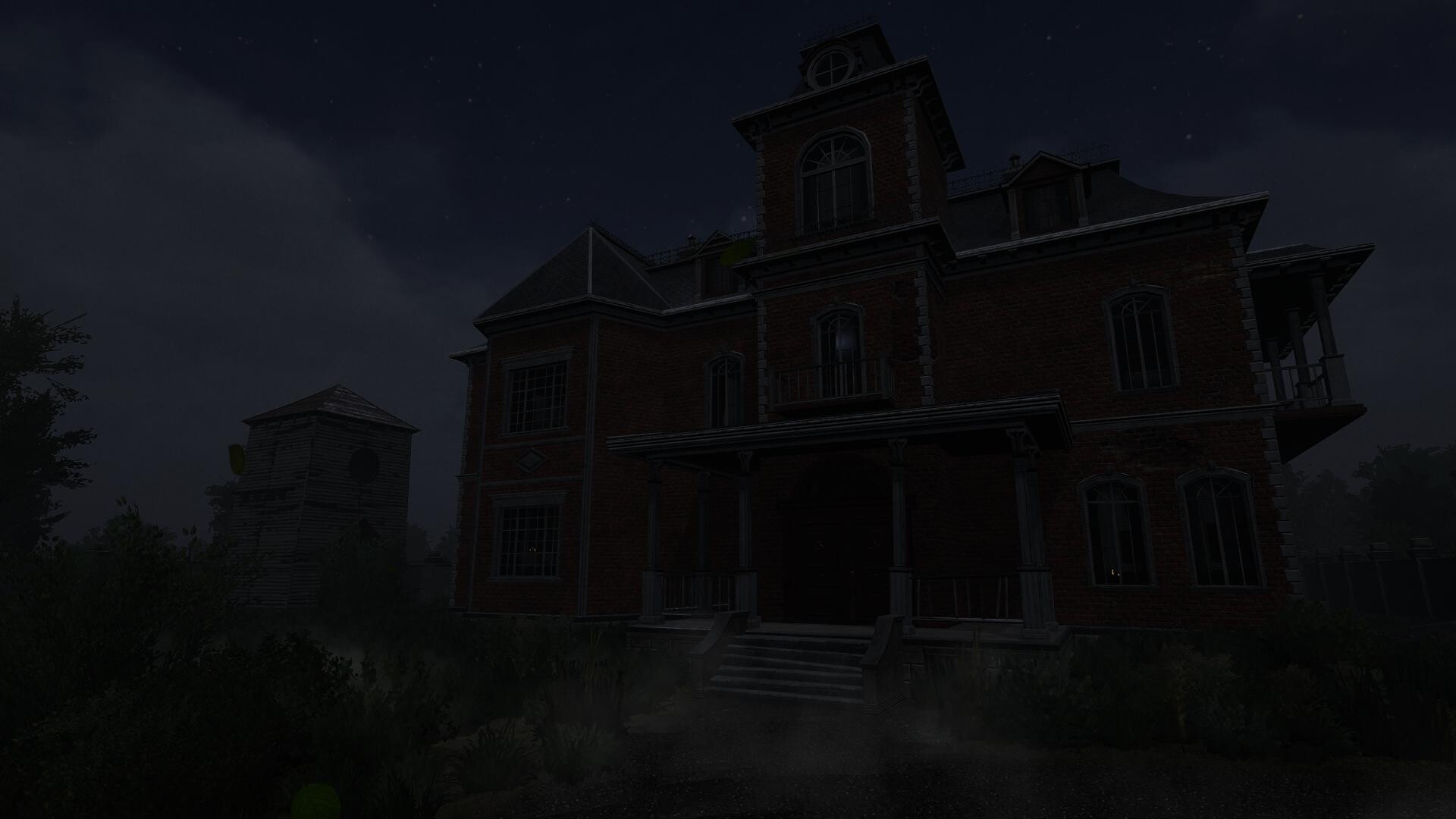
Trace of the Villa frames a psychological investigation in a decaying mansion. You play as Jin, who has spent years searching for his missing sister. The estate is cut off from the grid and purposely forgotten; rooms appear abandoned yet staged, personal effects left but names and photographs absent. When Jin restores power, secured systems come back online, hidden compartments and safes yield fragments of encrypted documents and suspicious transfer records, and a pattern of arrivals and departures begins to appear. Progress is puzzle-led and narrative-driven—each solved device or unlocked safe reveals more of the operation that used the house.

When and where
Trace of the Villa launched on Steam on 28 May, 2026. The Steam page lists the developer and publisher as Steadyturtle Co., Ltd., and the store page includes options and accessibility details such as subtitle support and the ability to play without timed input.
Why quiet tension and uncertainty matter
Psychological horror built around uncertainty trades the instant thrill of jump scares for lingering discomfort. In a mansion mystery where identities appear erased and systems come back to life piece-by-piece, unease grows from what’s absent as much as from what’s revealed. Trace of the Villa leans on slow discovery—encrypted documents, transfer records, and locked compartments—to convert curiosity into dread. That restraint lets player imagination amplify small details: a hallway left dim, a record that ends mid-line, the faint hum of systems returning.
How you progress
Progression is primarily investigative and puzzle-driven. Official store text describes restoring the estate’s power, reactivating secured systems, unlocking compartments and safes, and assembling fragments of encrypted documents and manifests. Each recovered clue ties into a broader pattern—arrivals without records and departures without witnesses—that pushes Jin closer to the truth. The design puts emphasis on environmental storytelling and narrative puzzle design rather than timed reaction checks or reflex-based confrontations.
Player scenarios: who should wishlist (and who should wait)
- Wishlist if: You enjoy atmospheric mystery adventure with methodical clue hunts, slow-burn suspense and environmental storytelling that rewards careful reading and backtracking.
- Consider waiting if: You prefer constant action, aggressive combat, or frequent high-intensity scares; Trace of the Villa emphasizes mood and investigation over non-stop shock.
- Accessibility-minded players: Subtitles and options like “playable without timed input” suggest patience-friendly design choices for slower-paced investigation.
How it compares to nearby mystery/puzzle games
Below is a compact editorial comparison focusing on atmosphere, pacing, puzzle emphasis and exploration style—useful cues for readers deciding between similar Steam indie horror experiences.
| Title | Release | Atmosphere / Tone | Pacing | Puzzle / Exploration Focus |
|---|---|---|---|---|
| Trace of the Villa | 28 May, 2026 | Mansion mystery; erased identities and slow unease | Slow-burn, investigation-led | Clue-driven: restore systems, unlock safes, piece together documents |
| Amnesia: The Dark Descent | 8 Sep, 2010 | Immersive, survival-leaning nightmare | Often tense and escalating | Exploration and sanity mechanics that force avoidance and stealth |
| SOMA | 21 Sep, 2015 | Sci‑fi existential dread under the sea | Measured, narrative-driven | Story-first exploration with environmental puzzles |
| Layers of Fear (2016) | 15 Feb, 2016 | Psychological, surreal mansion focused on art and madness | Variable, with creeping revelations | Atmosphere and changing spaces over combat—story puzzles and perception shifts |
| Poppy Playtime | 12 Oct, 2021 | Toy-factory horror with a pulpy edge | More encounter-driven and set-piece oriented | Puzzles mixed with set-piece threats and gadget use |
Editorial note: this comparison targets tone, pacing and puzzle emphasis to help readers match game design to preference. It is an editorial discovery, not a claim of endorsement or superiority.
Where to find trailers and gameplay
Search YouTube for trailers or gameplay footage (useful for gauging visual tone and pacing): Trace of the Villa — YouTube search.
Final take
Trace of the Villa is for players who let atmosphere, unanswered questions and slow discovery create tension. Its investigative loop—powering the house, reactivating systems and harvesting encrypted fragments—rewards patience and curiosity. If you prefer mood-driven horror where the dread accumulates from absence and implication rather than from steady jump-scare pacing, add Trace of the Villa to your wishlist.
Disclaimer: Referenced titles and trademarks belong to their respective owners. Comparisons above are editorial discovery only and not claims of endorsement.
Leave a Reply