
Trace of the Villa — a locked-mansion mystery built around clue chains and environmental reading
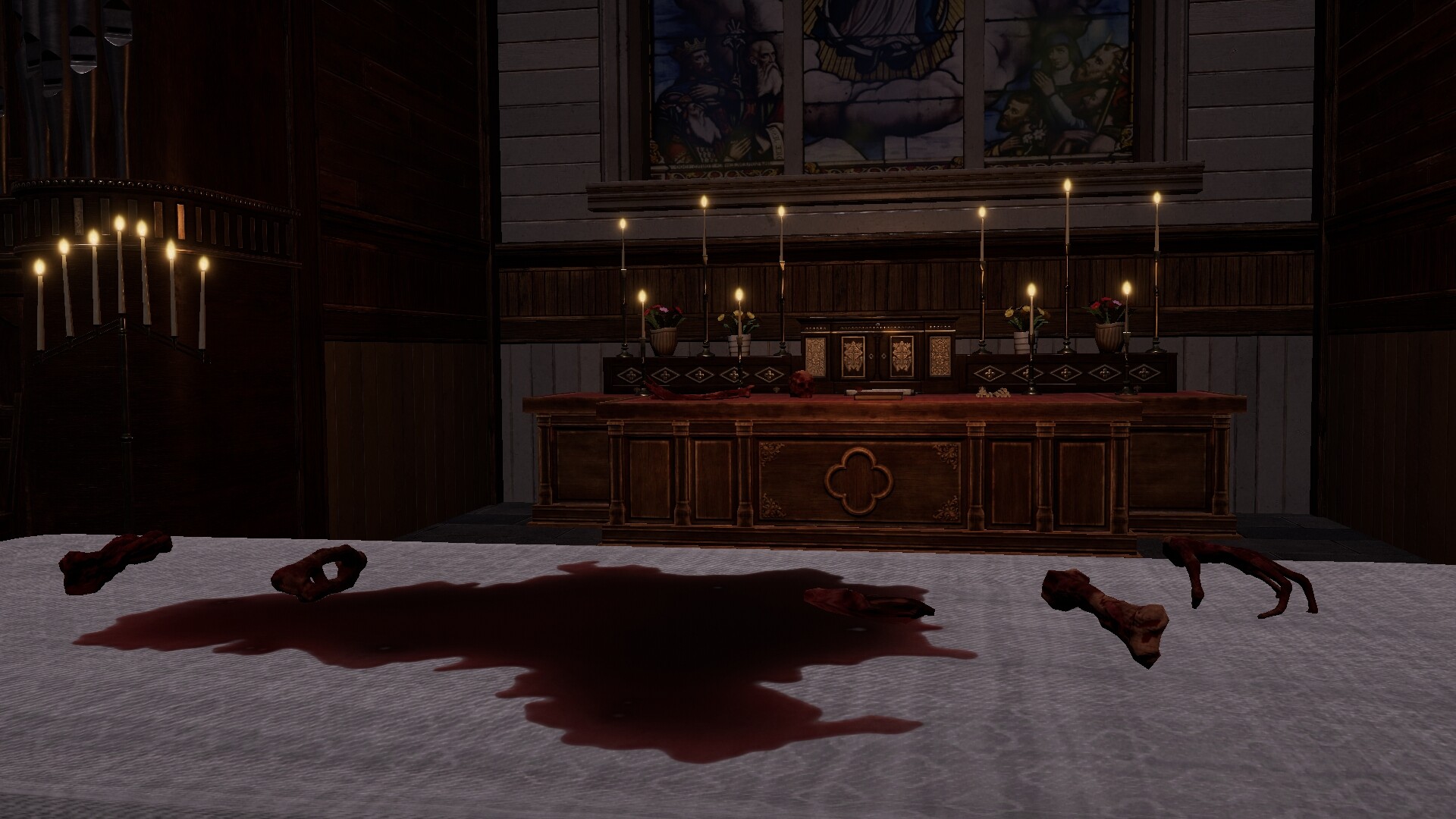
Trace of the Villa puts you in Jin’s shoes: a long, slow-burn investigation through a decaying mansion where recovered manifests and locked systems point to a possible reunion. Released 28 May, 2026 by Steadyturtle Co., Ltd., this Action/Adventure/Indie title leans on environmental storytelling and chained puzzles to move its mystery forward.

Who should wishlist this on Steam?
If you prefer atmospheric mystery adventure and story-rich exploration over twitch reflex tests, this is for you. Trace of the Villa suits players who enjoy methodical, item-and-clue-driven progression: those who like reading environments for context, building chains of inference from objects and documents, and following a single-player narrative that unfurls as you restore systems and unlock rooms.
What the game is (short, factual)
Trace of the Villa follows Jin, who has spent years searching for his missing sister and follows a lead to a remote, deliberately forgotten mansion. Inside, rooms look as if occupants vanished mid-routine; locked doors, hidden compartments and safes yield encrypted documents and suspicious transfer records. The house reveals layer after layer of evidence suggesting controlled arrivals and falsified identities. The game’s official listing frames this as a personal, clue-driven investigation supported by environmental puzzles and restored systems.
When and where
Trace of the Villa was released 28 May, 2026 and is available on Steam for PC. The Steam store page lists the developer and publisher as Steadyturtle Co., Ltd., and shows the game in the Action, Adventure, Indie categories.
Why the mansion mystery matters here
Mansion-set mysteries work well for locked-room thinking because the architecture naturally segments information: a closed room offers a limited set of objects, and each solved lock or recovered document opens a new segment of the house and the narrative. Trace of the Villa explicitly uses that affordance—restoring power and opening safes—as a pacing device. The emotional throughline (Jin’s search for his sister) gives clue-chains a human stake that rewards careful reading of props and system outputs rather than brute-force solutions.
How puzzle chains and environmental reading fit together
From the official description: when Jin restores power to the estate, secured systems come back online and hidden compartments unlock—each solved puzzle yields fragments (manifests, encrypted documents, transfer records) that act as the next node in a chain. That is classic escape-room logic applied to a single-player exploration game: an object or system reveals a lead, that lead points to another object or locked system, and so on. Players who enjoy cataloguing discovered items, cross-referencing documents, and using changes in the environment (lights, powered terminals, safes) as clues will find that momentum builds naturally through these linked discoveries.

Compact facts — Trace of the Villa
| Title | Trace of the Villa |
|---|---|
| Steam App ID | 3483660 |
| Release date | 28 May, 2026 |
| Developer / Publisher | Steadyturtle Co., Ltd. |
| Genres | Action, Adventure, Indie |
| Key Steam categories | Single-player; Color Alternatives; Custom Volume Controls; Playable without Timed Input; Subtitle Options; Family Sharing |
| Short premise | Jin follows leads to a remote, decaying mansion and uncovers manifests and hints that his missing sister may still be alive. |
How Trace of the Villa compares to other puzzle/mystery experiences
Below is a focused editorial comparison on the criteria that matter for locked-room and clue-chain players: genre, atmosphere, puzzle focus, exploration style, story tone, and pacing.
| Title | Genre / Core feel | Atmosphere | Puzzle focus | Exploration & pacing | Player fit |
|---|---|---|---|---|---|
| Trace of the Villa | Action / Adventure / Indie | Mansion mystery; slow, suffocating silence; erased identities | Clue-chains, locked systems, document fragments, environmental reading | Methodical, discovery-led; restoring power opens new threads | Players who like narrative puzzle chains and atmospheric detective work |
| The Room | Adventure / Indie | Claustrophobic, tactile puzzle-box vibe | Mechanical safes and ornate puzzle devices | Focused single-room progression; tightly scoped pacing | Players who enjoy intimate, tactile puzzle boxes and cryptic artifacts |
| The Room Two | Adventure / Indie | Expands the cryptic, atmospheric feel of the original | Layered mechanical puzzles with escalating complexity | Sequential, room-to-room escalation of puzzle complexity | Players looking for escalating, handcrafted puzzle design |
| Escape Simulator | Adventure / Casual / Indie | Interactive, experimental escape-room simulation | Highly interactive object manipulation and emergent solutions | Fast experimentation; sandboxy room design and community maps | Players who want tactile interaction, co-op or fast puzzle experimentation |
| Hi‑Fi RUSH | Action | Upbeat, music-driven combat world (contrasts with slow-burn mystery) | Puzzle elements minimal; emphasis on rhythm and combat | High-energy, fast-paced progression | Players who prefer kinetic action and rhythm over investigative pacing |
Specific player scenarios
- Solo investigator: You like sitting with a single case, returning to rooms with new evidence and building a timeline. Trace of the Villa’s locked systems and fragmentary documents reward reinspection.
- Slow-burn story fan: You prefer atmosphere and implication over constant action. The mansion’s “erased identities” setup aligns mood and stakes for players who savor tension built through revealed details.
- Puzzle-line completionist: You relish object-to-object logic chains—one solved safe feeding a fragment that points to another locked device. The game’s description emphasizes this chained reveal structure.
- Not for you if: you want fast co-op escape-room play, highly physical object manipulation, or action-focused pacing. Trace of the Villa emphasizes narrative investigation and environmental reading.
YouTube discovery
If you want trailers or gameplay clips, search YouTube for Trace of the Villa trailers and gameplay: Trace of the Villa trailer & gameplay (YouTube search). This link is a discovery path; it does not assert a specific official video.
View Trace of the Villa on Steam
Disclaimer: referenced titles and trademarks belong to their respective owners. Comparisons here are editorial discovery, not endorsements or claims of official association.
Leave a Reply