
Trace of the Villa: an escape-room style mystery built around restoring power, unlocking spaces, and reconstructing evidence
Trace of the Villa casts you as Jin, a man following a trail of manifests and hints into a remote, decaying mansion — a slow-burn, atmospheric mystery adventure that stages its puzzles around bringing the estate back to life. The core loop is explicit in the Steam description: restore power, watch secured systems come online, unlock rooms and safes, and piece together financial records and encrypted fragments to reconstruct what happened.

Quick facts
| Title | Trace of the Villa |
|---|---|
| Steam AppID | 3483660 |
| Release date | 28 May, 2026 |
| Developer / Publisher | Steadyturtle Co., Ltd. |
| Genres | Action, Adventure, Indie |
| Categories | Single-player; Color Alternatives; Custom Volume Controls; Playable without Timed Input; Subtitle Options; Family Sharing |
| Premise (official) | Jin searches for his missing sister and, after discovering a decaying mansion cut off from the grid, restores power to reveal secured systems, hidden compartments, and fragments of encrypted documents that point to a larger concealed operation. |
Who this is for
If you favor environment-first investigation over combat-heavy action, Trace of the Villa is pitched to players who enjoy narrative puzzle design and clue-driven exploration. The Steam page frames it as a story-rich adventure with a psychological investigation tone: expect slow-burn suspense, mansion mystery atmosphere, and puzzles tied into the estate’s systems rather than abstract lock-and-key challenges alone. Categories like “Playable without Timed Input” and subtitle/custom audio options also make it accessible to players who prefer methodical pacing and careful reading of space.
What the gameplay loop actually looks like
The official description emphasizes a distinct sequence: restore power → secured systems come back online → hidden compartments and safes unlock → recover fragments of manifests, encrypted documents, and suspicious transfer records → use those fragments as clues to unlock new areas and timelines. In practice, that means exploration and puzzle solving are tightly coupled with environmental storytelling: powered devices reveal logs or open mechanisms; safes yield paperwork that reframes earlier discoveries; and each unlocked space provides both mechanical access and narrative context.
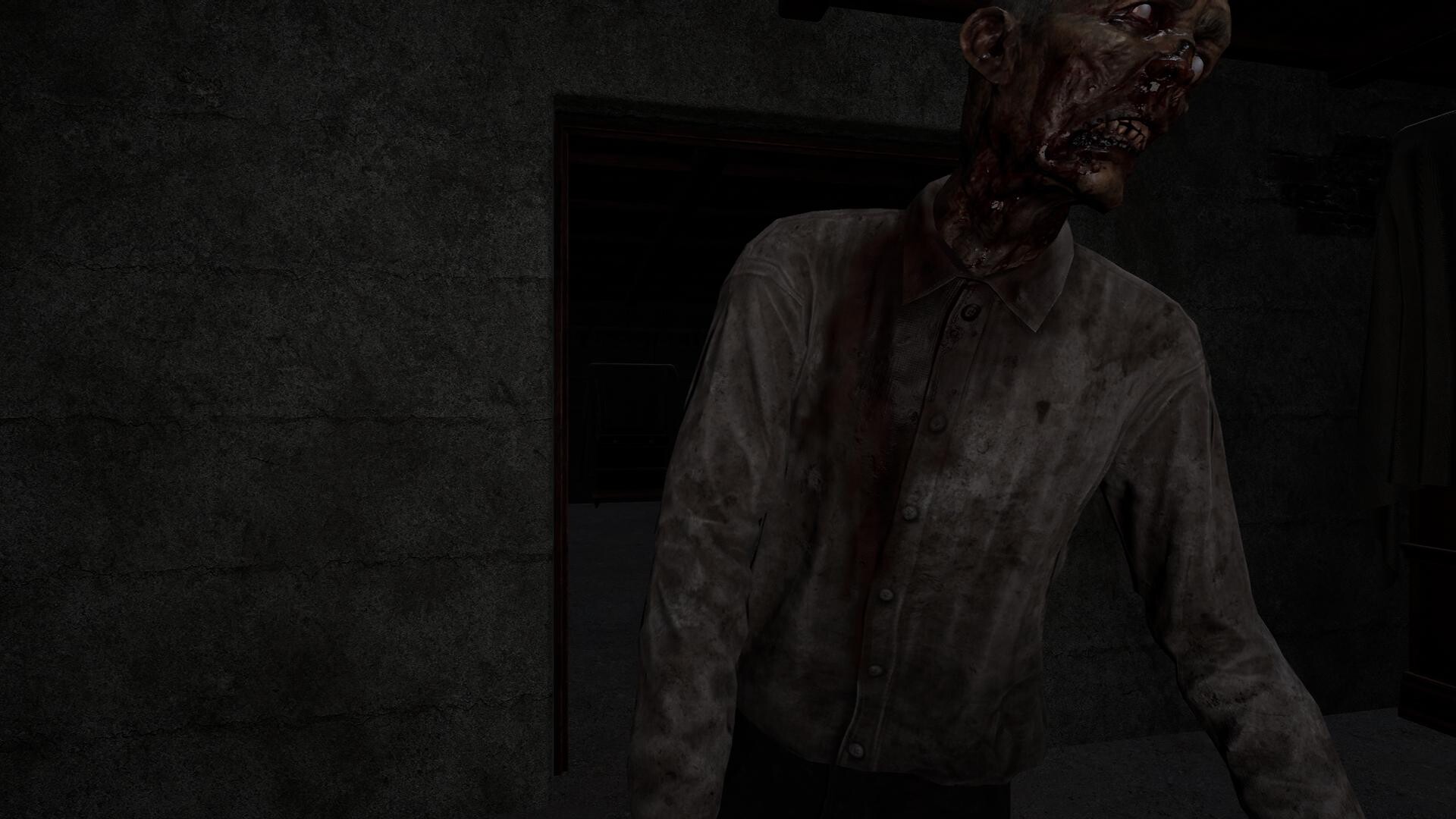
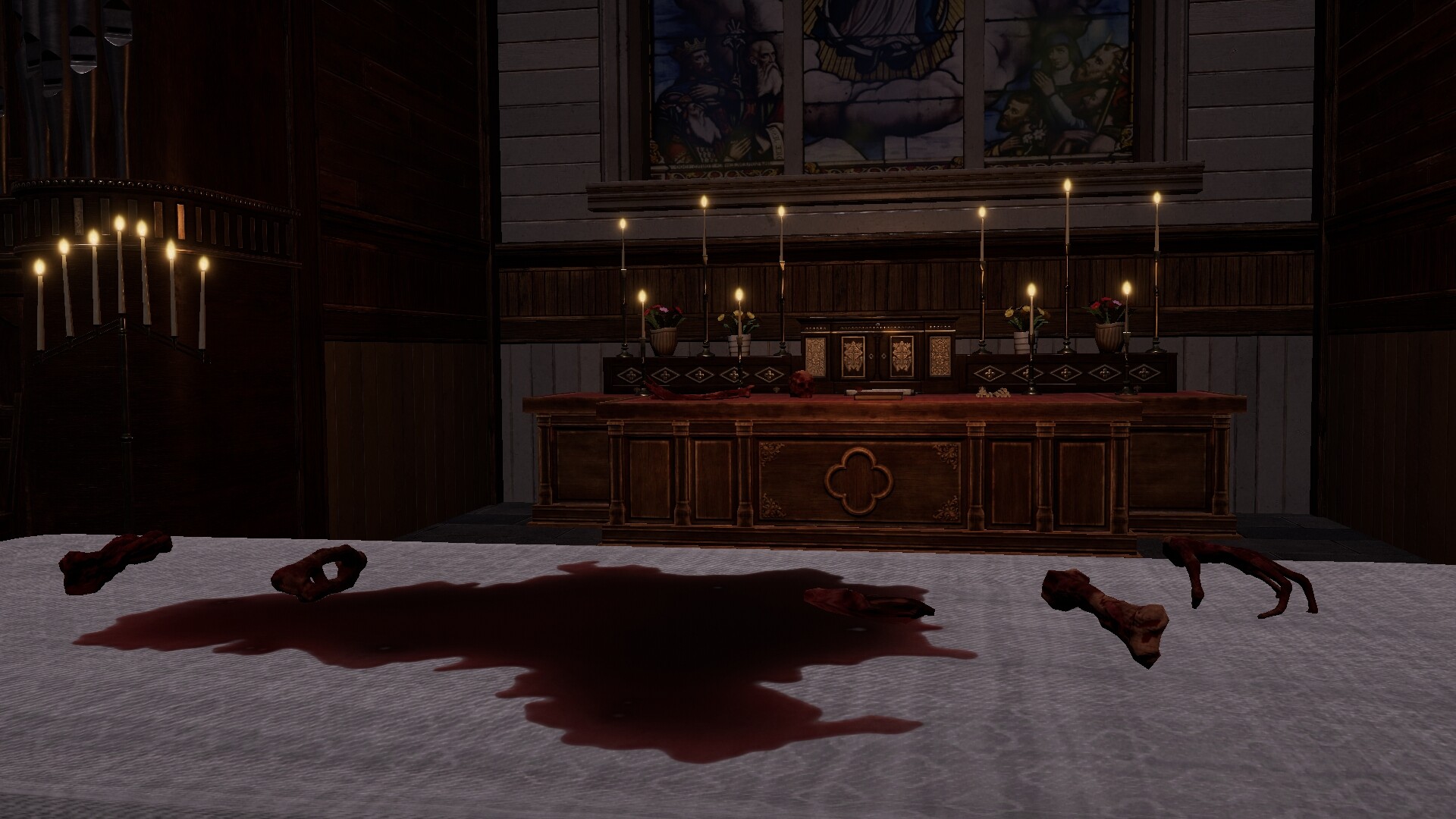
When and where — Steam details
Trace of the Villa launched on Steam on 28 May, 2026. It’s listed under Action / Adventure / Indie and includes single-player and accessibility-friendly categories such as Color Alternatives, Custom Volume Controls, Playable without Timed Input, Subtitle Options, and Family Sharing. The Steam page provides the official short description and a fuller narrative summary describing Jin’s investigation into a property “cut off from the grid.”
Why the mansion-and-power motif matters
Using power restoration as a structural device changes how puzzles and story intersect. Rather than isolated puzzles that open doors in sequence, power functions as a metapuzzle: flipping a breaker or reactivating a server can transform multiple spaces at once, reveal new UI elements, or retroactively annotate items you previously ignored. That design emphasizes reading the environment for temporal changes — not just solving a single riddle, but watching the house reveal a chain of evidence as you bring it back online.
How you’ll read clues and reconstruct evidence
- Trace fragments and manifests act as connective tissue: a document recovered from a safe can give context to a ledger on a desk, which then points to a locked room.
- Systems returning online provide new data streams: security logs, encrypted fragments, or device states that must be interpreted alongside physical clues.
- Progression is cumulative: puzzles and unlocked content don’t just grant access; they supply evidence that reshapes your timeline of events.
Player scenarios — specific examples of fit
- Investigation-first player: You prefer reading logs, cross-referencing documents, and letting the environment narrate. The power-restoration loop rewards careful inventorying and patience.
- Atmosphere-driven explorer: You want a slow-burn mansion mystery with psychological undertones and spaces that feel “erased” rather than simply abandoned; the game’s furnished-but-empty rooms and missing personal identifiers are central to that mood.
- Puzzle completionist: You enjoy chained clues where one solution unlocks multiple follow-up puzzles. The estate’s systems and safes yield fragments that feed other puzzles across rooms.
- Accessibility-conscious player: With categories like Playable without Timed Input and Subtitle Options, the game’s pacing and options will suit players who need non-twitch experiences and clear text support.
How it compares to other escape-room and environmental puzzle titles
| Title | Genre / Focus | Puzzle style | Exploration | Tone / Pacing | Release Date |
|---|---|---|---|---|---|
| The Room | Adventure / Indie — tactile puzzle box | Mechanic-driven, single-object puzzles | Confined scene-by-scene | Claustrophobic, focused; measured pacing | 28 Jul, 2014 |
| The Room Two | Adventure / Indie — extended tactile puzzles | Layered mechanical puzzles with vignette progression | Multiple interconnected scenes | Mysterious, methodical | 5 Jul, 2016 |
| Escape Simulator | Adventure / Simulation — interactive escape rooms | Highly interactive object manipulation; community rooms | Room-scale variety; user-created content | Playful to challenging; variable pacing | 19 Oct, 2021 |
| Hi‑Fi RUSH | Action — rhythm-action narrative | Combat and rhythm-based systems, not classic puzzles | Linear levels with set-piece progression | Fast, kinetic, upbeat | 25 Jan, 2023 |
Editorially: if you prize environmental storytelling and a clue-chain structure where restoring systems reveals narrative fragments across multiple spaces, Trace of the Villa is pitched toward that same playstyle more than toward smash-and-examine or rhythm-action designs.
Steam page & trailer discovery
View Trace of the Villa on Steam: https://store.steampowered.com/app/3483660/Trace_of_the_Villa/
Search for trailers and gameplay on YouTube: https://www.youtube.com/results?search_query=Trace+of+the+Villa+trailer+gameplay (use this as a discovery path — not an assertion of a specific official video).
Final take — who should wishlist it
Wishlist Trace of the Villa if you want a narrative puzzle adventure that uses power restoration as a structural storytelling device: players who enjoy atmospheric mystery adventure, slow-burn suspense, and clue chains that reward patient reading of environments should find the loop compelling. If you expect twitch combat or fast-paced action, the Steam description and categories suggest this is more investigation-focused than action-first.
Disclaimer: Referenced titles and trademarks belong to their respective owners; comparisons above are editorial discovery only and do not imply endorsement or sponsorship.
Leave a Reply