Who should consider Trace of the Villa after enjoying atmospheric mystery adventures
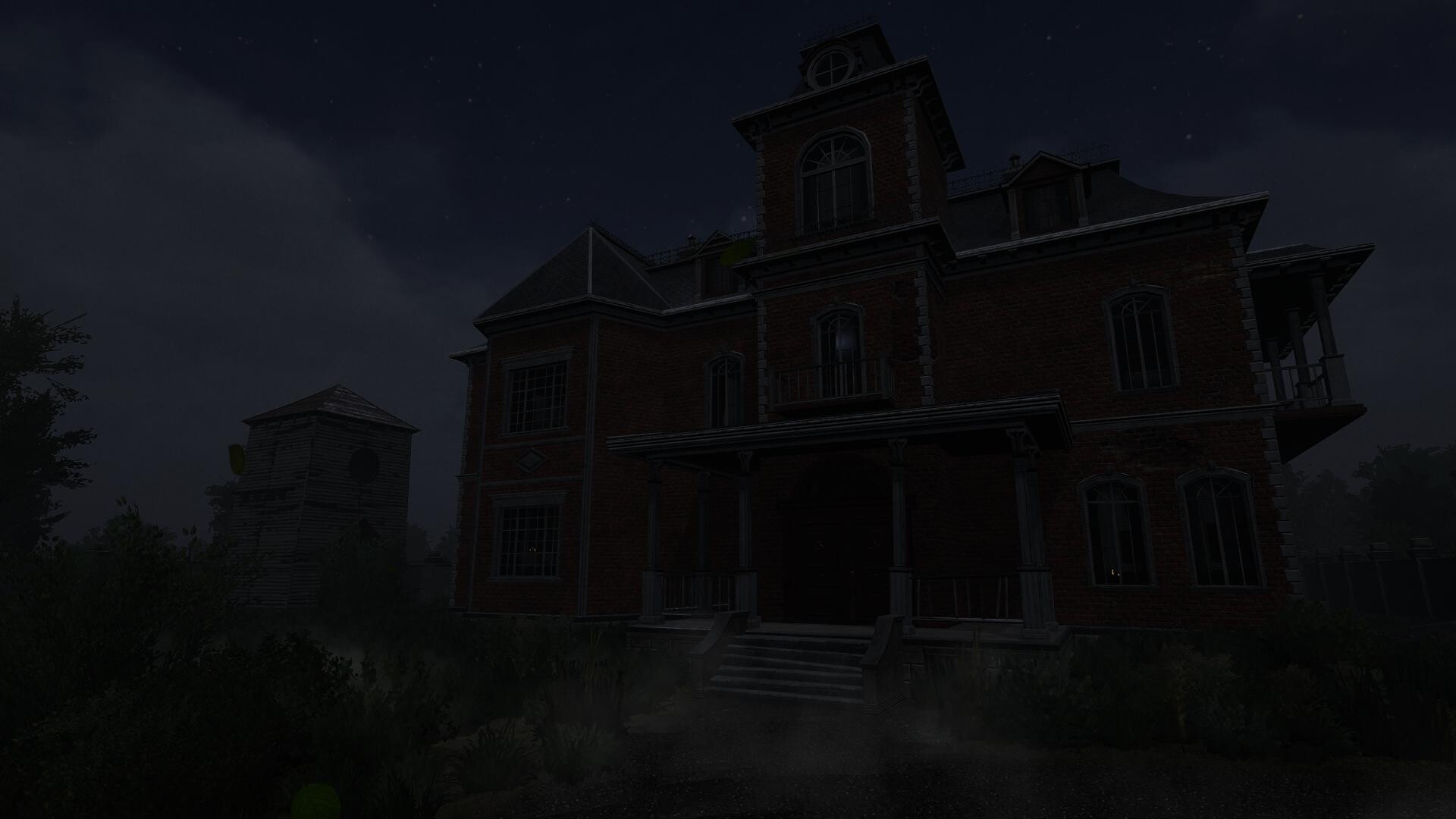
Trace of the Villa drops you into a slow-burn, clue-driven investigation inside a remote, decaying mansion where Jin searches for his missing sister. If you prize environmental storytelling, forensic curiosity, and careful piecing-together of evidence over combat-heavy thrills, this Steam indie is tailored to that mood.

Quick facts
| Title | Trace of the Villa |
|---|---|
| Developer / Publisher | Steadyturtle Co., Ltd. |
| Release date | 28 May, 2026 |
| Genres | Action, Adventure, Indie |
| Steam categories | Single-player; Color Alternatives; Custom Volume Controls; Playable without Timed Input; Subtitle Options; Family Sharing |
| Platform / Store | PC — Steam (store page available) |
What the game is
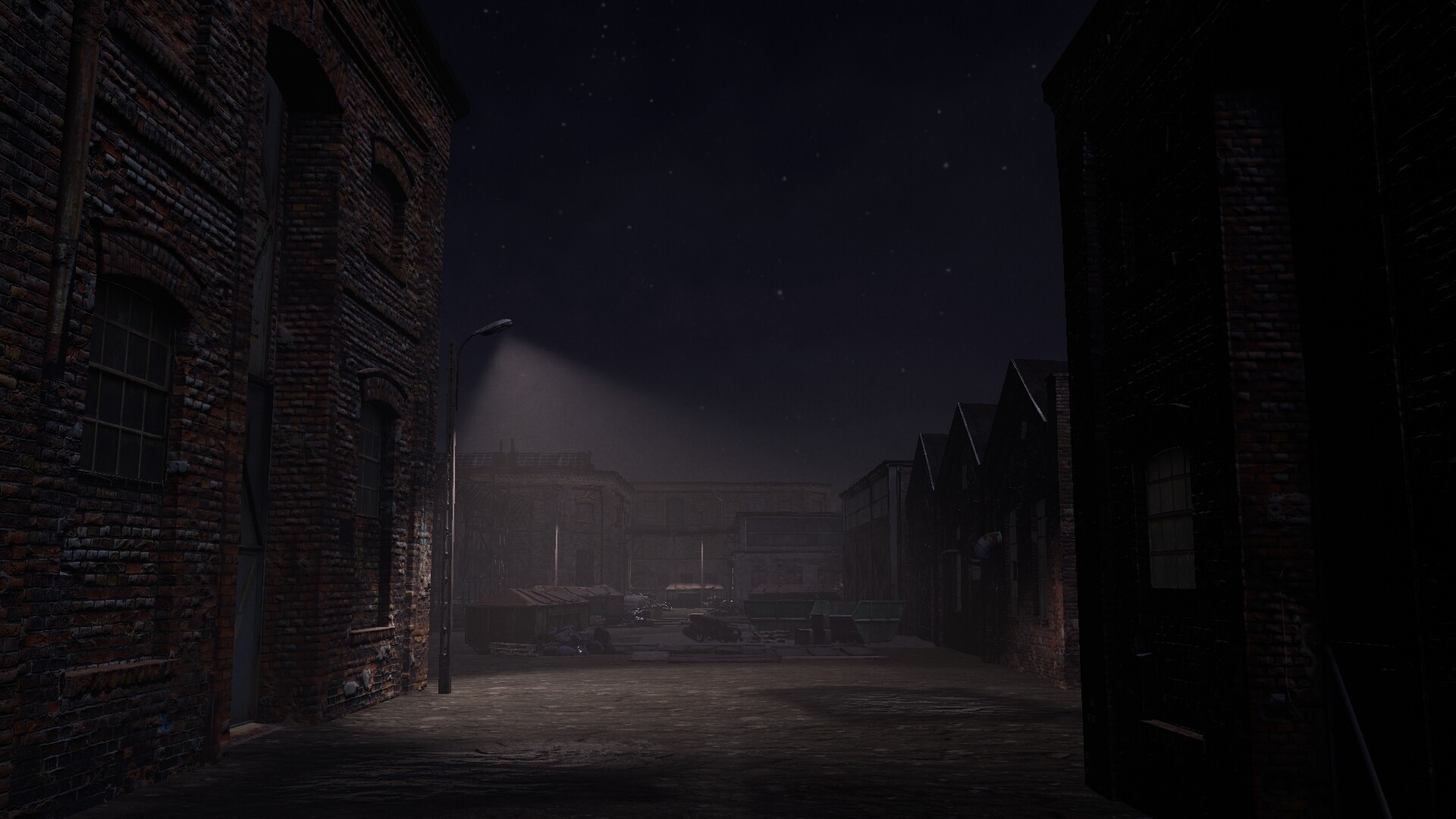
Trace of the Villa centers on Jin, who follows a lead to an off-grid mansion and uncovers manifests, encrypted documents, and signs that his sister may still be alive. The official Steam description emphasizes environmental evidence — furnished rooms frozen mid-use, locked doors, hidden compartments and secured systems that reveal financial trails and falsified identities as you restore power and unlock more of the estate’s secrets.
When and where to find it on Steam
Trace of the Villa released on 28 May, 2026 and is listed on Steam. For readers who want to check the store page directly, use the Steam link below to wishlist or view the store entry.
Who this is for
This is a fit for players who enjoy slow investigation-driven adventures rather than twitch reflexes: people who want to read rooms as if they were crime scenes, follow environmental clues, and assemble a narrative from manifests, transfer records, and fragmented documents. If you appreciated atmospheric mansion settings, methodical puzzle-unlocking, and a story that complicates identity and movement rather than straightforward action beats, this will likely suit you.
Why the mansion setting and forensic approach matter
Abandoned estates serve as dense, layered storytelling devices: every furnished room, powered circuit, and sealed safe functions as potential evidence. Trace of the Villa frames its mystery around erased identities and hidden operations, so the mansion isn’t merely spooky — it’s forensic terrain. That focus rewards players who enjoy cataloguing clues and seeing a timeline emerge from environmental detail rather than spoken exposition.
How you progress: environmental evidence and slow investigation
The Steam description spells out a progression loop built around restoration and discovery. Restoring power and reactivating secured systems reveals hidden compartments and encrypted material; solving puzzles and decrypting fragments produces new leads — manifests and suspicious transfer records — which in turn point toward other rooms or systems to reactivate. Expect a deliberate, layered pace where exploration and puzzle-solving advance the narrative rather than combat or timed sequences (the Steam categories note “Playable without Timed Input” and subtitle options for accessibility).
Player scenarios — will you enjoy this?
Scenario A: You like methodical, atmospheric investigations
If you spent hours cataloguing details in gothic mansions or piecing together journals and logs in narrative puzzle games, the forensic emphasis here — manifests, financial trails, and falsified identities — will reward that patience and curiosity.
Scenario B: You prefer puzzle-led narrative with measured pacing
Trace of the Villa’s progression through restored systems and locked compartments is designed for a slow-burn player who values incremental revelations. The Steam categories suggest accessibility features like custom volume controls and subtitle options that make absorbing the story easier.
Scenario C: You want immediate horror shocks or action-heavy sequences
If your primary appetite is jump scares or constant combat, this title’s emphasis on environmental evidence and forensic reconstruction may feel restrained. The game’s listed genres (Action, Adventure, Indie) and “Playable without Timed Input” category point to a more measured experience than a run-and-gun horror romp.
How it compares to other mystery/adventure titles
| Title | Tone / Setting | Puzzle & Exploration Focus | Pacing / Player Fit |
|---|---|---|---|
| Amnesia: The Dark Descent | Gothic, survival horror | Environmental puzzles with a heavy survival/horror emphasis | High-tension, immersion-driven; best if you want dread and vulnerability |
| SOMA | Sci‑fi underwater, philosophical | Exploration and narrative puzzle elements framed by existential questions | Atmospheric and contemplative; suits players who want story-laden exploration |
| Layers of Fear (2016) | Victorian mansion, psychological horror | Room-based puzzles with shifting environments and strong narrative voice | Psychological, nonlinear; fits players who like unsettling, story-first design |
| The Room | Contained, mechanical mystery | Focused, tactile puzzle boxes and object-based problem solving | Concise puzzle loops; ideal if you prefer tight, object-driven puzzles |
| Rusty Lake Hotel | Surreal, episodic puzzle adventure | Short, curious puzzles with a surreal narrative through rooms and tasks | Quirky and compact; good for players who like bite‑sized, eerie scenarios |
Editorial note: these comparisons focus on tone, puzzle emphasis, exploration style, story tone and pacing to help readers decide fit rather than to rank or endorse.
Trailer / gameplay discovery
Search for trailers or gameplay footage on YouTube (useful if you want to sample pacing and visuals): YouTube search: Trace of the Villa trailer & gameplay. This link performs a discovery search; it does not assert any particular video is an official trailer.
Disclaimer
Referenced titles and trademarks belong to their respective owners. Comparisons are editorial discovery only and do not imply endorsement, affiliation, or sponsorship by the games listed.
Leave a Reply