
Trace of the Villa — an investigation for meticulous players
Trace of the Villa puts you in Jin’s shoes: a long hunt for a missing sister that narrows to a remote, decaying mansion full of manifest fragments and masked paperwork. The game promises slow-burn suspense and clue-driven exploration where environmental storytelling and recovered records do the heavy lifting.

Who this is for
If you keep notes, re-open annotated documents, and treat every scrap of text as a lead, Trace of the Villa is aimed at you. The game is best suited to meticulous players, lore readers, and investigation fans who prefer piecing together a narrative from manifests, encrypted fragments, and the layout of rooms rather than from explicit cinematics. If you enjoy atmospheric mystery adventure and slow-burn suspense, this is the kind of Steam indie title to wishlist.
What the game is
Trace of the Villa is an Action / Adventure / Indie release from Steadyturtle Co., Ltd., released on 28 May, 2026. Its official short description frames the premise plainly: “Jin has spent years searching for his missing sister, pursuing leads that took him to a remote, decaying mansion where he recovered manifests and hints that indicate his sister may still be alive, somewhere at the end of the trail he is about to follow.”

When and where — Steam / PC context
Trace of the Villa is available on Steam as of its 28 May, 2026 release. It lists Steadyturtle Co., Ltd. as both developer and publisher and appears in categories such as Single-player, Color Alternatives, Custom Volume Controls, Playable without Timed Input, Subtitle Options, and Family Sharing—small but useful accessibility and convenience signals for PC players.
Why the mansion matters
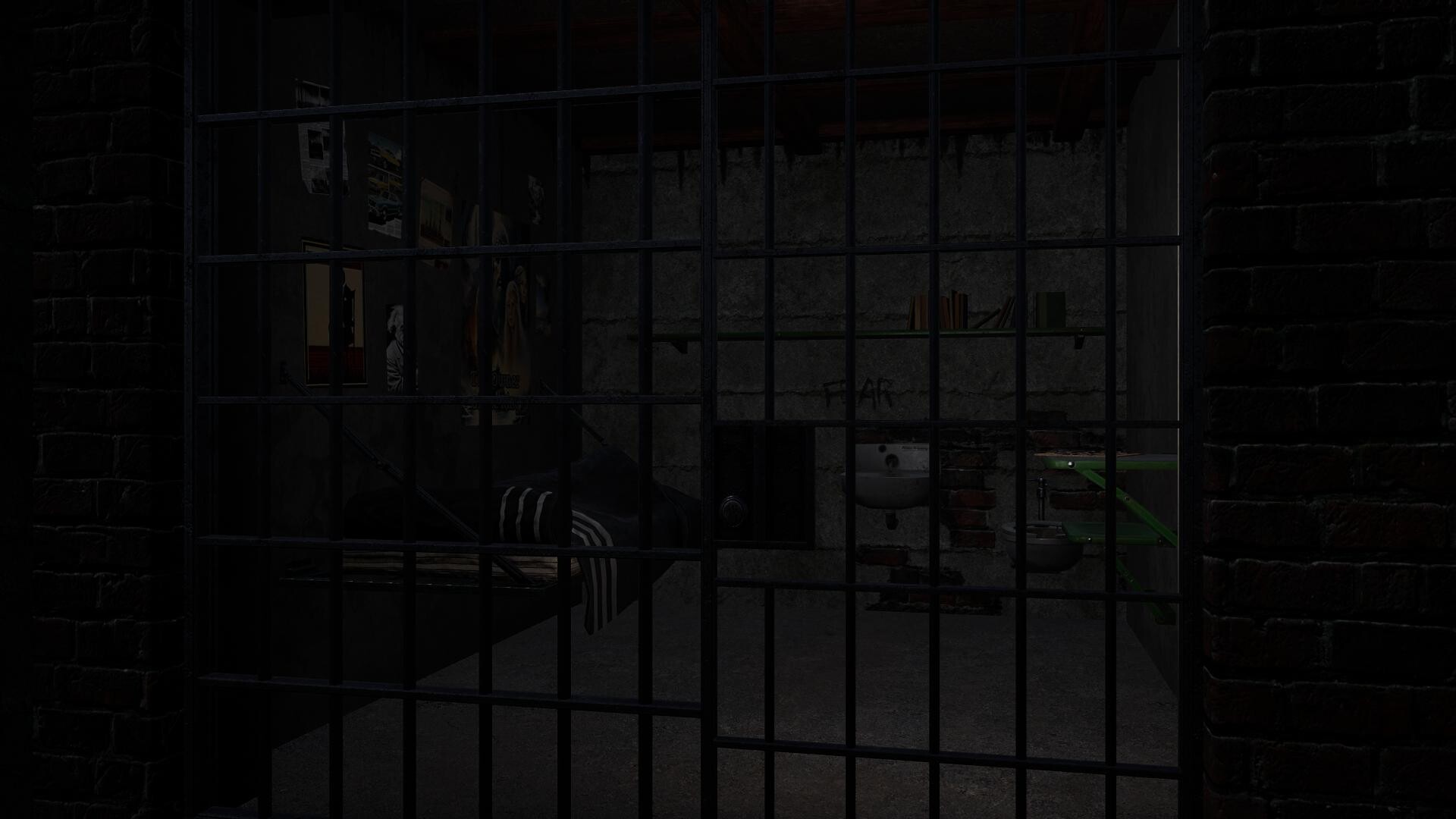
The mansion is presented less as a spooky set piece and more as an erased operation: furnished rooms with identities stripped out, secured systems that can be brought back online, and encrypted documents that reveal financial and logistic traces. Those elements shift the tone toward investigative reconstruction rather than jump-scare spectacle—players aren’t just surviving; they’re rebuilding a timeline from paperwork, registry gaps, and machine logs.
How you progress — reading clues and rebuilding history
Official materials describe Jin restoring power, unlocking systems, and recovering fragments of encrypted documents and suspicious transfer records. Expect gameplay that rewards close reading and methodical examination: restoring systems reveals locked compartments, safes, and digital logs; each solved puzzle or recovered manifest leads to a new strand of inquiry. That design favors players who enjoy cross-referencing notes, backtracking to re-check rooms with new access, and treating discoveries as stepping stones rather than endpoints.
Player scenarios — who will enjoy Trace of the Villa
- The Archivist: You collect every document, annotate each line, and map out cross-references. You’ll be satisfied by manifests, encrypted fragments, and power-restoration mechanics that unlock more evidence.
- The Slow-Burn Detective: You prefer a steady unraveling of secrets over instant answers. The mansion’s atmosphere—rooms “erased” of identity—rewards patience and repeated returns with new tools or logs.
- The Systems Reader: You like games where restoring infrastructure (power, locks, terminals) changes the playable space. Finding that a once-dead system springs to life and reveals a new clue is precisely your cadence.
Compact facts: Trace of the Villa
| Title | Trace of the Villa |
|---|---|
| Steam AppID | 3483660 |
| Developer / Publisher | Steadyturtle Co., Ltd. |
| Release date | 28 May, 2026 |
| Genres | Action, Adventure, Indie |
| Notable categories | Single-player; Playable without Timed Input; Subtitle Options; Color Alternatives; Custom Volume Controls; Family Sharing |
How it compares — quick editorial table
The table below compares Trace of the Villa to nearby narrative/puzzle games on lawful editorial grounds: genre, atmosphere, puzzle focus, exploration style, and overall tone.
| Game | Core appeal | Puzzle / investigation style | Exploration | Tone / pacing |
|---|---|---|---|---|
| Trace of the Villa | Clue-driven mansion investigation (documents, systems) | Environmental puzzles, document analysis, restoring systems | Room-to-room reconstruction; focused interior exploration | Slow-burn suspense, methodical |
| Inscryption | Card-based odyssey mixing deckbuilding and puzzles | Escape-room style puzzles blended into card mechanics | Structured, card-table and vignette-based | Layered, tense, psychological (card-horror) |
| Outer Wilds | Open-world solar system mystery | Puzzle discovery via environmental observation and experiments | Expansive, exploratory (planets & locales) | Contemplative, exploratory |
| The Forgotten City | Narrative-driven time loop investigation | Dialogue and time-loop puzzles that alter outcomes | Structured town/ruin exploration with timeline mechanics | Methodical, story-first |
| The Medium | Dual-realm psychological investigation | Puzzles tied to switching between real and spirit realms | Linear, atmospheric locations | Psychological, moody |
Where to watch / trailer discovery
If you want to see trailer or gameplay clips, search YouTube using this discovery path (search results may include gameplay captured by creators): YouTube: Trace of the Villa trailer & gameplay.
Decide if you should wishlist
Wishlist Trace of the Villa if you prize careful reading, reconstructed timelines, and environmental evidence over loud scares or quick-action set pieces. If you prefer wide-open exploration or mechanics-driven puzzles (e.g., deckbuilding or physics-based experimentation), check the comparison table above to match tastes. For investigation fans who prize interior details, manifests, and the satisfaction of reassembling a buried operation, this release
Leave a Reply