
Trace of the Villa — a premise-first guide for players who want story context without spoilers
Trace of the Villa opens on a simple, urgent premise: Jin has spent years searching for his missing sister and follows a lead to a remote, decaying mansion that may hold the next clue. The game’s slow-burn mystery rewards players who hunger for trace evidence, environmental storytelling, and puzzles that unlock fragments of a deliberately erased past.

The 5W1H: what to know up front
Who is this for?
Players who prefer story-rich adventure with investigative pacing: you like environmental storytelling, clue-driven exploration, and a narrative that unfolds through restored systems, locked rooms, and fragments of documents rather than long expository scenes. If you appreciate atmospheric mansion mysteries that mix exploration with action-adventure touches, Trace of the Villa is aimed at you.
What the game actually is
Trace of the Villa (developer/publisher: Steadyturtle Co., Ltd.) is listed on Steam under Action, Adventure, Indie and includes Single-player and accessibility features such as Color Alternatives and Subtitle Options. Its working narrative centers on Jin’s search for his missing sister — he recovers manifests and hints at a decaying mansion that suggest she may still be alive somewhere down the trail.
When and where
Trace of the Villa released on Steam on 28 May, 2026. It’s a PC/Steam release; you can view the Steam page here: Trace of the Villa on Steam.
Why the theme matters
The core theme is an investigation into absence: rooms look lived-in but identities have been scrubbed, ownership and records are missing, and the estate feels “less abandoned than erased.” That choice — erasure of identity and falsified records — turns the mansion itself into a primary storyteller: solving puzzles and restoring systems yields proof of a larger, concealed operation instead of straightforward answers. For players drawn to stories that reveal motives indirectly, this setup makes each unlocked log or recovered manifest feel meaningful.
How you progress (premise-first, spoiler-free)
Progress is driven by interacting with the estate and restoring its infrastructure. The official description emphasizes restoring power, watching “secured systems come back online,” and opening hidden compartments and safes that return fragments of encrypted documents, transfer records, and manifests. In short: solve environmental puzzles, reactivate systems, and assemble a timeline from the pieces you find. The game positions puzzle-solving as investigative work — each solved puzzle provides a new lead rather than a final answer.
Compact facts — Trace of the Villa
| Title | Trace of the Villa |
|---|---|
| Steam AppID | 3483660 |
| Developer / Publisher | Steadyturtle Co., Ltd. |
| Release Date | 28 May, 2026 |
| Genres | Action, Adventure, Indie |
| Notable Categories | Single-player; Color Alternatives; Custom Volume Controls; Playable without Timed Input; Subtitle Options; Family Sharing |
| Premise | Jin investigates a remote, decaying mansion where manifests and hints suggest his missing sister may still be alive. |
Visuals from the estate

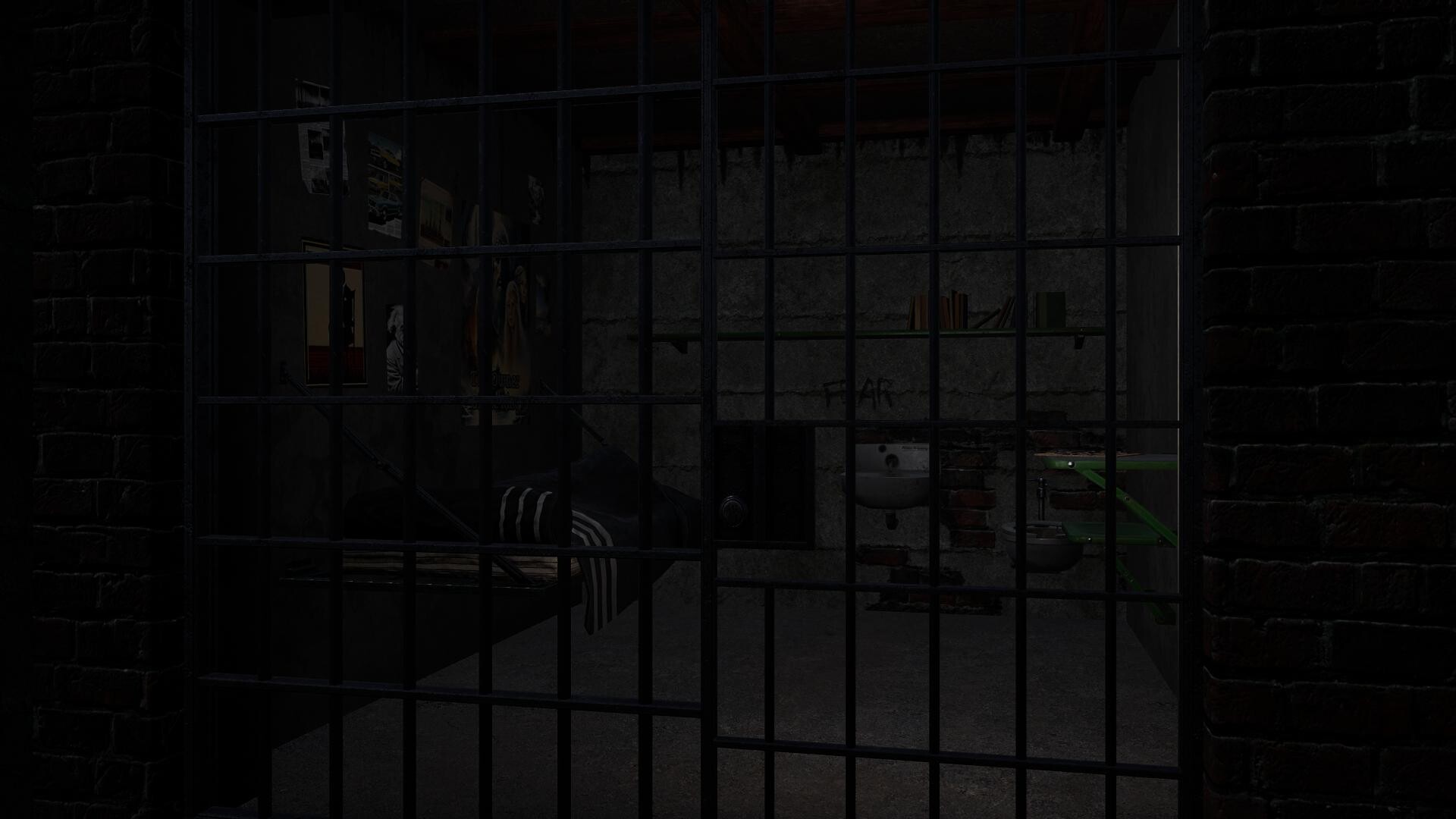
Who should wishlist this
- Players who favor clue-driven exploration over explicit narrative exposition.
- Fans of atmospheric mansion mysteries and environmental storytelling.
- Anyone who enjoys piecing together timelines from documents, manifests, and encrypted fragments recovered during play.
- Players who want accessibility options like subtitles and color alternatives while experiencing investigative pacing.
Player scenarios — pick this if…
- You like investigating empty rooms that feel lived-in: you enjoy finding a single object that reframes a whole wing of the house.
- You value narrative curiosity over jump scares: you’re more interested in what the traces imply than in overt horror beats.
- You want a steady reveal: the game surfaces answers incrementally through restored systems and recovered documents.
- You prefer solo, focused single-player sessions with adjustable controls and subtitle support.
How Trace of the Villa compares — quick editorial table
| Title | Genre / Focus | Atmosphere | Puzzle vs Exploration | Story Tone / Pacing | Good if you like… |
|---|---|---|---|---|---|
| Trace of the Villa | Action / Adventure / Indie — investigative mansion | Slow-burn, erased identities, unsettling domestic spaces | Clue-driven puzzles; reactivating systems reveals new areas | Investigative, methodical reveals | Environmental storytelling, document fragments, piecing timelines |
| Inscryption | Adventure / Indie / Strategy — card-based mystery | Inky, psychological, claustrophobic | Card puzzles + meta-puzzles; less free exploration, more emergent systems | Psychological, genre-bending; surprising structural turns | Players who like puzzle systems that reveal story through mechanics |
| Outer Wilds | Action / Adventure — open-world mystery | Curious, melancholic, expansive | Exploration-first; puzzles arise from planetary mechanics and discovery | Gradual epiphany via exploration; time-loop structure | Explorers who want emergent narrative from world mechanics |
| Journey | Adventure / Indie — contemplative exploration | Minimalist, poetic, emotional | Exploration with light interaction; puzzles are environmental and symbolic | Slow, meditative progression | Players seeking quiet, atmospheric journeys rather than investigative thrill |
| The Forgotten City | Adventure / Indie / RPG — narrative mystery with time mechanics | Historical, moral, investigative | Puzzle and dialogue-driven; player choices shape investigation | Narrative-focused with clever structural device (time/reset mechanics) | Story-first players who like moral puzzles and branching consequences |
| The Medium | Adventure — psychological horror | Haunting, dual-reality, unsettling | Exploration in parallel realms; puzzles use dual perspectives |
Leave a Reply