
Trace of the Villa — why slow-burn tension matters more than cheap shocks
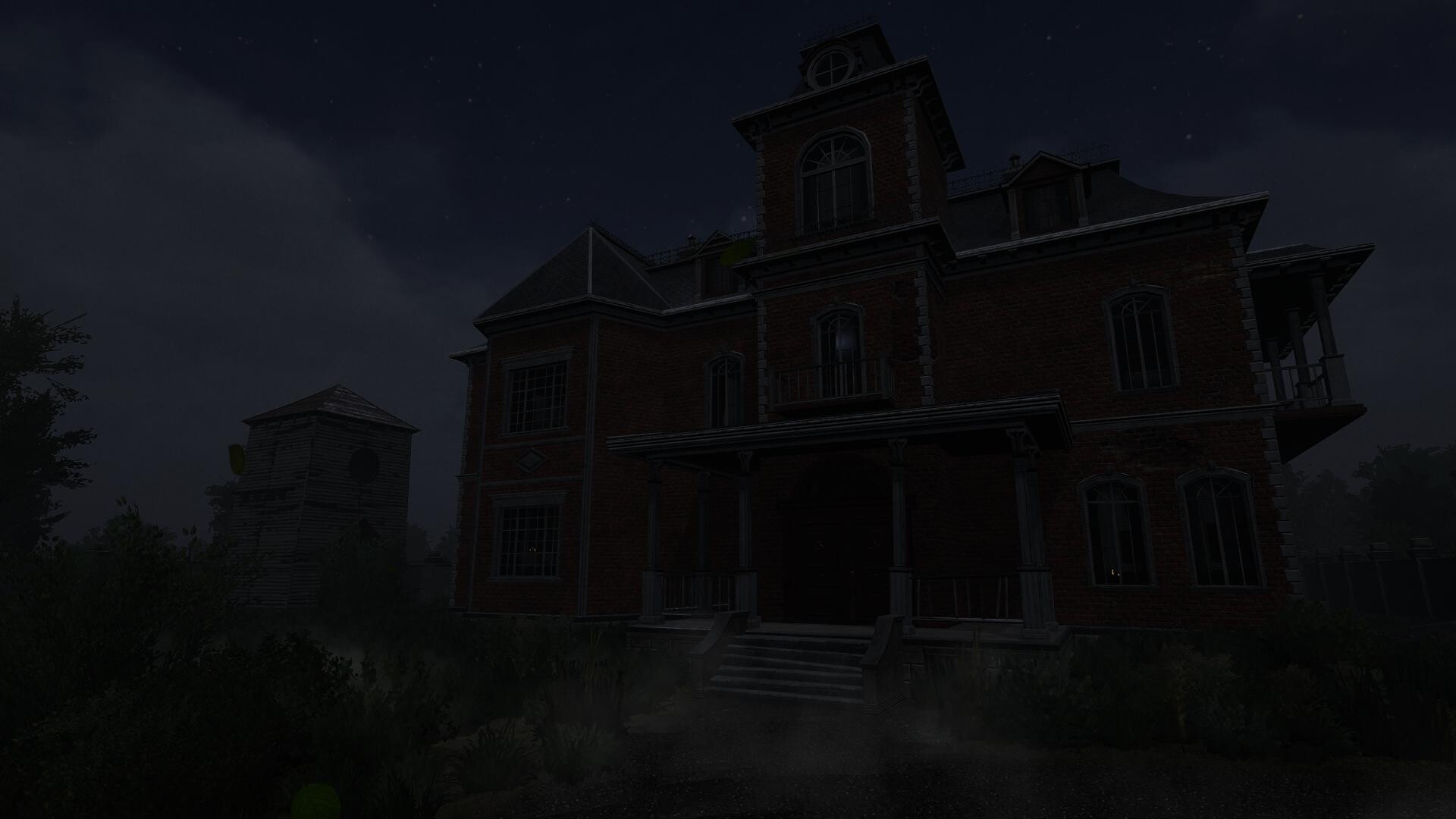
Trace of the Villa (Steadyturtle Co., Ltd.) hangs its horror on absence rather than spectacle: an investigator in a decaying mansion, layered clues, and an atmosphere that rewards patience over reflex. On Steam since 28 May, 2026, the game trades jump scares for creeping uncertainty and a puzzle-driven reveal that asks you to keep looking even when every answer raises another question.

Who this is for
If you prefer atmosphere and investigation to loud surprises, Trace of the Villa is aimed at you. It’s a Steam indie that suits players who enjoy environmental storytelling, methodical clue-gathering, and a narrative puzzle design that unfolds across rooms and systems rather than a checklist of scripted frights. Players who want a steady build of unease — not adrenaline bursts — will get the most from it.
What the game is
Trace of the Villa is an action/adventure indie on PC where Jin searches for his missing sister after a lead brings him to a remote, deliberately forgotten mansion. The Steam listing (developer/publisher: Steadyturtle Co., Ltd.) describes a property that feels “less abandoned than erased,” with furnished rooms, locked doors, and secured systems that, once restored, begin to reveal a larger, concealed operation. Expect exploration-heavy progression, restoration of estate systems, and clue-driven piecing together of a timeline.
When and where
The Steam page shows Trace of the Villa released on 28 May, 2026 and lists standard PC-friendly categories: Single-player, Color Alternatives, Custom Volume Controls, Playable without Timed Input, Subtitle Options, and Family Sharing. You can find it on Steam’s store page for PC.
Why quiet tension and uncertainty matter here
Psychological horror built on uncertainty works by keeping the player’s attention on detail. In Trace of the Villa, silence, missing personal identifiers, and partial systems create a cognitive gap that your brain instinctively tries to close — and that effort produces dread. Quiet tension gives the game more room to make each revealed document, unlocked compartment, or humming terminal feel consequential; rather than startling you once and moving on, the slow-burn approach deepens curiosity and magnifies small discoveries.
How you play and make progress
The game moves through environmental investigation and systems restoration. You restore power and access, open locked areas, decrypt fragments, and follow financial and identity clues that point toward a pattern of arrivals and departures without records. Progress is primarily driven by reading context, solving puzzles that gate new areas or data, and connecting fragments of narrative evidence rather than surviving repeated combat encounters or reacting to scripted jump scares.

Compact facts — Trace of the Villa
| Title | Trace of the Villa |
|---|---|
| Steam appid | 3483660 |
| Developer / Publisher | Steadyturtle Co., Ltd. |
| Release date | 28 May, 2026 |
| Genres | Action, Adventure, Indie |
| Categories | Single-player; Color Alternatives; Custom Volume Controls; Playable without Timed Input; Subtitle Options; Family Sharing |
| Short premise (official) | Jin searches a remote, decaying mansion for clues that his missing sister may still be alive. |
Player scenarios — who should wishlist it (and who should not)
- Wishlist if: you like slower, patient investigation games where the payoff is discovery of layers and atmosphere rather than repeated spikes of fright.
- Wishlist if: you enjoy environmental storytelling, puzzles tied to exploration, and narrative threads revealed through documents, terminals and restored systems.
- Skip or demo first if: you primarily want high-octane scares, combat-heavy sequences, or constant action — Trace of the Villa’s tone is introspective and deliberately paced.
- Good for: solo PC players who value subtleties in audio/visual cues, careful reading of context, and games that reward revisiting spaces with new information.
How it compares — contextual table
| Title | Release | Atmosphere | Puzzle / Exploration focus | Pacing and tone |
|---|---|---|---|---|
| Amnesia: The Dark Descent | 2010 | Claustrophobic, oppressive immersion | Exploration with survival elements, environmental puzzles | Relentless dread, higher intensity than typical slow-burn titles |
| SOMA | 2015 | Existential, unsettling sci‑fi underwater | Story-driven exploration and puzzle moments | Slow-burn philosophical tension with narrative reveals |
| Layers of Fear (2016) | 2016 | Surreal, shifting Victorian mansion | Exploration with architecture-based puzzles and narrative beats | Psychological, hall-of-mirrors pacing that builds disquiet |
| Poppy Playtime | 2021 | Playful-cum-creepy toy-factory horror | Puzzle‑oriented mechanics (GrabPack) and set-pieces | Higher moment-to-moment tension and scripted encounters |
Steam discovery and what to expect on the store page
The Trace of the Villa Steam listing presents the premise, visuals, and system categories that help you decide if the tone and accessibility match your playstyle. The store page emphasizes single-player exploration, subtitle and accessibility options, and a narrative driven by recovered records and restored estate systems.
YouTube discovery
If you want to preview trailers or gameplay clips, search for Trace of the Villa on YouTube (use this query link): YouTube search: Trace of the Villa trailer & gameplay. Note that this is a discovery path; verify any specific video against the Steam page if you’re checking for official trailers.
Final notes
Trace of the Villa is built around patient investigation and an eerie sense of erasure — identity removed, systems brought back online, documents that prod more questions than they answer. If you prize atmosphere, narrative puzzle design, and slow-burn suspense in Steam indie horror, it’s worth putting on your wishlist. If you prefer fast-paced scares, consider sampling footage first.
View Trace of the Villa on Steam
Disclaimer: referenced titles and trademarks belong to their respective owners; comparisons above are
Leave a Reply