
Trace of the Villa — a clue-driven mansion mystery that reveals its story through puzzles
Jin has spent years searching for his missing sister; a lead takes him to a decaying, off‑grid mansion where manifests and encrypted fragments suggest she may still be alive. Trace of the Villa arrives on Steam on 28 May, 2026 from Steadyturtle Co., Ltd., blending environmental storytelling with object logic and document‑based investigation.

Quick facts
| Title | Trace of the Villa |
|---|---|
| Developer / Publisher | Steadyturtle Co., Ltd. |
| Release date | 28 May, 2026 |
| Genres | Action, Adventure, Indie |
| Steam categories / accessibility | Single‑player; Color Alternatives; Custom Volume Controls; Playable without Timed Input; Subtitle Options; Family Sharing |
| Steam page | Trace of the Villa on Steam |
Who this game is for
Trace of the Villa is aimed at players who prefer atmosphere and slow‑burn suspense over constant action: people who enjoy environmental storytelling, close reading of documents, and puzzles whose solutions double as narrative evidence. Accessibility options like subtitles, color alternatives, and an explicit “playable without timed input” tag also make it a good fit for players who want to savour investigation at their own pace.
What the game is (without spoiling plot beats)
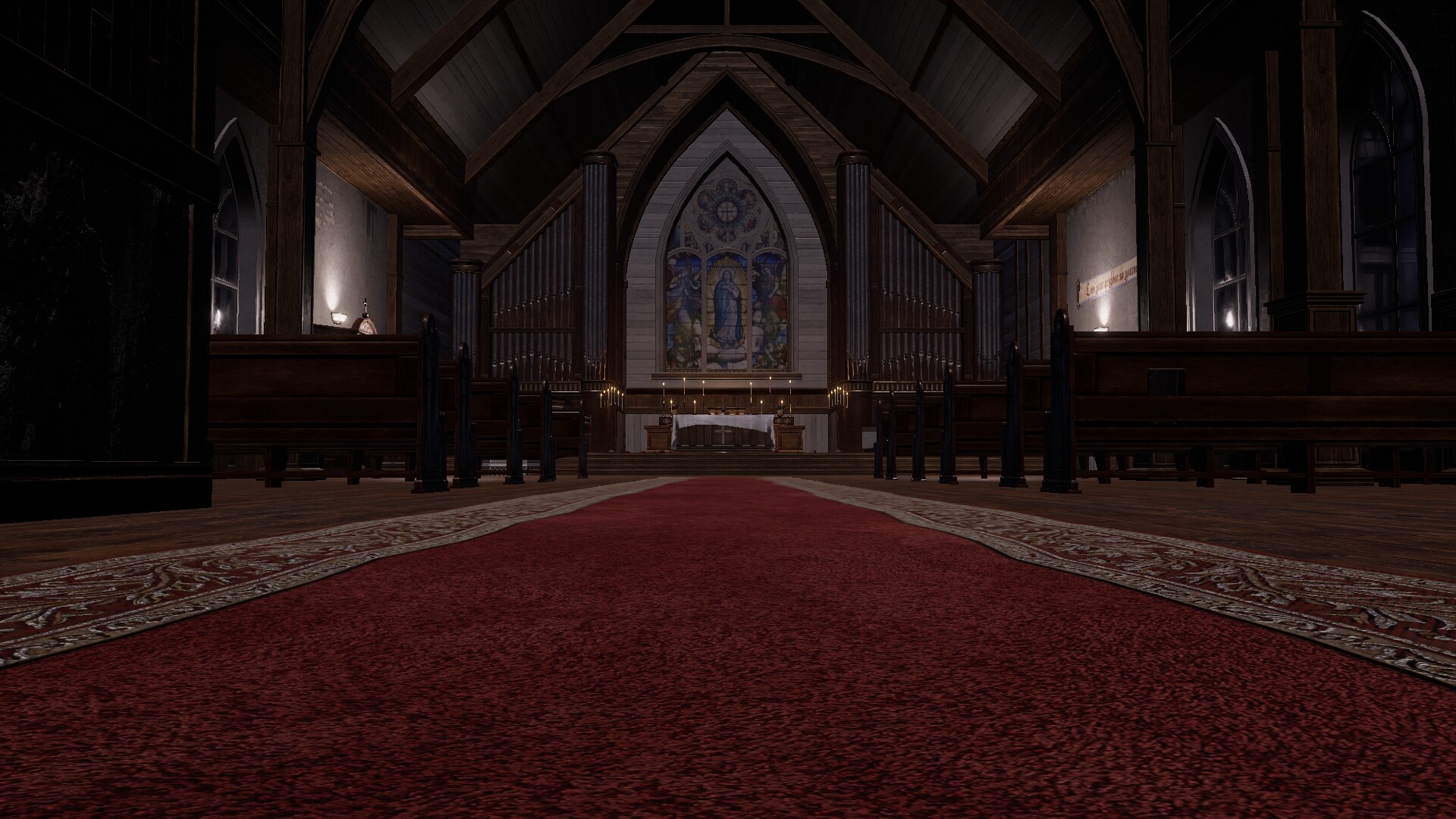
The official premise centers on Jin, a protagonist who follows a cold lead to a remote mansion. Inside, furnished rooms feel like lives were interrupted; locked doors and secured systems hide fragments of encrypted documents, manifests, and suspicious transfer records. As power is restored and safes yield evidence, puzzle solutions reveal layers of a concealed operation: falsified identities, financial trails that lead nowhere, and patterns of arrivals and departures with no records.
When and where — Steam specifics
Trace of the Villa released on Steam on 28 May, 2026. The Steam page lists Steadyturtle Co., Ltd. as both developer and publisher and categorizes the game as Action / Adventure / Indie with single‑player and accessibility options noted on the store page.
Why the theme matters: investigation through objects and documents
Not every mystery needs to shout its secrets. Trace of the Villa uses physical traces — manifests, encrypted fragments, safes and secured systems — to let the player assemble an evidentiary picture. That design choice makes discovery feel earned: a solved cipher or a reopened drawer is proof you can point to, not just an expository cutscene. For players who enjoy reconstructing motives from partial records, this approach turns puzzles into storytelling tools rather than gatekeeping mechanics.

How you progress: clue reading, object logic and story puzzles
Progress in Trace of the Villa is anchored in three interlocking puzzle pillars:
- Clue reading — documents, transfer records and manifests appear as fragments; careful comparison and sequencing of these items provides narrative inferences rather than explicit summaries.
- Object logic — furniture, safes, secured systems and hidden compartments are physical puzzles. Manipulating the environment reveals new evidence and pathways.
- Story puzzles — some solutions unlock encrypted files or reconstructed timelines; the mechanics are designed so that solving a puzzle inherently supplies some of the story’s connective tissue.
That technique keeps story beats discovery‑driven: players learn by doing and by assembling evidence, not by watching a narrator explain. The official description explicitly notes that restoring power brings systems back online and hidden compartments unlock, which frames puzzles as ways to recover narrative artifacts.
Player scenarios — who will enjoy Trace of the Villa
- Play solo over multiple sessions if you appreciate slow, methodical investigation and environmental interpretation.
- Choose Trace of the Villa if you like puzzle outcomes that double as story evidence — each solved cipher or opened safe changes what you can infer about the estate.
- Consider the game if you value accessibility: subtitle options, color alternatives, and lack of mandatory timed inputs let you approach puzzles at your own rhythm.
- Avoid if you want constant action or overt cinematic exposition; the game trades constant spectacle for subtle discovery through objects and records.
How it compares — short editorial table
Below is a compact comparison with nearby puzzle/adventure titles that readers often look up when evaluating a story‑first mystery on PC. This is an editorial framing based on genre, atmosphere and puzzle focus, not a statement of superiority.
| Title | Genre / Key focus | Atmosphere & pacing | Puzzle / exploration style |
|---|---|---|---|
| The Room | Adventure, Indie | Mysterious, tactile; focused single‑room tension | Mechanical safes and tactile puzzles; close inspection of objects |
| The Room Two | Adventure, Indie | Broader locales but similar intimate, methodical pacing | Layered object‑based puzzles that reveal small narrative beats |
| Escape Simulator | Adventure, Casual, Indie, Simulation | Varied; often cooperative, puzzle‑room driven | Interactive rooms, physics, and community rooms; tactile exploration |
| Unpacking | Casual, Indie, Simulation | Zen, domestic pacing; story implied through objects | Block‑fitting and object placement that reveals life stories |
| hack_me | Indie, Simulation | Technical, simulation of hacking tasks | Tool‑based puzzles (commands, SQL, brute force); systems focus |
Deciding whether to wishlist
Wishlist Trace of the Villa if you enjoy:
YouTube discovery
For trailer and gameplay discovery, use YouTube search rather than relying on unverified embeds: Find Trace of the Villa trailer and gameplay searches on YouTube.
Leave a Reply