
Trace of the Villa — a story-first mansion mystery about reading absence
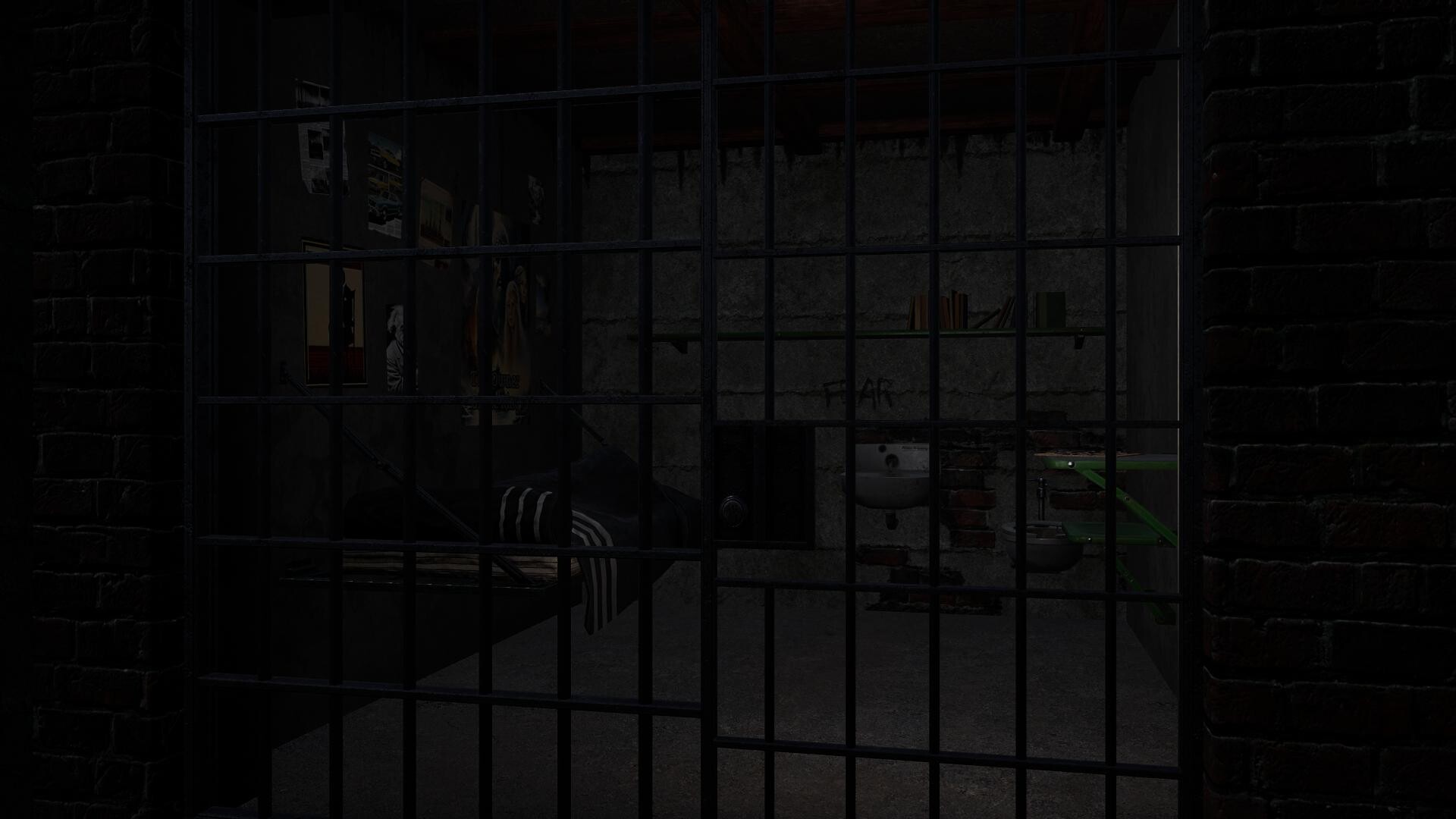
Jin has spent years searching for his missing sister, and Trace of the Villa opens on a decaying, off-the-grid mansion that seems deliberately erased from history—rooms kept as if their occupants vanished mid-routine, locked doors, and systems waiting to be powered back on. The game promises a slow, clue-driven investigation where restoring power, unlocking compartments, and decrypting fragments build a timeline that may point to whether Jin’s sister is still alive.


Quick facts
| Title | Trace of the Villa |
|---|---|
| Release date | 28 May, 2026 |
| Developer / Publisher | Steadyturtle Co., Ltd. |
| Genres | Action, Adventure, Indie |
| Steam categories | Single-player; Color Alternatives; Custom Volume Controls; Playable without Timed Input; Subtitle Options; Family Sharing |
| Official premise | Jin investigates a remote, decaying mansion after leads suggest his missing sister may still be alive; his search uncovers manifests, encrypted documents, and evidence of a concealed operation. |
| Steam review status | No user reviews (as listed on Steam public summary) |
Who is this for?
Trace of the Villa is aimed at players who prize atmosphere and a story-first approach to mystery design: people who prefer environmental storytelling and slow-burn suspense to action spectacle. If you enjoy exploring interiors that feel lived-in and interpretive — piecing together timelines from objects, systems, and half-exposed documents — this is the sort of indie mystery that will fit that taste. The Steam page also lists accessibility-friendly categories (color alternatives, custom volume, subtitles, playable without timed input), which helps players looking for a measured, deliberate experience.
What the game actually is
According to the official Steam description, you play as Jin, searching a remote mansion where identities seem removed and systems are offline. When Jin restores power, secured systems come back online: hidden compartments, safes, and fragments of encrypted documents and suspicious transfer records that reveal a pattern—arrivals without records, falsified identities, and movements masked behind falsified paperwork. The narrative is built around uncovering those layers rather than explicit exposition.
When and where
Trace of the Villa released on Steam on 28 May, 2026 and is listed as a PC/Steam title. The developer and publisher are both Steadyturtle Co., Ltd.
Why the theme matters — the design pull of absence
Mansion mysteries depend less on loud scares and more on the implication of what’s missing. Trace of the Villa leans into that by removing names and photos and leaving functional traces: manifests, transfer records, encrypted documents. That design choice encourages players to treat space as a testimony — the house doesn’t shout, it suggests. For many players, that kind of narrative curiosity — wanting to know who was here, why records were scrubbed, and what the financial paper trail hides — is the core reward.
How you uncover meaning (what the design asks of you)
The official materials emphasize systems that react when restored: power brings locked compartments into play; safes yield fragments that must be read against the estate’s visible state. Progression seems tied to investigative acts (restoring systems, decrypting materials, assembling timelines) rather than combat or timed reflexes. Expect to be drawn forward by document fragments and environmental contradictions: a furnished room without a photograph, a manifest that points to an arrival the records deny. The game’s categories (playable without timed input, subtitles, color alternatives) suggest a paced, contemplative approach to discovery.
Player scenarios — who should wishlist this
- Slow-burn mystery fans: You like to move room to room, following a trail of physical clues and reconstructed timelines rather than jump scares.
- Narrative detectives: You enjoy decrypting fragments, cross-referencing manifests, and letting a plot form from piecemeal evidence.
- Atmosphere-first players: If the mood of a decaying mansion and the suggestion of systemic cover-ups appeal more than direct combat, this aligns with your preferences.
- Accessibility-minded players: The Steam categories indicate options for subtitle support, custom volume, color alternatives, and non-timed inputs — useful if you prefer less reflex-driven pacing.
How it compares — a quick editorial table
| Title | Genre / Tone | Puzzle & story focus | Exploration style | Pacing |
|---|---|---|---|---|
| Trace of the Villa | Action / Adventure / Indie — mansion mystery, investigative | Clue-driven: restores systems, decrypts documents, assembles timelines | Interior, room-by-room environmental reading | Slow, methodical, narrative-first |
| Inscryption | Adventure / Indie / Strategy — dark, card-based | Puzzles embedded in card and meta layers; investigative horror through objects | Hybrid (tabletop card sequences + escape-room elements) | Dense, escalating, and sometimes reflex-light |
| Outer Wilds | Action / Adventure — open-world cosmic mystery | Exploration and environmental clues across a solar system; player-driven hypothesis testing | Open, non-linear, exploratory | Patient, discovery-focused with emergent surprises |
| Journey | Adventure / Indie — contemplative exploration | Narrative conveyed through environment and simple interactions | Expansive, guided exploration of ruins and landscapes | Quiet, evocative, meditative |
| The Forgotten City | Adventure / Indie / RPG — narrative time-loop | Puzzle and story solve political/moral mysteries; heavy on player choices | Open-ended town exploration with time-loop mechanics | Variable—can be slow as you test timelines and consequences |
| The Medium | Adventure — psychological horror with dual-reality exploration | Investigative tone, supernatural narrative, puzzle elements in two realms | Split-reality interior/exterior exploration | Medium-paced, atmospheric, with cognitive puzzle beats |
Decision checklist — will you enjoy Trace of the Villa?
- Do you prioritize reading absence and implication
Steam page
View Trace of the Villa on Steam
YouTube discovery
For trailer and gameplay discovery, use YouTube search rather than relying on unverified embeds: Find Trace of the Villa trailer and gameplay searches on YouTube.
Leave a Reply