
Trace of the Villa: How Puzzle Mechanics Hand You the Evidence Without Spoiling the Mystery
Trace of the Villa outfits a slow-burn mansion mystery with object-driven puzzles and forensic reading — the kind of investigation that rewards close eyes and patient thinking. Released on 28 May, 2026 by Steadyturtle Co., Ltd., it frames Jin’s search for a missing sister inside a decaying estate where manifests, safes and restored systems supply the narrative clues.

Who, What, When, Where, Why, How
Who it’s for
This is for players who enjoy atmospheric mystery adventure on PC: slow-burn suspense, environmental storytelling, and puzzle systems that reveal evidence instead of telling you everything up front. If you prefer reflex-driven action to careful examination, this may not be your ideal fit.
What the game is
Trace of the Villa is an action-adventure/indie mystery on Steam about Jin, a protagonist who has spent years searching for his missing sister. The game places you in a remote, deliberately forgotten mansion where recovered manifests and hints suggest the sister may still be alive somewhere along the trail Jin is following. The estate’s interiors, locked systems and encrypted records are core to the experience.
When and where
Trace of the Villa launched on Steam on 28 May, 2026. It is developed and published by Steadyturtle Co., Ltd. The Steam page lists the game’s genres as Action, Adventure, Indie and includes categories such as Single-player, Color Alternatives, Custom Volume Controls, Playable without Timed Input, Subtitle Options, and Family Sharing.
Why the theme matters
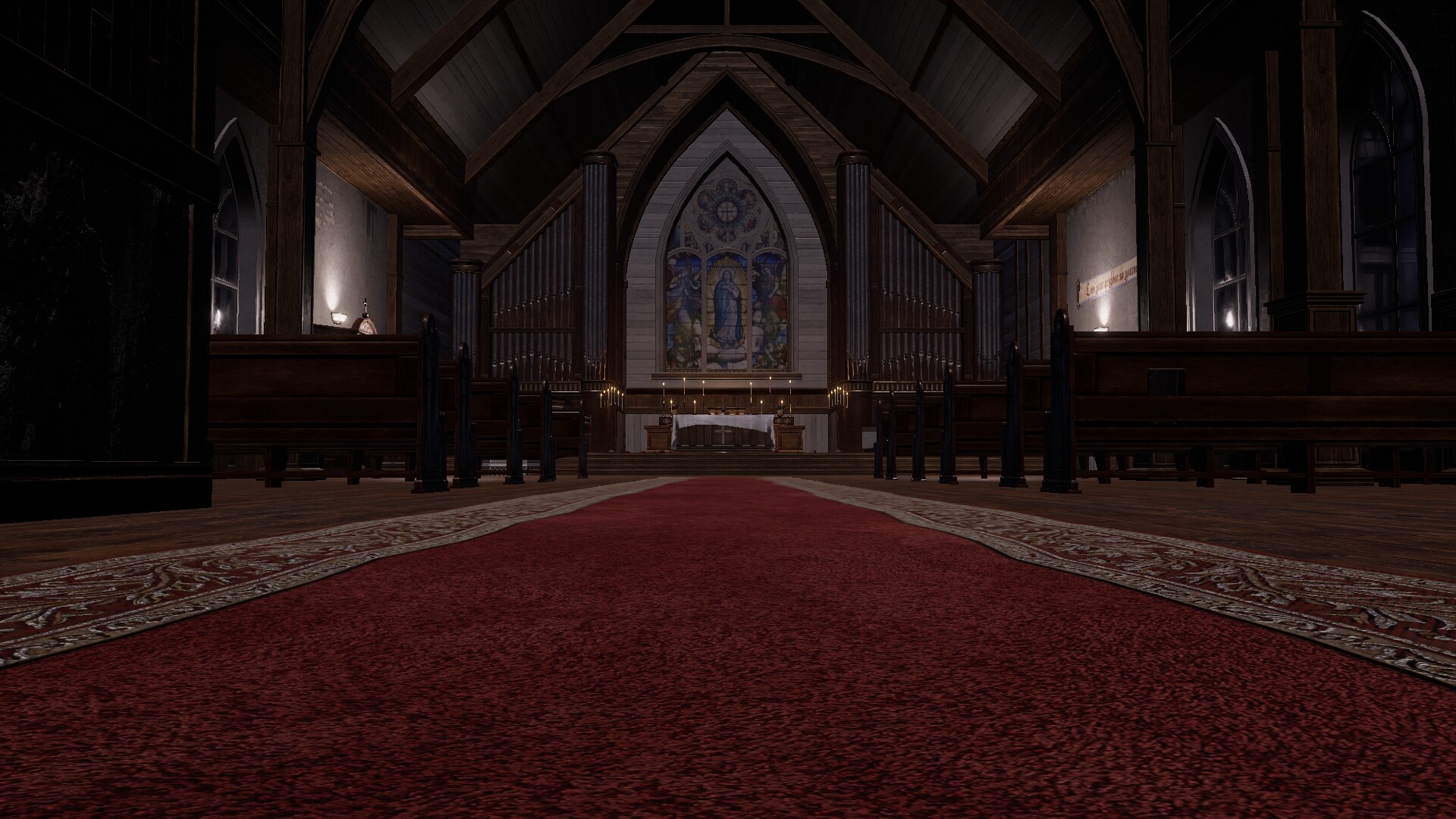
The mansion is written and staged to feel “less abandoned than erased”: rooms set mid-routine, missing names or photographs, and secured systems that come back to life when power is restored. That premise shapes the design philosophy — puzzles exist to reconstruct identity, timeline and motive rather than simply gate progress.
How you read clues and progress
Trace of the Villa foregrounds three complementary puzzle practices that steer story discovery while avoiding major spoilers:
- Clue reading: Manifests, transfer records and fragments of encrypted documents function as forensic evidence. Carefully reading these pieces builds timeline hypotheses about arrivals, departures and falsified identities.
- Object logic: Rooms feel lived-in but intentionally redacted. Physical items, locked safes and hidden compartments are logical extensions of the house’s history — solving an object puzzle often restores a system or reveals a document, so puzzle outcomes feed narrative inference rather than raw exposition.
- Story puzzles: Restoring power and accessing secured systems unlocks new interfaces and sections of the house. The game lets you assemble evidence incrementally: each solved puzzle supplies a fragment that shifts your interpretation without spoiling the full arc of Jin’s search.

Compact facts — Trace of the Villa
| Title | Trace of the Villa |
|---|---|
| Steam appid | 3483660 |
| Release date | 28 May, 2026 |
| Developer / Publisher | Steadyturtle Co., Ltd. |
| Genres | Action, Adventure, Indie |
| Notable categories | Single-player; Color Alternatives; Custom Volume Controls; Playable without Timed Input; Subtitle Options; Family Sharing |
| Store link | Trace of the Villa on Steam |
How the mechanics reveal evidence without spoiling plot
The core design choice is restraint: documents and system logs provide partial, sometimes contradictory data that invite interpretation instead of delivering conclusions. Restoring power and opening safes generally yields context—names, dates, transaction fragments or encrypted lines—that map to hypotheses about the estate’s function. Because clues arrive as artifacts rather than cutscenes, players form their own narrative thread; the game hands evidence but keeps conclusions gated behind further observation and puzzle work.
Comparison — where Trace of the Villa sits among puzzle-driven narrative games
Below is an editorial comparison based on genre, atmosphere, puzzle focus, exploration style and pacing to help readers decide if Trace of the Villa matches their tastes.
| Title | Genre (noted) | Atmosphere / Story Tone | Puzzle focus | Exploration style / Pacing |
|---|---|---|---|---|
| Trace of the Villa | Action, Adventure, Indie | Psychological mansion mystery; erased identities and controlled movements | Document fragments, safes, secured systems; clue-driven evidence assembly | Slow-burn, investigative; puzzles unlock narrative beats and new systems |
| The Room | Adventure, Indie | Mysterious, tactile puzzle-box atmosphere | Mechanical puzzles centered on a single, ornate safe or device | Focused, vignette-style progression; short bursts of concentrated puzzle solving |
| Unpacking | Casual, Indie, Simulation | Zen, domestic, quietly revelatory about life and memory | Spatial and organizational puzzles revealing personal history through objects | Leisurely, vignette-driven; low-stress, scene-by-scene discovery |
| Escape Simulator | Adventure, Casual, Indie, Simulation | Playful to tense, depending on room; emphasis on interactivity | Highly interactive escape-room mechanics, object examination and manipulation | Often quicker, physics-rich puzzles with communal or single-player pacing |
Player scenarios — decide if it fits your wishlist
You should wishlist if…
- You enjoy environmental storytelling where documents and objects are the primary narrator.
- You like slow-burn investigations that reward careful note-taking and pattern recognition.
- You prefer puzzle outcomes that expand narrative possibilities rather than hand you explicit answers immediately.
You might skip if…
- You want fast action or clear-cut linear story beats with minimal investigation.
- You dislike reading in-game documents or assembling timelines from fragmented records.
YouTube discovery
If you want to see how the game looks in motion, search for trailer and gameplay videos:
Leave a Reply