
Trace of the Villa and the Quiet Power of Uncertainty
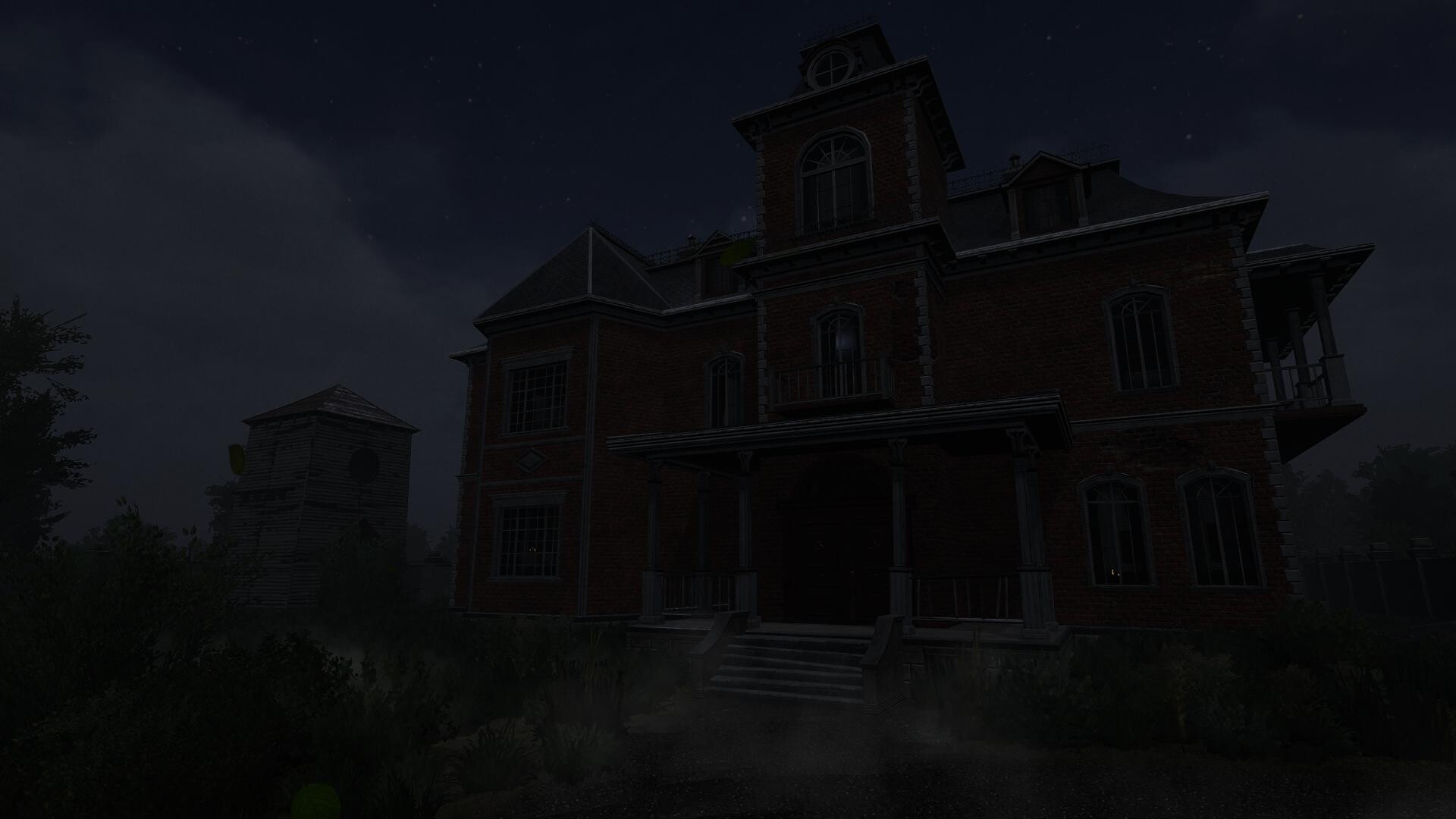
Trace of the Villa places you in a remote, decaying mansion as Jin, a man following faint manifests and hints that his missing sister may still be alive. Released on 28 May, 2026 by Steadyturtle Co., Ltd., the game favors slow-burn suspense, environmental storytelling, and clue-driven exploration over blunt shock tactics.

| Title | Trace of the Villa |
|---|---|
| Steam App ID | 3483660 |
| Developer / Publisher | Steadyturtle Co., Ltd. |
| Release date | 28 May, 2026 |
| Genres | Action, Adventure, Indie |
| Categories | Single-player; Color Alternatives; Custom Volume Controls; Playable without Timed Input; Subtitle Options; Family Sharing |
| Premise | Jin searches a forgotten mansion for signs that his missing sister may still be alive, recovering manifests and encrypted fragments as the house reveals its secrets. |
Who should consider wishlisting this on Steam?
Trace of the Villa is for players who prefer slow-burn psychological investigation to fast-paced attack-and-react horror. If you value atmosphere, puzzles that reward attention to detail, and environmental storytelling that makes the empty rooms feel meaningful, this fits. It’s less about surviving timed threats and more about reading a place — its erased identities, secured systems and hidden records — and letting the unease build.
What the game is — tone and systems
Official materials describe a mansion “cut off from the grid and deliberately forgotten,” with rooms furnished as if occupants vanished mid-routine and personal belongings left undisturbed but stripped of names and photographs. Gameplay emphasis centers on restoring power, unlocking secured systems and finding encrypted documents and manifests that piece together a covert operation. Expect exploration, puzzle-solving, and narrative puzzle design that slowly stitches a timeline together rather than immediate jump-scare beats.
When and where — availability
Trace of the Villa launched on Steam on 28 May, 2026. It is listed under PC/Steam with single-player and accessibility categories such as custom volume controls and subtitle options.
Why quiet dread and uncertainty matter here
Psychological tension relies on what isn’t shown as much as what is. When a house looks lived-in but names and photographs are missing, the mind supplies histories; when power returns and locked compartments yield partial files, players are left to interpolate motive and scale. That gap between evidence and explanation is the game’s currency: uncertainty turns neutral objects into potential threats and mundane logs into clues with moral weight.
How you progress — reading the mansion
Progression is built around investigation: restore power to access systems, open hidden compartments, and decrypt or interpret fragments of documents and transfer records. Each solved puzzle leads to another clue and another locked door, creating a breadcrumb trail that asks you to infer relationships and timelines. The design privileges patient observation over reflexive play—if you like piecing together a narrative from detail and implication, that’s the core loop here.

Comparison: how Trace of the Villa sits next to other slow-burn psychological titles
| Title | Genre / Focus | Atmosphere & Story Tone | Puzzle vs. Exploration | Pacing / Player fit |
|---|---|---|---|---|
| Trace of the Villa | Action / Adventure / Indie — investigative mansion mystery | Subtle, erasure-driven dread; empty rooms that imply an organized concealment | Clue-driven puzzles, restoring systems, decrypting records | Slow-burn; for detail-oriented explorers and narrative puzzle fans |
| Amnesia: The Dark Descent | Action / Adventure / Indie — immersion and survival horror | Claustrophobic, oppressive immersion that emphasizes helplessness | Environmental puzzles blended with survival mechanics | Intense, immersive; players who want direct dread and vulnerability |
| SOMA | Action / Adventure / Indie — sci-fi philosophical horror | Brooding, existential tone set in an isolated, hostile environment | Exploration with narrative puzzles; strong emphasis on story questions | Measured pacing with philosophical beats; suited to players who like science-fiction themes |
| Layers of Fear (2016) | Adventure / Indie — first-person psychological horror | Unsettling, surreal Victorian mansion with a focus on artistic obsession | Linear exploration with reality-warping environmental puzzles | Atmospheric and narrative-driven; players who favor mood over mechanical challenge |
| Poppy Playtime | Action / Adventure / Indie — puzzle-horror in an abandoned factory | Whimsical-corporeal creepiness with animated adversaries | Gadget-based puzzle solving mixed with chase/evade segments | Higher tempo moments; for players who like puzzle tools and intermittent tension |
Player scenarios — who will enjoy this and why
- If you slow-play narrative mysteries: You’ll appreciate environmental clues that accumulate into larger implications about identity and organization.
- If you prefer puzzle-led progression: The game rewards methodical searching and attention to patterns across rooms and documents.
- <
Steam page
View Trace of the Villa on Steam
YouTube discovery
For trailer and gameplay discovery, use YouTube search rather than relying on unverified embeds: Find Trace of the Villa trailer and gameplay searches on YouTube.
Leave a Reply