
Trace of the Villa review — a mansion mystery built on clues, not combat
Trace of the Villa centers on Jin’s long search for his missing sister, drawing players into a decaying mansion full of manifests, locked systems, and small, revealing details. Released on 28 May, 2026 by Steadyturtle Co., Ltd., the Steam listing frames the game as a slow-burning, clue-driven investigation where reading objects and documents carries the weight of progress.

| Fact | Detail |
|---|---|
| Title | Trace of the Villa |
| Release date | 28 May, 2026 |
| Developer / Publisher | Steadyturtle Co., Ltd. |
| Genres | Action, Adventure, Indie |
| Steam categories | Single-player; Color Alternatives; Custom Volume Controls; Playable without Timed Input; Subtitle Options; Family Sharing |
| Steam page | View Trace of the Villa on Steam |
Who should wishlist this
If you prefer slow-burn suspense and environmental storytelling over twitch reflexes, Trace of the Villa is aimed at players who enjoy reading clues and assembling narrative puzzles. The protagonist is a family-driven investigator (Jin), so players who respond to personal-rooted mystery, document analysis, and the logic of objects will likely find the pacing and tone appealing.
What the game is
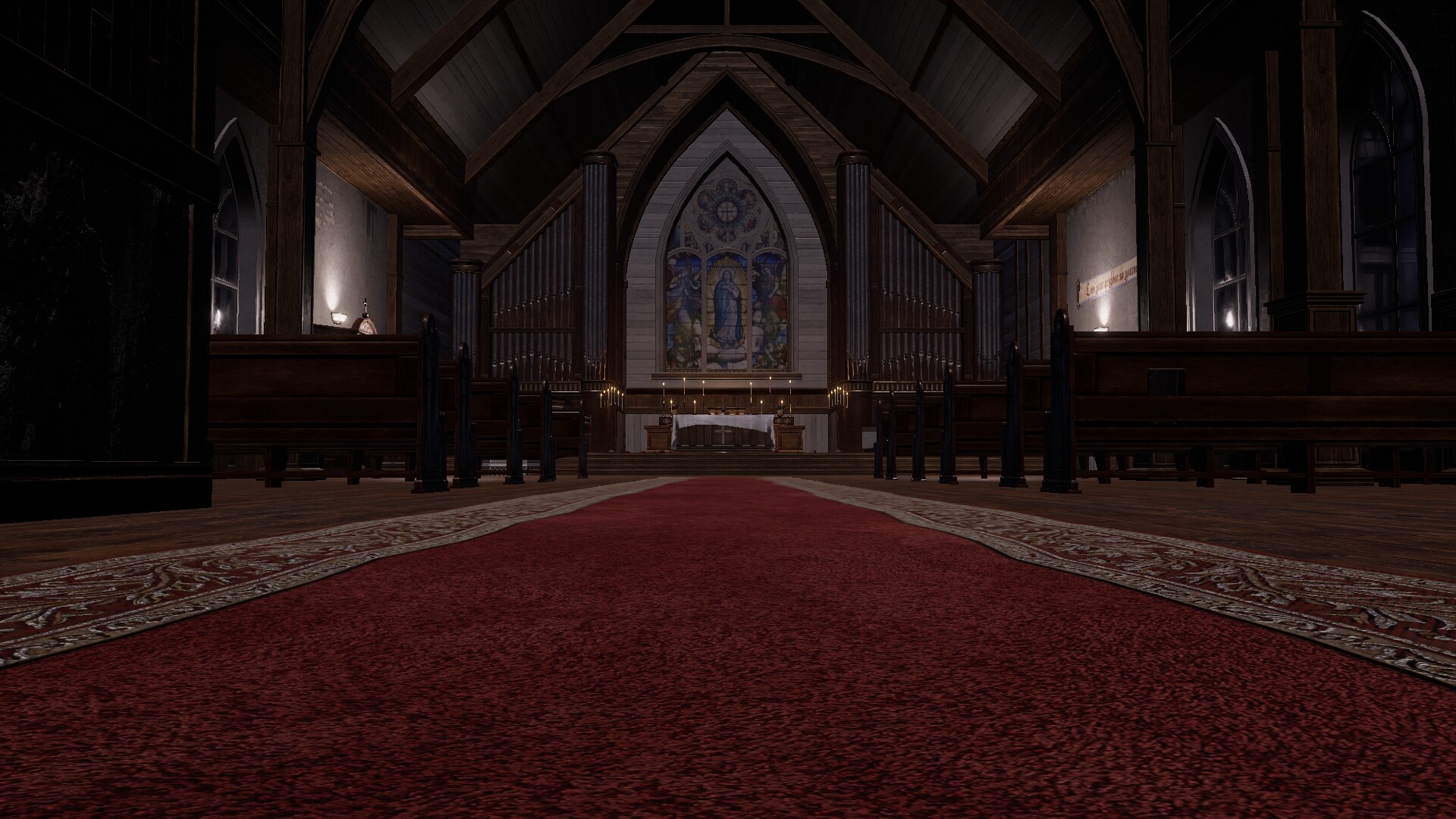
Steam’s official short description sets the premise: “Jin has spent years searching for his missing sister, pursuing leads that took him to a remote, decaying mansion where he recovered manifests and hints that indicate his sister may still be alive.” The longer description makes the emphasis clear: restoring power to the estate, secured systems coming back online, hidden compartments and safes revealing fragments of encrypted documents and suspicious transfer records. Those beats point toward narrative puzzle design built around reading, interpretation, and gradual revelation rather than constant action set-pieces.
When and where
Trace of the Villa released on Steam on 28 May, 2026. The product page lists Steadyturtle Co., Ltd. as both developer and publisher and the title appears in Steam categories typical for single-player, accessibility, and comfort options.
Why the clue-driven approach matters
There are two practical outcomes to the design choices shown on the Steam page. First, puzzles that reward careful reading—manifests, encrypted fragments, suspicious transfers—make narrative inference the core gameplay loop; progression is earned through attention and deduction. Second, presenting a mansion “erased” of names and photographs turns ordinary props into meaning-bearing artifacts. For players who value atmosphere and investigative pacing, that approach turns every drawer and document into a storytelling device.
How you progress — what the Steam description reveals
The official description foregrounds investigative actions: restoring power, unlocking secured systems, and extracting fragments from safes. Those are explicit narrative beats on the Steam page and suggest a play loop where environmental interaction (finding power switches, accessing systems) and clue decoding (manifests, encrypted records) open new areas and context. Expect a puzzle rhythm that alternates scene study with logical deduction rather than combat sequences.
Player scenarios — who will enjoy Trace of the Villa
- Atmospheric puzzle players: You like slow reveals and spend time examining furniture, notes, and devices to reconstruct events.
- Document detectives: You enjoy piecing together timelines from scraps—manifests, transfer records, and partial files.
- Those who avoid timed pressure: The game’s Steam categories include “Playable without Timed Input,” which supports a contemplative, methodical pace.
- Players who want accessibility options: Subtitles, color alternatives, and custom volume controls appear on the store page.
How it compares — quick editorial table
| Title | Core focus (genre/feel) | Puzzle & pacing notes | Release date |
|---|---|---|---|
| Trace of the Villa | Action / Adventure / Indie — mansion mystery, investigative tone | Clue-driven, document and object logic, slow reveal; emphasis on restoring systems and unlocking evidence (per Steam description) | 28 May, 2026 |
| The Room | Adventure / Indie — tactile, puzzle-box atmosphere | Focused, mechanical puzzles that revolve around intricate object manipulation and layered locks | 28 Jul, 2014 |
YouTube discoveryFor trailer and gameplay discovery, use YouTube search rather than relying on unverified embeds: Find Trace of the Villa trailer and gameplay searches on YouTube. Reader decision checklistUse this checklist before deciding whether Trace of the Villa belongs on your Steam wishlist. The game is most relevant if you enjoy reading environmental evidence, following document trails, inspecting rooms for small inconsistencies, and letting a mystery unfold through objects rather than exposition. It is less about instant spectacle and more about the slow pressure of a place that seems to have been deliberately erased. SEO note for discovery-minded playersPlayers searching for atmospheric mystery adventure, clue-driven exploration, mansion mystery game, story-rich indie adventure, psychological investigation game, or narrative puzzle design are likely looking for the same core appeal: a PC game where the setting is not just a backdrop but the main source of evidence. Trace of the Villa fits that search intent because its official Steam premise centers on Jin, his missing sister, a remote mansion, restored systems, hidden compartments, safes, encrypted documents, and a trail of suspicious records. Final player-fit summaryWishlist Trace of the Villa if you want a slow investigation built around official Steam store elements: a 28 May, 2026 release from Steadyturtle Co., Ltd., a single-player PC/Steam mystery structure, official screenshots showing the mansion atmosphere, and a premise that uses the house itself as a puzzle box. The strongest fit is for players who prefer patience, observation, and narrative reconstruction over fast combat or loud horror beats. CommentsMore posts |
Leave a Reply