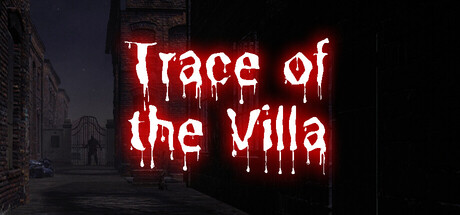
Trace of the Villa — a premise-first narrative guide for story-first players
Trace of the Villa opens with a single, stark premise: Jin has spent years searching for his missing sister and follows a lead to a remote, decaying mansion that may hold the last traces of her life. This two-sentence setup says everything a story-first player needs to know about tone — it’s an atmospheric mystery adventure built around clue-driven exploration and environmental storytelling.

| Title | Trace of the Villa |
|---|---|
| Developer / Publisher | Steadyturtle Co., Ltd. |
| Release date | 28 May, 2026 |
| Genres | Action, Adventure, Indie |
| Key Steam categories | Single-player; Color Alternatives; Custom Volume Controls; Playable without Timed Input; Subtitle Options; Family Sharing |
| Steam app | Trace of the Villa on Steam |
Who it’s for
If you play for story context and atmosphere — slow-burn suspense, a mansion mystery where every room feels like a paused life — Trace of the Villa is pitched at you. The premise centers on Jin’s search for a missing sister, so players who prefer emotional investment, investigative pacing, and environmental storytelling over rapid, arcade-style thrills will find the narrative hook most satisfying. Note the Steam tags: it’s single-player and has accessibility options (subtitles, color alternatives, custom volume), which helps players who want to focus on story and clues.
What the game is (premise and tone)
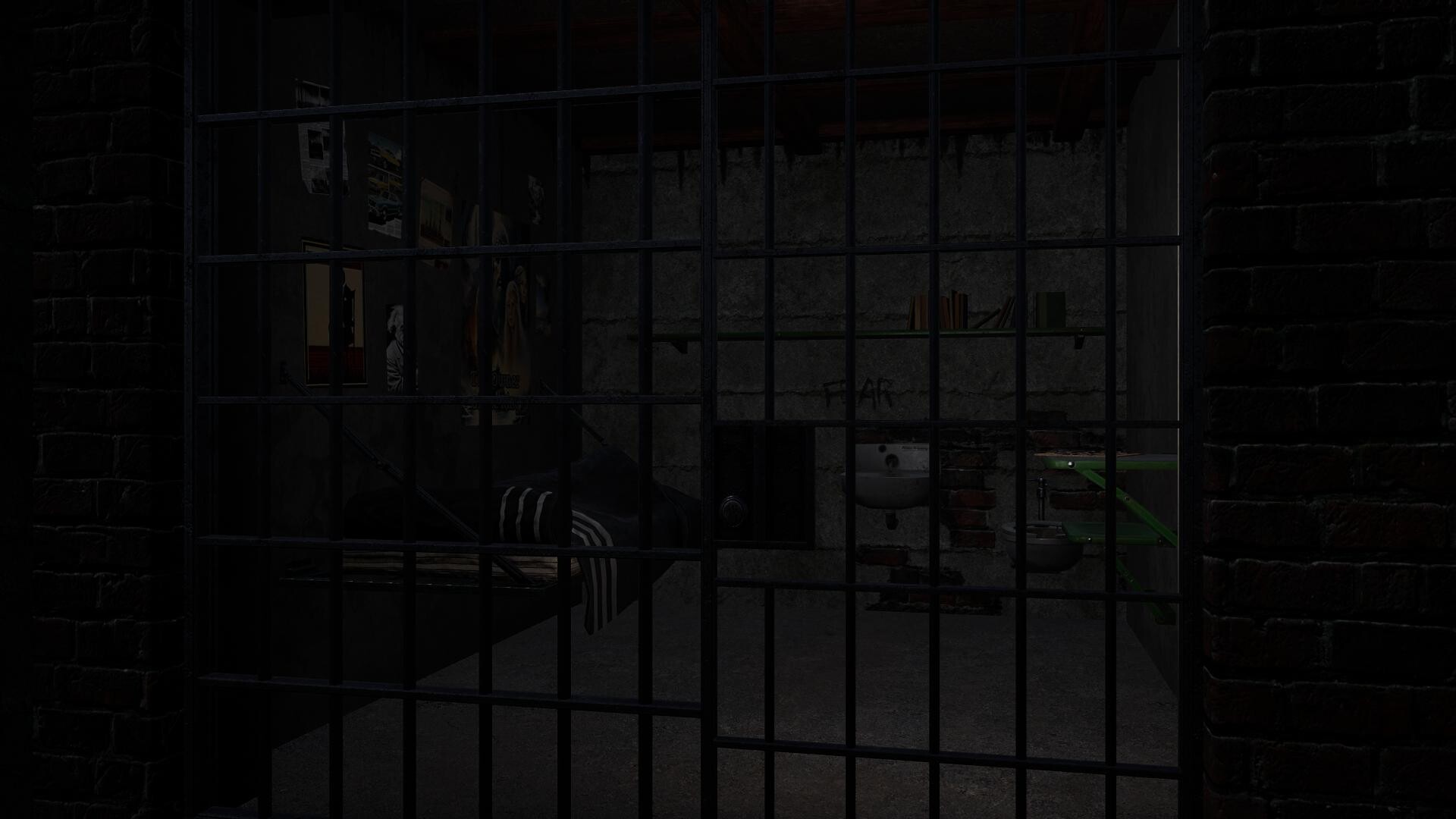
The official short description sets the stage: Jin has spent years searching for his missing sister, pursuing leads that took him to a remote, decaying mansion where he recovered manifests and hints that indicate his sister may still be alive, somewhere at the end of the trail he is about to follow. The fuller Steam description expands that into an investigative, almost forensic exploration: rooms furnished as if occupants vanished mid-routine, locked doors, hidden compartments, and falsified identities. Systems restored in the house bring fragments of encrypted documents and transfer records to light — the story is revealed via tangible artifacts and recovered systems rather than explicit exposition.

When and where (Steam context)
Trace of the Villa released on 28 May, 2026 and is available on Steam. The Steam page lists Steadyturtle Co., Ltd. as both developer and publisher and categorizes the game as Action / Adventure / Indie with single-player and several accessibility categories flagged.
Why the theme matters — what the premise promises
There’s a difference between a spooky house and a story-driven investigation. Trace of the Villa leans toward the latter: the mansion isn’t just atmospheric set-dressing, it’s a repository of erased identities and falsified records. That emphasis—manifests, encrypted documents, transfer records—signals a puzzle loop rooted in piecing together human traces. For players who value narrative curiosity and finding a hidden backstory through physical evidence, the premise promises a methodical unraveling rather than a parade of jump scares.
How you read clues and progress (what to expect)
The Steam description makes clear how progression is framed: restore power to the estate, reactivate secured systems, unlock hidden compartments, open safes, and recover encrypted fragments and manifests. Puzzles come packaged as investigative work — decoding timelines from documents, following financial or transfer trails, and assembling a coherent sequence of events from artifacts the house yields. Because the game is also tagged Action, expect occasional interactive or tense moments, but the core progression appears to revolve around exploration and narrative puzzle design rather than reflex-only challenges.
Comparison: how Trace of the Villa sits next to nearby narrative-puzzle titles
| Title | Shared traits | Key difference / player fit |
|---|---|---|
| Inscryption | Card-driven mystery, puzzle focus, psychological undercurrent. | Inscryption mixes meta-horror and card mechanics; Trace of the Villa is more traditional environmental investigation — pick Trace of the Villa if you prefer artifact-based detective work over card-game mechanics and meta twists. |
| Outer Wilds | Exploration-first storytelling, clues build a broader mystery. | Outer Wilds uses open-world, time-loop discovery; Trace of the Villa centers on a contained mansion and document-based reconstruction — better for players who prefer contained, room-by-room narrative puzzles. |
| Journey | Atmospheric, emotional pacing, minimal explicit exposition. | Journey is largely non-verbal and sculpted around movement and tone; Trace of the Villa is clue-driven and text/artifact heavy — choose Trace of the Villa for investigative storytelling rather than abstract emotional travel. |
| The Forgotten City | Narrative puzzle, timeline and causality-based mystery. | The Forgotten City frames mystery through time-loop mechanics; Trace of the Villa focuses on reconstructing real-world records and hidden operations inside a mansion — better for players who want forensic-style clue assembly over time-manipulation puzzles. |
| The Medium | Psychological, dual-reality atmosphere, investigative elements. | The Medium uses a supernatural medium mechanic to explore trauma; Trace of the Villa promises grounded investigative discovery via documents and systems — a fit for players whoYouTube discoveryFor trailer and gameplay discovery, use YouTube search rather than relying on unverified embeds: Find Trace of the Villa trailer and gameplay searches on YouTube. CommentsMore posts |
Leave a Reply