
Trace of the Villa — Why Environmental Dread Matters More Than Jump Scares
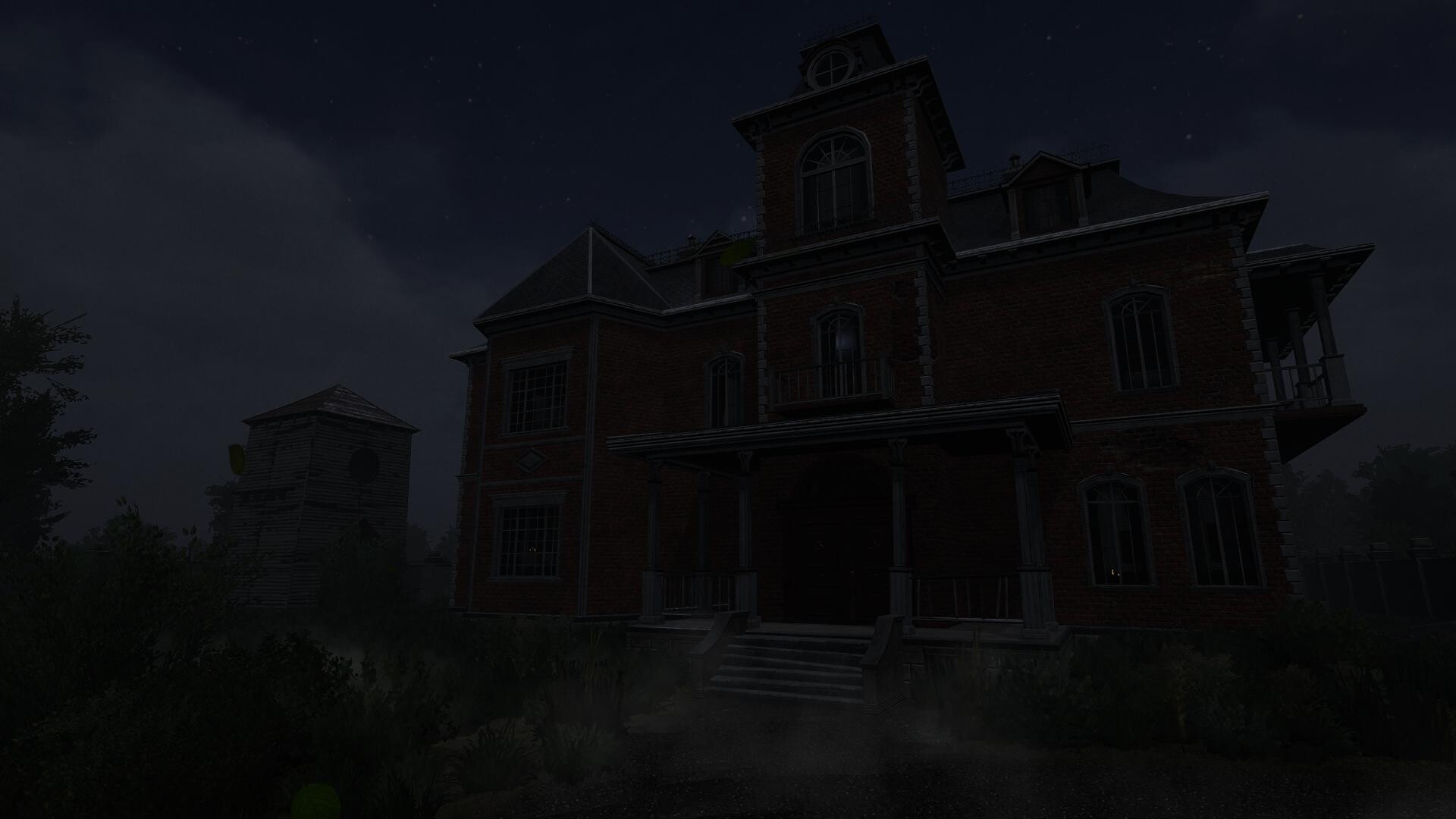
Trace of the Villa plants you in a decaying mansion where Jin follows faint manifests and suppressed systems to learn whether his missing sister might still be alive. The game leans on emptiness, locked doors and recovered records to turn silence and unsettling room design into slow-burn suspense rather than a parade of shocks.

What Trace of the Villa is
Trace of the Villa is a Steam indie title billed as an atmospheric mystery adventure and psychological investigation. Its official short description: “Jin has spent years searching for his missing sister, pursuing leads that took him to a remote, decaying mansion where he recovered manifests and hints that indicate his sister may still be alive, somewhere at the end of the trail he is about to follow.” The official plain description expands on that premise: inside the mansion, rooms look as if occupants vanished mid-routine, identities appear erased, and restoring power reveals locked systems, hidden compartments and encrypted documents tied to a larger, covert operation.
Who this is for
- Players who prefer environmental storytelling and clue-driven exploration over constant combat or cheap shocks.
- Fans of story-rich adventures and narrative puzzle design that reward patience and attention to detail.
- Anyone drawn to mansion mystery settings where tension is manufactured through silence, furnishings, and the slow reveal of forensic documents.
When and where
Trace of the Villa released on Steam on 28 May, 2026. It is developed and published by Steadyturtle Co., Ltd. and appears on Steam with PC-focused categories and accessibility options. See the Steam page for system specifics and store details.
Why quiet tension and uncertainty matter
Environmental dread changes how you read every room. When a game removes obvious signposts—photos, names, normal records—the player must supply the narrative glue by interpreting small artifacts: a folded manifest, a power switch left half-on, an unlabelled safe. That absence of explicit answers forces your imagination to fill gaps; uncertainty becomes the engine of fear. In Trace of the Villa, the mansion’s “erased” quality and the act of restoring power transform routine exploration into a psychological exercise: the house doesn’t merely hide monsters, it hides meaning.
How you progress
Progress in Trace of the Villa is presented as investigative, puzzle-driven exploration tied to environmental clues. Official materials describe these mechanics: restoring power to the estate brings systems back online, hidden compartments unlock, and safes yield fragments of encrypted documents and suspicious transfer records. Players solve puzzles and piece together financial trails, falsified identities and movement patterns to reconstruct what the mansion was used for and where the trail might lead.
Compact facts — Trace of the Villa
| Title | Trace of the Villa |
|---|---|
| Steam AppID | 3483660 |
| Release Date | 28 May, 2026 |
| Developer | Steadyturtle Co., Ltd. |
| Publisher | Steadyturtle Co., Ltd. |
| Genres | Action, Adventure, Indie |
| Categories | Single-player; Color Alternatives; Custom Volume Controls; Playable without Timed Input; Subtitle Options; Family Sharing |
Who should wishlist it — specific player scenarios
- Investigator playstyle: you enjoy gathering fragmented evidence, cross-referencing manifests and watching systems react to your choices.
- Slow-burn suspense fans: you prefer tension that grows from a quiet room and an unanswered question rather than a frequent jump.
- Environmental design readers: you want spaces that narrate through props, furniture placement, and deliberate omissions—where what’s missing matters as much as what’s present.
- Puzzle explorers: you appreciate puzzles that unlock narrative documents and change how you perceive a location mid-play.
How Trace of the Villa compares to nearby titles
Below is a concise editorial comparison focused on atmosphere, puzzle/exploration emphasis and player fit without claiming superiority.
| Game | Primary Genre | Atmosphere & Tone | Exploration / Puzzle Focus | Pacing | Player Fit |
|---|---|---|---|---|---|
| Trace of the Villa | Action / Adventure / Indie | Mansion mystery, erased identities, environmental dread | Clue-driven exploration; restoring systems and unlocking documents | Slow-burn, investigative | Players who prize environmental storytelling and narrative puzzle design |
| Amnesia: The Dark Descent | Action / Adventure / Indie | Immersive, gothic horror focused on helplessness | Exploration with physics puzzles and sanity mechanics | Relentless tension with escalating threats | Players who want immersion and survival-horror tension |
| SOMA | Action / Adventure / Indie | Sci-fi existential dread in an underwater setting | Exploration and narrative puzzles that question identity | Measured, contemplative with claustrophobic beats | Players interested in philosophical horror and atmosphere |
| Layers of Fear (2016) | Adventure / Indie | Psychological, surreal Victorian mansion | Environment-focused puzzles with shifting architecture | Psychological tempo that warps around the player | Players who enjoy unreliable space and narrative art-horror |
| Poppy Playtime | Action / Adventure / Indie | Abandoned factory, toy-based horror | Puzzle tools (GrabPack) and set-piece encounters | Chapter-based with episodic peaks | Players who like puzzle tools and set-piece tension |
YouTube discovery
If you want to see trailers or gameplay videos, search results for Trace of the Villa can be found here: Trace
Leave a Reply