
Trace of the Villa — how locked-room logic and clue chains drive a slow-burn mansion mystery
Trace of the Villa situates players inside a deliberately forgotten, decaying mansion where every restored circuit and opened compartment reveals another fragment of a concealed operation. The game frames investigation as chained puzzles and environmental reading: restore power, follow manifests and transfer records, and let object clues point a methodical path toward an uncertain truth.

Quick facts
| Title | Trace of the Villa |
|---|---|
| Developer / Publisher | Steadyturtle Co., Ltd. |
| Release date | 28 May, 2026 |
| Genres | Action, Adventure, Indie |
| Steam categories | Single-player; Color Alternatives; Custom Volume Controls; Playable without Timed Input; Subtitle Options; Family Sharing |
| Steam appid / Store | 3483660 — Trace of the Villa on Steam |
Who this is for
If you prefer investigative pacing over twitch reflexes, Trace of the Villa targets players who enjoy environmental storytelling and layered, interlocking puzzles. Fans of atmospheric mystery adventure and PC mystery games who like to read a room — literally — and let objects, manifests, and restored systems form the logic of progress will find the game’s locked-room thinking familiar and rewarding. The Steam categories emphasize accessibility (subtitles, playable without timed input) and single-player focus, which should appeal to solo explorers who want a contemplative, clue-driven experience.
What the game is
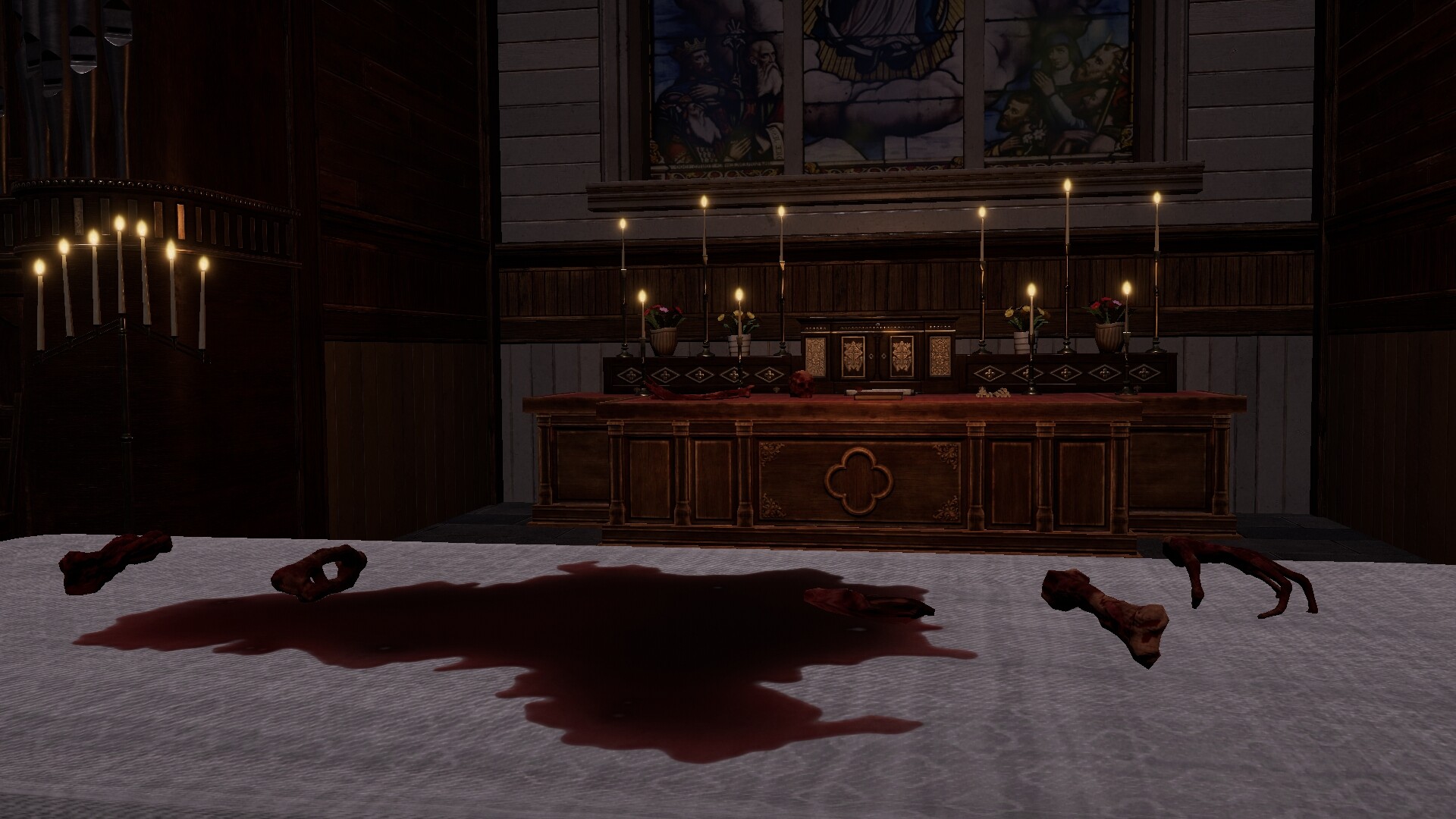
Officially described on Steam, Trace of the Villa follows Jin, who has been searching for his missing sister. A lead takes him to an isolated mansion where rooms feel “less abandoned than erased.” Restoring power and unlocking secured systems yields encrypted documents, suspicious transfer records, and hints that point along a constrained trail. The game blends narrative puzzle design with object-focused investigation: keys, safes, manifests and system outages are not just obstacles but evidence to be read in sequence.

When and where
Trace of the Villa launched on Steam on 28 May, 2026. The game is presented as a Steam single-player title with accessibility options such as subtitles and controls suitable for players who prefer non-timed puzzle solving.
Why the theme matters — locked-room thinking in narrative puzzles
Locked-room logic privileges constraint: when a space is bounded and information is scarce, each object becomes a potential clue. Trace of the Villa uses that constraint narratively — rooms that look like they were “erased” and systems that only reveal themselves as you restore power — to turn every solved puzzle into context. The appeal is cumulative: a discovered document doesn’t merely open a door, it reframes the prior puzzles and raises a new question. That kind of puzzle-chain momentum keeps investigation coherent and rewards careful environmental reading.
How you progress — reading objects, restoring systems, following chains
The Steam description makes clear that progression involves restoring power, unlocking secured systems, and piecing together documents and transfer records. Expect a play loop where you: examine furnished rooms for odd absences (no photos or names), find access points to re-energize sections of the mansion, retrieve fragments from safes and encrypted files, then map those fragments into a timeline. The narrative and puzzle design aim to keep pacing measured — each solved lock tends to open a new chain of inference rather than a single binary gate.
Player scenarios — which sessions suit the game
- Solo evening investigation: Play through a 2–4 hour focused session where you can stop and trace documents, annotate clues, and follow chain logic without timed pressure.
- Notebook investigative play: Players who like to keep notes, sketch room layouts, or record manifest fragments will benefit from the game’s evidence-driven progression.
- Accessible pacing: If you prefer games without forced reflex checks, Trace of the Villa’s Steam categories note options like “Playable without Timed Input” and subtitle support, making it friendly to slower, methodical playstyles.
How it compares — compact editorial table
| Title | Core puzzle focus | Atmosphere / Tone | Playstyle |
|---|---|---|---|
| Trace of the Villa | Environmental clues, restored systems, document fragments | Slow-burn mansion mystery; erased identities | Single-player, methodical investigation |
| The Room | Mechanical safes and tactile puzzle boxes | Claustrophobic, curiosity-driven mystery | Single-player, object-focused puzzle solving (adventure/indie) |
| The Room Two | Layered mechanical puzzles in interconnected locations | Cryptic and atmospheric exploration | Single-player, puzzle-adventure progression |
| Escape Simulator | Highly interactive rooms and community-made escapes | Playful to tense depending on room | Single-player or co-op; physics and item interaction emphasis |
| Hi-Fi RUSH | Action and rhythm-based combat (not puzzle-centric) | High-energy, stylized | Action-focused single-player |
| Football Manager 2022 | Simulation and management systems (non-puzzle) | Strategic, data-driven | Long-form simulation play |
Use this comparison to place Trace of the Villa: if you lean toward The Room-style object puzzles and The Room Two’s layered reveals, but prefer the slower, investigative pacing of environmental narrative and document chains, Trace of the Villa is aligned with that taste. If you want more physical interactivity or co-op, Escape Simulator is the closer match; if you want action or management, Hi‑Fi RUSH and Football Manager 2022 sit in different gameplay lanes.
YouTube discovery
For trailers and gameplay clips, search YouTube: Trace of the Villa trailer & gameplay on YouTube. This link is a search path for discovery; it does not imply any specific official video beyond Steam’s store assets.
Final take — who should wishlist
Wishlist Trace of the Villa on Steam if you enjoy story-rich adventure that privileges locked-room thinking, clue chains, and environmental reading over reflex-based challenges. The setting — an isolated mansion with restored systems revealing falsified records and erased identities — promises a puzzle-chain momentum that rewards patience, note-taking, and close observation. The Steam categories and accessibility options make it suitable for players who want a single-player, non-timed, subtitle-friendly mystery experience.
Referenced titles and trademarks belong to their respective owners. Comparisons are editorial discovery only.
Leave a Reply